



Product Overview
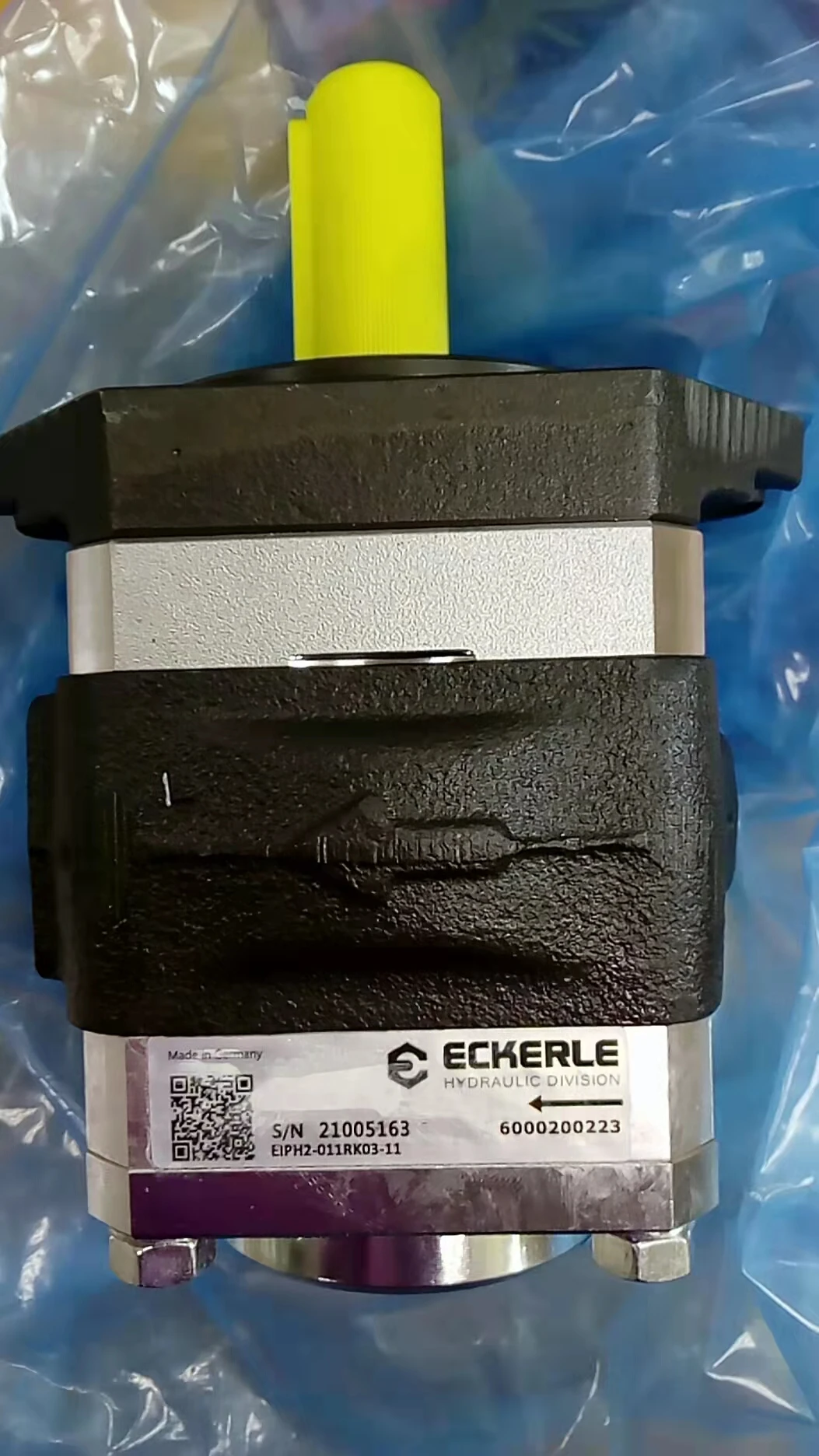
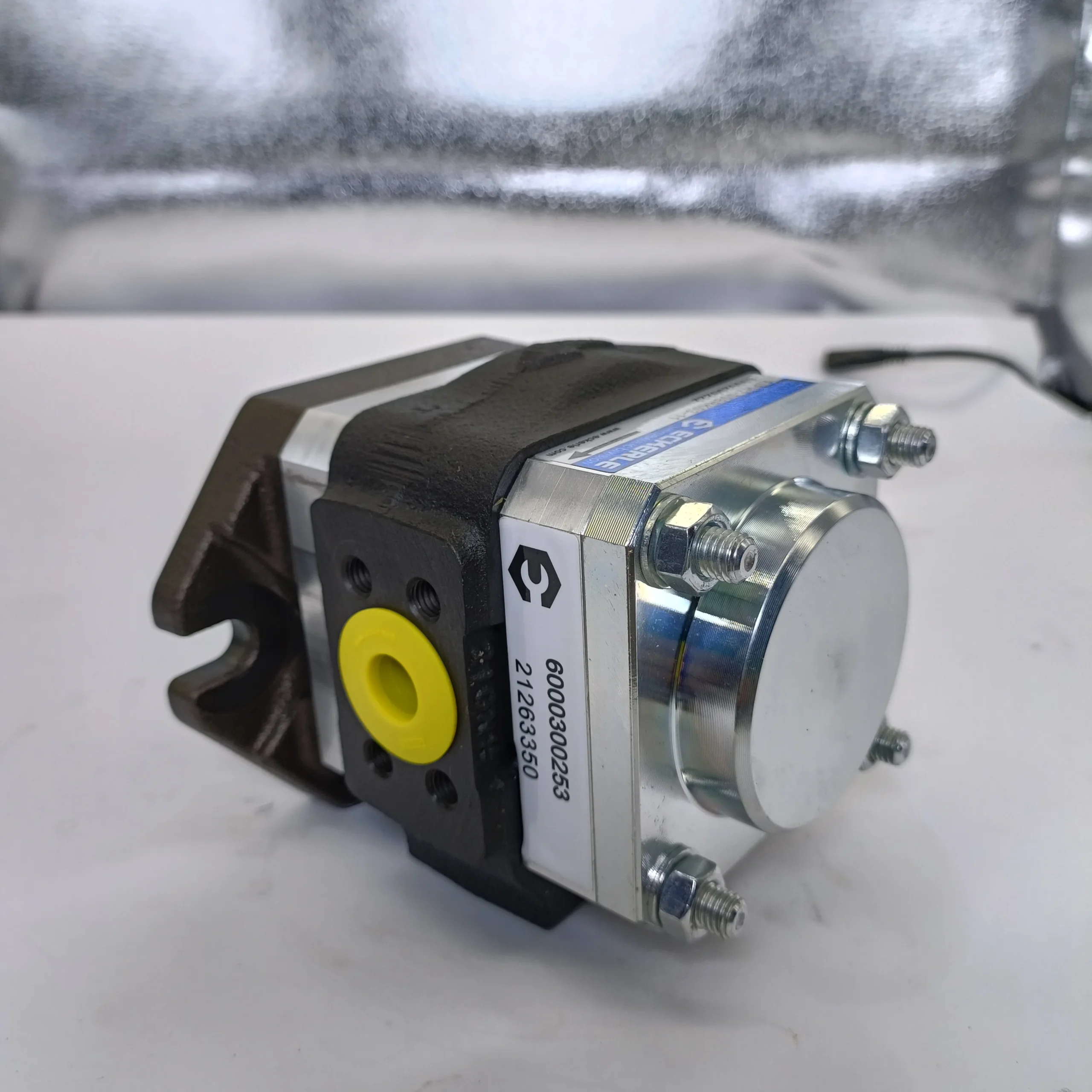
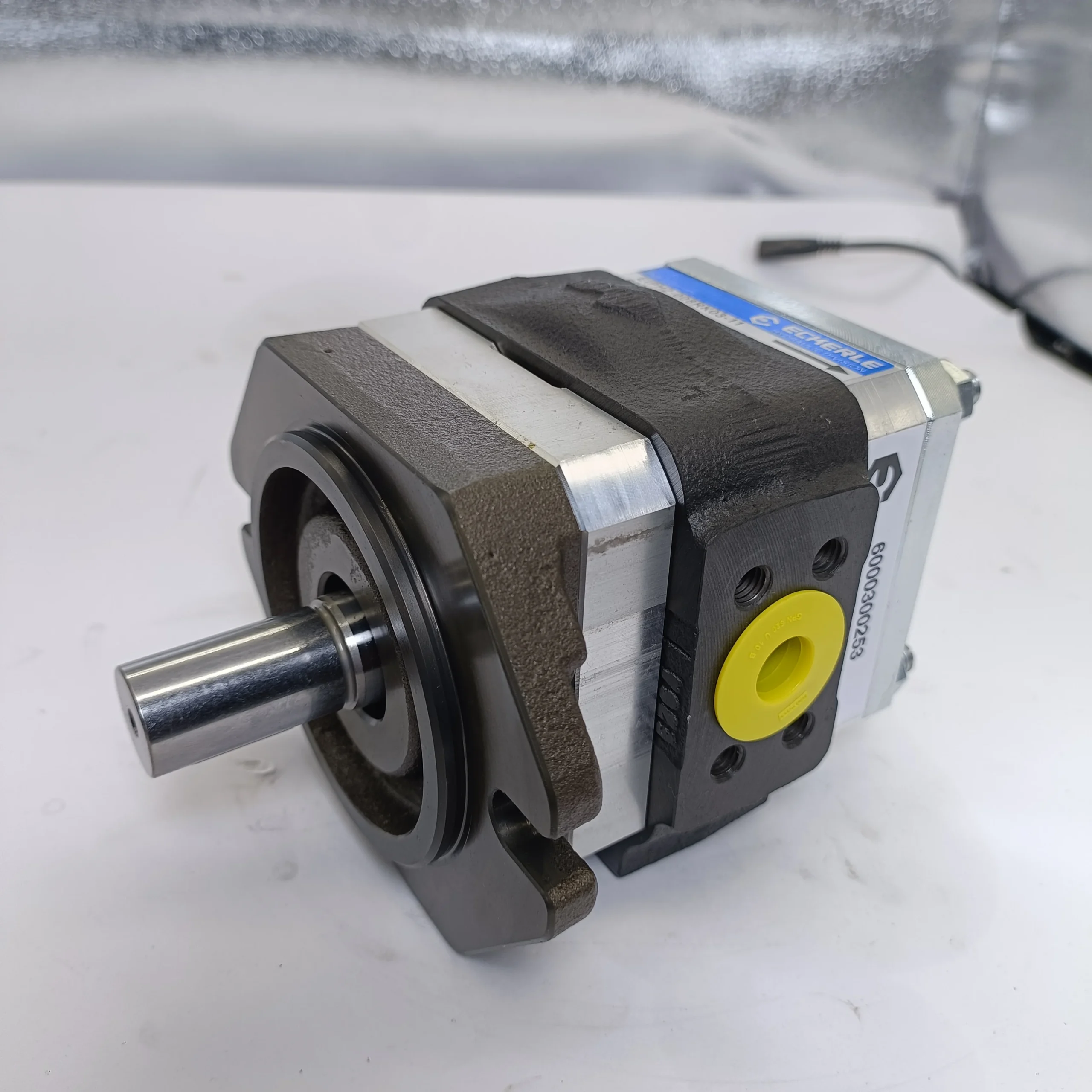
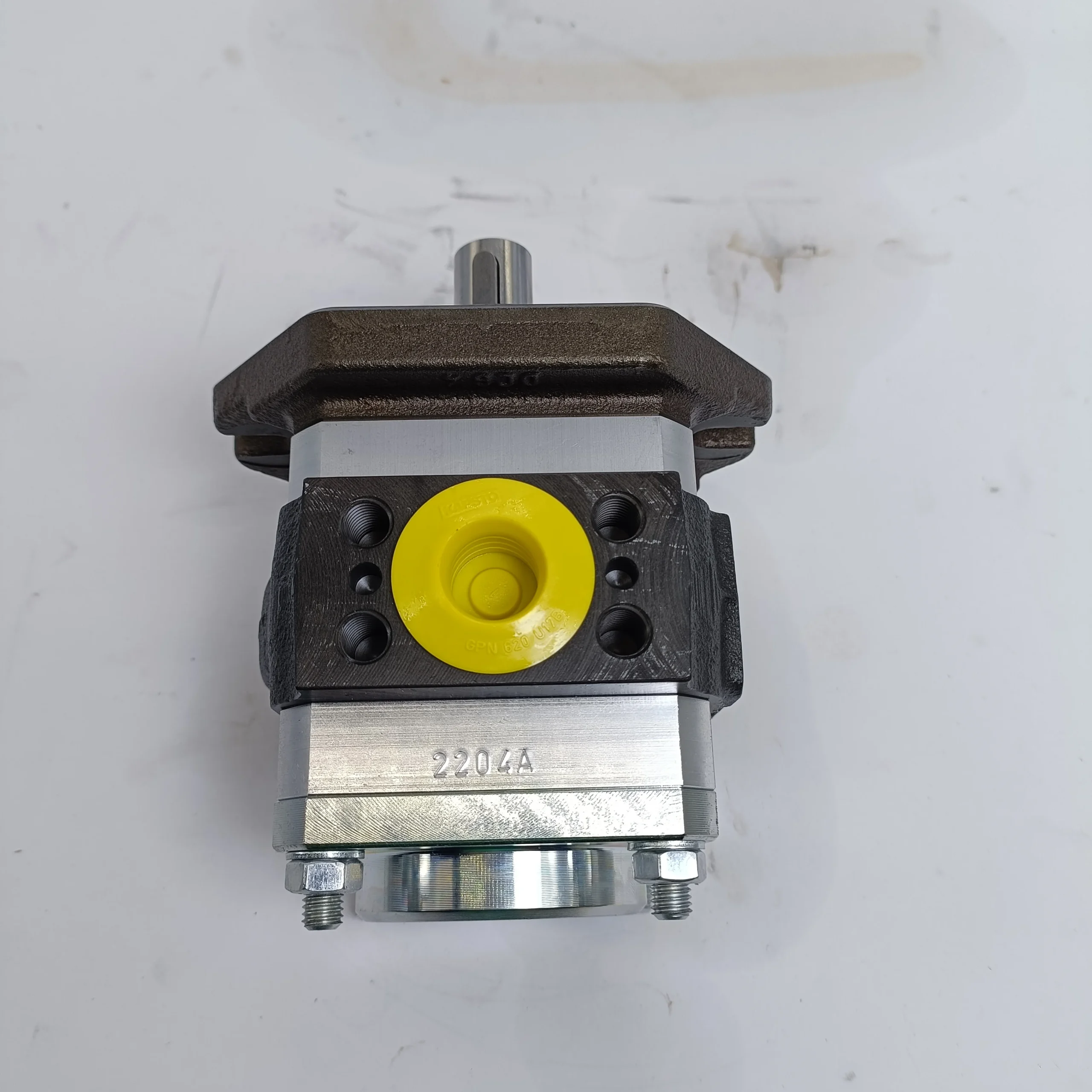
The Eckerle EIPH2-019RK03-11 is a fixed-displacement high-pressure internal gear pump from the Eckerle EIPH series, developed for demanding industrial hydraulic applications.
Eckerle describes the EIPH family as internal gear pumps with axial and radial gap compensation, radial compensation with segments, radial suction and pressure ports, low noise, long service life and low pressure pulsation of approximately 2%.
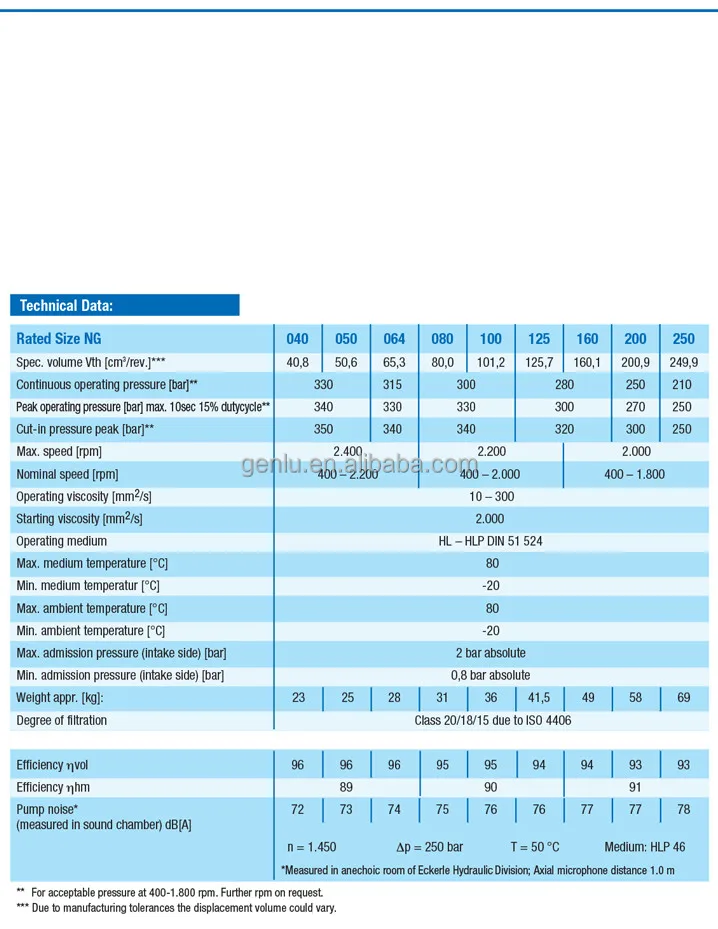
For the EIPH2-019 size, Eckerle’s current official technical documentation specifies a theoretical displacement of 18.9 cm³/rev. The permissible pressure and speed limits vary by displacement size and therefore should not be replaced by the maximum values of the entire EIPH family.
An important data correction is necessary here. Some third-party databases identify the EIPH2-019RK03-11 as approximately 19.3 cm³/rev and 300 bar, but Eckerle’s current official catalogue lists the 019 size at 18.9 cm³/rev, with 250 bar continuous operating pressure and 280 bar peak operating pressure for the applicable pressure range. Because engineering accuracy is the priority, this product page follows the official Eckerle documentation.
For replacement applications, true in-place interchangeability requires more than displacement matching. Rotation direction, shaft end, mounting flange, suction and pressure connections, revision code and duty cycle must also be verified. Replacement units can be matched to the original configuration and subjected to 100% simulated working-condition testing before delivery.
Technical Specifications
- Brand: Eckerle Technologies
- Series: EIPH
- Frame Size: EIPH2
- Model: EIPH2-019RK03-11
- Pump Type: Fixed-displacement internal gear pump
- Theoretical Displacement: 18.9 cm³/rev
- Continuous Operating Pressure: 250 bar
- Peak Operating Pressure: 280 bar
- Peak Duty Condition: Maximum 10 seconds, 15% duty cycle
- Pressure Peak at Start: 300 bar
- Rated Speed Range: 400–3,000 rpm for the NG019 configuration
- Maximum Speed: 3,600 rpm
- Operating Viscosity: 10–300 mm²/s
- Starting Viscosity: Up to 2,000 mm²/s
- Recommended Fluid: HL–HLP hydraulic fluids according to DIN 51 524 Part 1/2
- Maximum Fluid Temperature: 80°C
- Minimum Fluid Temperature: -20°C
- Maximum Ambient Temperature: 80°C
- Minimum Ambient Temperature: -20°C
- Maximum Inlet Pressure: 2 bar absolute
- Minimum Inlet Pressure: 0.8 bar absolute; approximately 0.6 bar absolute during start-up
- Fluid Cleanliness: ISO 4406 Class 20/18/15
- Expected Service Life: At least approximately 1 × 10⁷ cycles against peak operating pressure
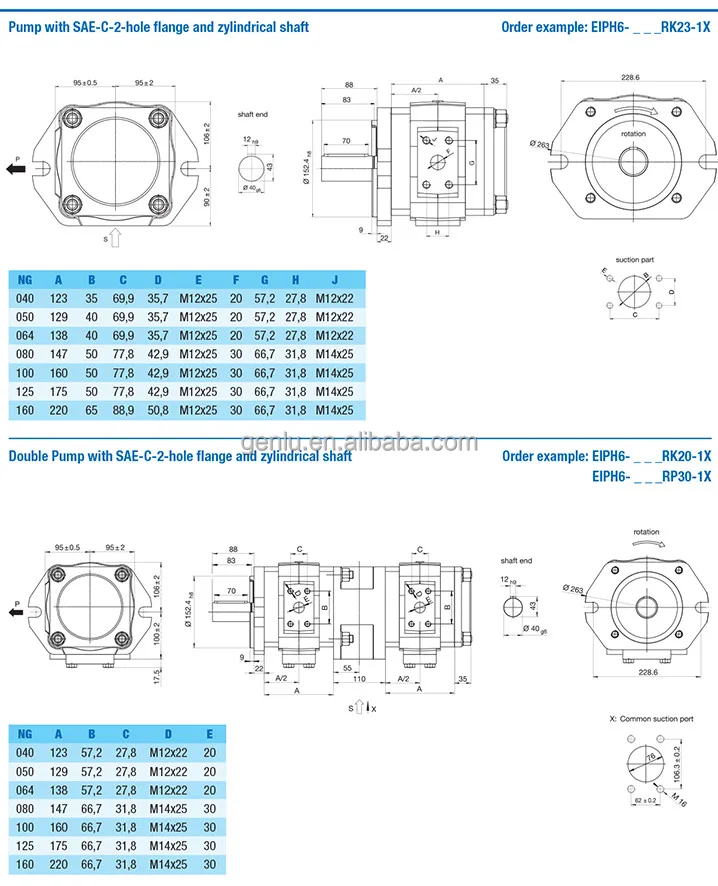
- Mounting Configuration: SAE-A 2-hole flange configuration within the EIPH2 platform
- Shaft Configuration: Cylindrical shaft for the RK configuration
- Control Method: Fixed displacement; no variable-displacement control
- Approximate Weight: 7.8 kg for NG019
- Reference Test Conditions: 1450 rpm, Δp = 250 bar, 50°C, HLP 46 for the published efficiency and noise data.
Eckerle also states that the listed pressure limits must not be combined or cumulatively applied, and the pressure ratings shown are primarily applicable to 400–1800 rpm. Higher-speed operation requires additional confirmation of the permissible pressure operating point.
Theoretical Flow Reference
Using the fixed displacement relationship:
Q = V × n / 1000
For 18.9 cm³/rev:
- 1000 rpm: approximately 18.9 L/min
- 1500 rpm: approximately 28.35 L/min
- 2000 rpm: approximately 37.80 L/min
- 2500 rpm: approximately 47.25 L/min
- 3000 rpm: approximately 56.70 L/min
- 3600 rpm: approximately 68.04 L/min
These figures are theoretical displacement flow values. Actual delivered flow depends on volumetric efficiency, operating pressure, viscosity, temperature and inlet conditions.
Key Technical Advantages
1. Axial and Radial Gap Compensation
The EIPH’s axial and radial gap compensation is one of its principal engineering features. Maintaining controlled internal clearances helps reduce internal leakage and preserve volumetric performance as operating conditions change.
2. Segmented Radial Compensation
Eckerle uses radial compensation with segments to improve sealing behavior around the gear set under pressure. This design supports stable internal clearances and helps limit wear-related performance degradation.
3. Low Noise and Low Pressure Pulsation
The EIPH family is characterized by low noise and approximately 2% pressure pulsation according to Eckerle’s official documentation. This is valuable in servo-hydraulic systems, injection molding machinery, paper equipment, wind power systems and marine applications where vibration and hydraulic noise can affect machine performance.
4. Efficient Pressure-Holding Operation
Eckerle states that the internal gear pump can build high pressure even at very low speed because of its gap-compensation design. This makes the technology suitable for pressure-holding phases where high pressure is required while actuator movement is limited.
5. Dynamic Variable-Speed Capability
Eckerle specifically identifies the EIPH platform as suitable for variable-speed operation. However, the actual dynamic speed range depends on inlet pressure, suction-line geometry and fluid viscosity, so maximum speed alone should never be used as the sole selection criterion.
6. Multi-Pump Configuration
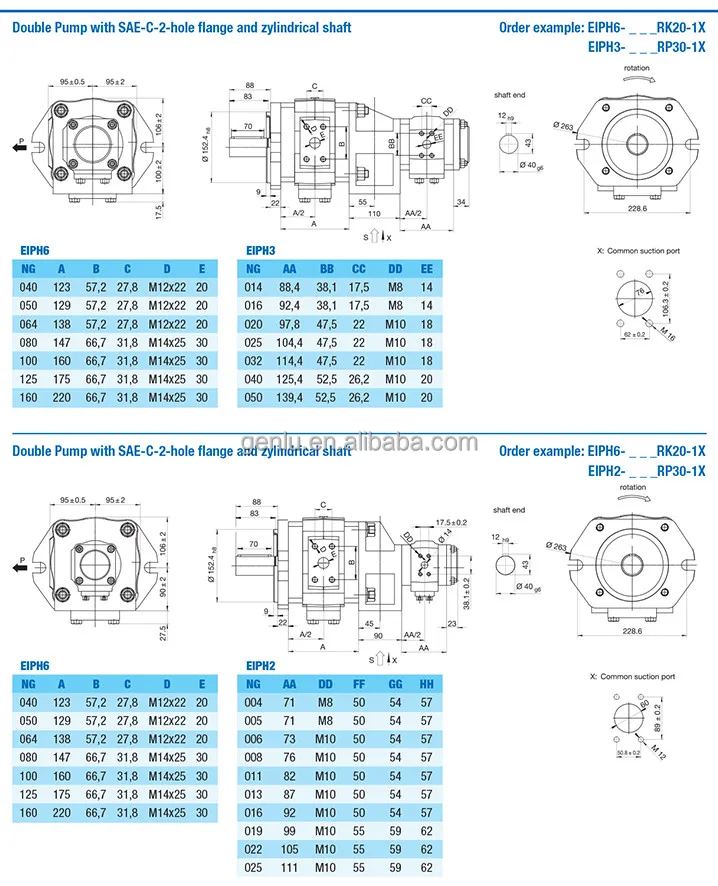
The EIPH platform supports multiple-pump combinations for systems requiring separate or shared suction arrangements and multiple flow circuits.
Application Areas
Eckerle identifies the following major applications for the EIPH family:
- Plastic injection molding machinery
- Rubber processing machinery
- Conveyor and lifting equipment
- Energy-efficient variable-speed servo drives
- Power plant technology
- Paper-processing machinery
- Wind power systems
- Container gantry cranes
- Lifting and hoisting equipment
- Marine engineering
- Press technology
- Industrial hydraulic power systems
These applications commonly require stable fixed displacement, high efficiency, low noise and reliable operation under demanding pressure cycles.
EIPH vs. EIPC Model Identification
The original search title combines EIPH, EIPH2, EIPH3, EIPC2, EIPC3, EIPC5 and EIPC6. These should not be treated as one interchangeable product family.
- EIPH: Eckerle high-pressure internal gear pump family.
- EIPH2 / EIPH3 / EIPH5 / EIPH6: Different EIPH frame sizes.
- EIPC: Eckerle industrial internal gear pump platform with an aluminium housing.
- EIPC3 / EIPC5 / EIPC6: Current standard EIPC frame sizes listed by Eckerle.
- EIPC2: Not listed as a standard frame size in Eckerle’s current official EIPC product structure or type key and therefore should not be assigned EIPC3/5/6 specifications.
The current EIPC range covers EIPC3, EIPC5 and EIPC6, with displacements from approximately 20 to 249.9 cm³/rev and continuous operating pressures up to 250 bar depending on size.
Expert Maintenance Tips
1. Protect the Suction Side
The EIPH is a high-performance positive-displacement pump and is sensitive to inlet conditions. Eckerle specifies a maximum inlet pressure of 2 bar absolute and a minimum inlet pressure of 0.8 bar absolute, with approximately 0.6 bar absolute permitted during start-up. Suction lines should therefore be correctly sized and designed to minimize pressure loss.
2. Do Not Apply Maximum Pressure at Every Speed
The official documentation specifically notes that the listed pressure limits are primarily applicable from 400 to 1800 rpm. When operating above this range, the permissible pressure must be reassessed against the actual viscosity, inlet pressure and duty cycle.
3. Maintain Hydraulic Cleanliness
Eckerle specifies ISO 4406 Class 20/18/15 cleanliness for the EIPH platform. Contamination can accelerate wear in the gearing, bearing surfaces and compensation components, eventually increasing internal leakage.
4. Prevent Dry or Air-Starved Start-Up
Although the specified starting viscosity can reach 2,000 mm²/s, this does not permit dry running or severe suction starvation. Before commissioning, ensure that the pump and suction line are adequately filled with the working fluid.
5. Monitor Dynamic Pressure in Variable-Speed Systems
Eckerle notes that rapid acceleration and deceleration can generate line-dependent pressure peaks on the suction side. For a new variable-speed application, dynamic measurements near the pump inlet and outlet should be used to verify actual pressure behavior during the critical portions of the operating cycle.
6. Verify the Complete Ordering Code
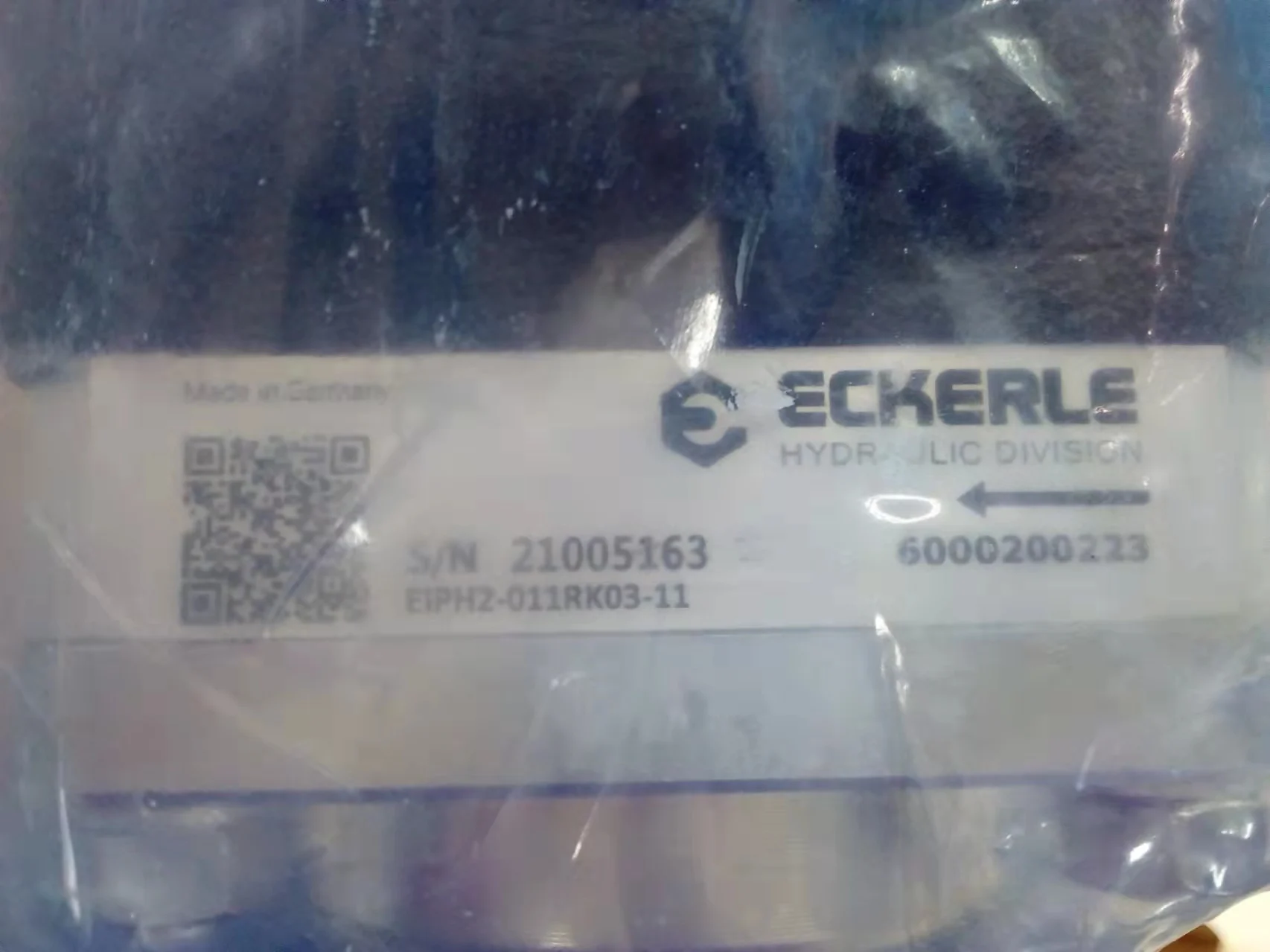
For EIPH2-019RK03-11, replacement selection should not be based only on the EIPH2-019 displacement.
The following must be verified:
- Rotation direction
- Shaft-end configuration
- Mounting flange
- Suction connection
- Pressure connection
- Revision code
- Seal configuration
- Actual pressure-speed duty cycle
Only when these parameters are matched can a replacement be considered mechanically and hydraulically suitable for in-place interchangeability.