
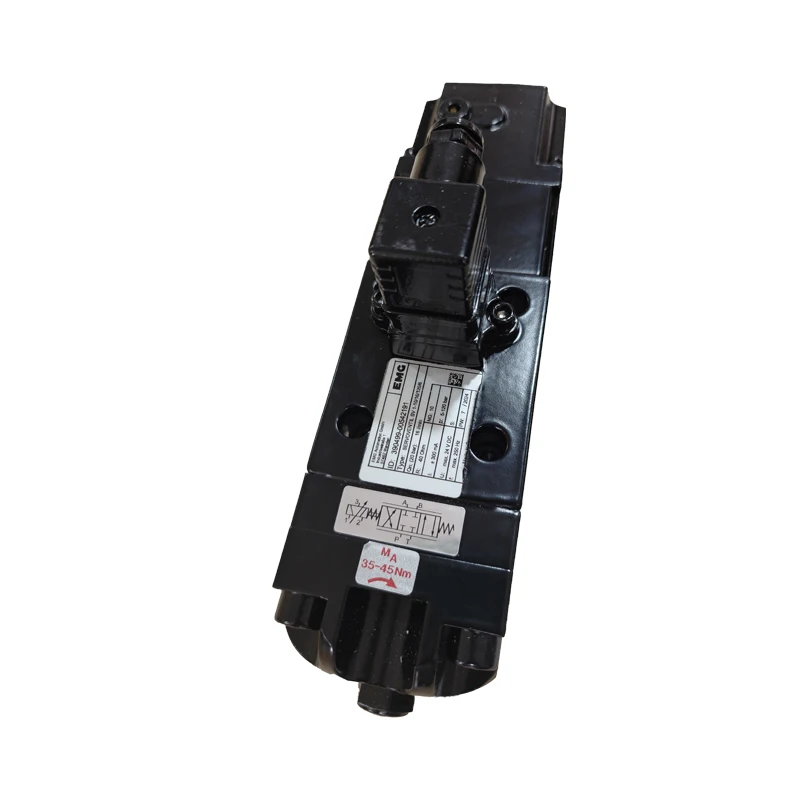
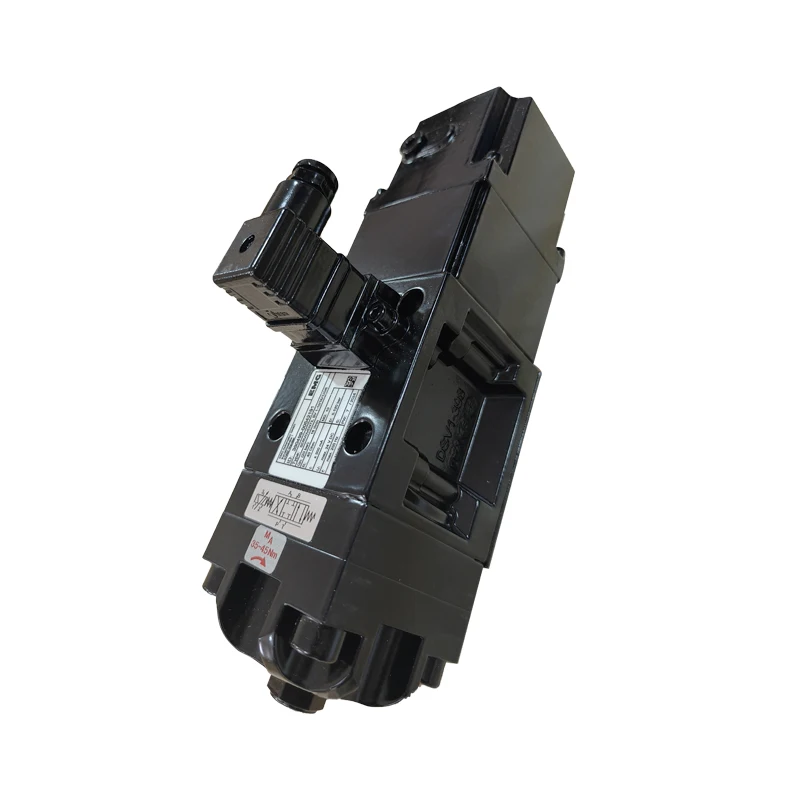
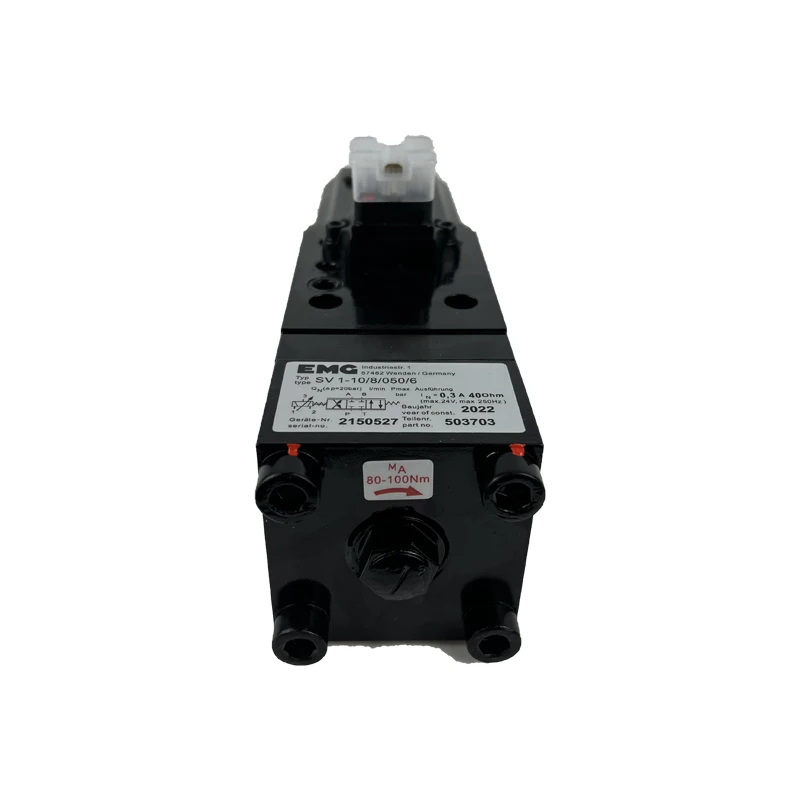
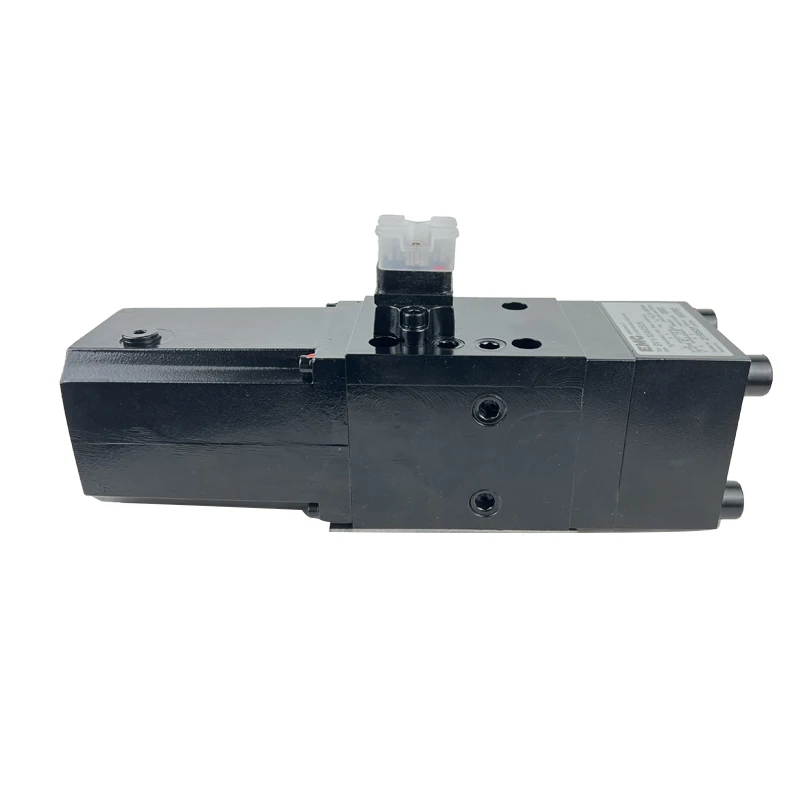
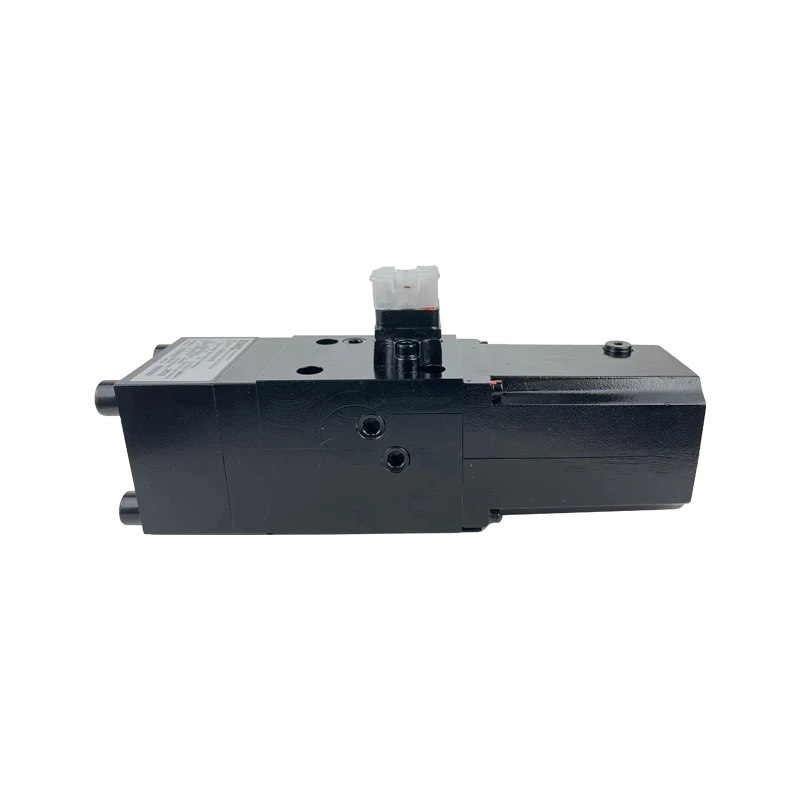
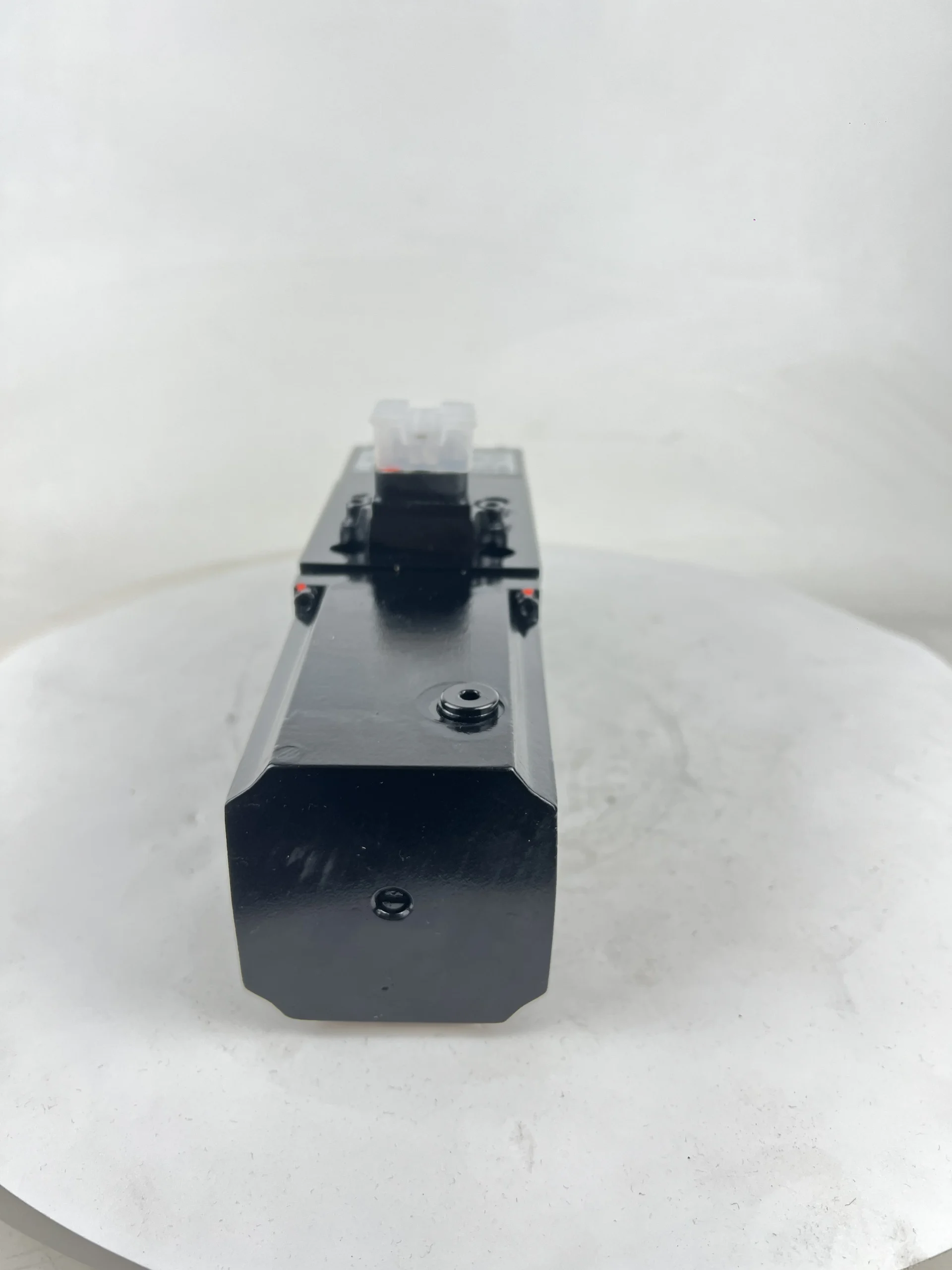
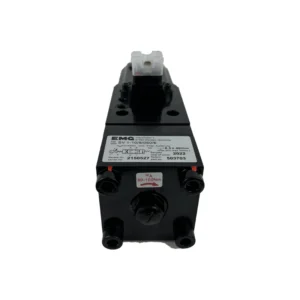
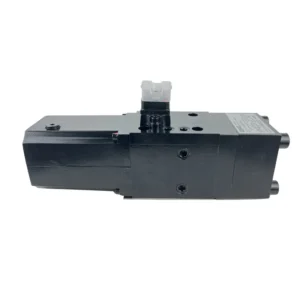
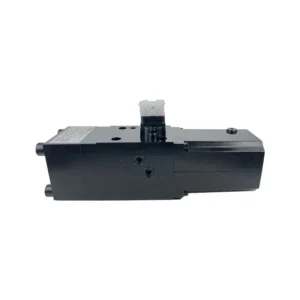
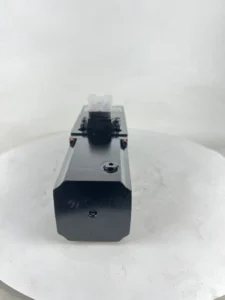
SV1-10 EMG Proportional Directional Servo Valve NG10 315 bar
| Model Number | SV 1-10/8/050/6/EX |
|---|
SKU
N/A
Categories Hydraulic Valve, Servo Valve
Tags geo sv, kraft paper sv, led sv, mobile phone sv 100, one sv, sv 10, sv 100, sv 100l, sv 150, sv 2, sv 400, sv at20, sv of, sv p
Product Description
Product Overview
The SV 1-10 series is a single-stage, 4/3-way proportional directional servo valve engineered and manufactured by EMG Automation GmbH (Elektro-Maschinenbau GmbH), Germany. As the core platform of the EMG SV servo valve family, it is designed to the DIN 24340 / ISO 4401 NG10 (Cetop 5) standard and converts an electrical input signal (±300 mA or ±10 V) into a proportional hydraulic flow output through an electro-magnetic rotary drive with patented return springs, maintaining a constant pressure drop across the internal control edges.
As a drop-in replacement for the original EMG SV 1-10, this valve is fully compatible in mounting interface, electrical connection, and performance characteristics with the OEM specification — no modification to the manifold block or control circuitry is required. Every unit undergoes 100% simulation-based testing prior to shipment, covering null stability, flow linearity, step response, and internal leakage, ensuring delivered performance matches the published datasheet.
The series is available in five rated flow capacities: 4, 8, 16, 32, and 48 L/min (at ΔpN = 20 bar), covering a broad spectrum of industrial hydraulic control requirements.
Technical Specifications
All parameters below are verified against the EMG official SV 1-10 technical datasheet (KDB SV1-10) and corroborated by authorized supplier technical pages:
Product Series: EMG SV 1-10 (single-stage proportional servo valve)
Spool Function: 4/3-way proportional directional valve
Standard Size: NG10 (DIN 24340) / Cetop 5 / ISO 4401
Rated Flow (ΔpN = 20 bar): 4 / 8 / 16 / 32 / 48 L/min (by model variant)
Rated Flow (ΔpN = 70 bar): 7 / 13 / 24 / 46 / 70 L/min (corresponding variants)
Operating Pressure Range (315 bar version): 30 – 315 bar
Operating Pressure Range (100 bar version): 5 – 100 bar
Max. Permissible Return Pressure: 30 bar
Control Method: Electro-magnetic rotary drive with return springs (patented); input ±300 mA or ±10 V
Hysteresis: < 2% (4 L/min); < 2.5% (16–48 L/min)
Reversal Error: < 0.1% (4/8 L/min); < 0.2% (16–48 L/min)
Operating Temperature Range: -20 °C to +80 °C
Dimensions (H×W×L): 127 × 72 × 264 (325) mm
Weight: 6.5 kg or 7.5 kg (depending on configuration)
Hydraulic Fluid: Mineral oil (H-L 46 recommended); HFC and HFD fluids available
Recommended Filtration: Pressure filter without bypass, with contamination indicator, β ratio ≥ 75
Electrical Interface: 6-wire coil configuration (optional)
Overlap: 1% or 6% (per type code)
Note: Specifications are based on EMG Automation official datasheet KDB SV1-10 and verified supplier technical pages. Model variants (e.g., SV1-10/8/315/6, SV1-10/16/315/6, SV1-10/48/315/6, SV1-10/4/315/1) differ in rated flow, overlap, and operating pressure range. Always verify against the complete model code during selection.
Key Technical Advantages
1. Patented Electro-Magnetic Rotary Drive for High-Resolution Flow Control
The SV 1-10 employs EMG’s patented electro-magnetic rotary drive mechanism in place of a conventional nozzle-flapper torque motor. When the coil receives a modulated current signal from the drive amplifier, a proportional torque vector rotates the armature shaft through a micro-degree angle, which is mechanically coupled into linear spool displacement. This architecture eliminates the nozzle-clogging and fluid-contamination sensitivity inherent in nozzle-flapper designs while achieving dynamics that are largely independent of system pressure.
2. Temperature- and Pressure-Independent Null Stability
The valve exhibits exceptional null-position stability: temperature drift of the null point is not measurable and is theoretically zero. This means that under cold starts, extended continuous operation, or significant ambient temperature swings, the spool does not drift due to thermal expansion or pressure fluctuation. For applications such as rolling mill gauge control and injection molding hold-pressure phases, where null-point precision directly determines product quality, this characteristic is decisive.
3. Rotary Spool and Clearance-Adjustment Design for Minimal Friction Loss
The SV 1-10 features a rotary spool design combined with a clearance-adjustment structure that reduces sliding friction to a minimum. Compared with conventional spool-valve architectures, this design not only generates fewer wear particles but also permits online flushing without oil leakage — internal contaminants can be cleared without valve removal, significantly reducing unplanned downtime.
4. Dual Pre-Loaded Return Springs for Fail-Safe Operation
The valve is equipped with dual pre-loaded mechanical return springs. Upon loss of power supply or control signal, spring force rapidly returns the spool to the center position, isolating ports A/B from P/T and bringing the actuator to a controlled stop. This fail-safe mechanism is critical for rolling mills, presses, and large hydraulic cylinders where uncontrolled motion poses a safety risk.
5. 100% Simulation-Based Testing on Every Unit
Every SV 1-10 undergoes 100% simulation-based testing prior to shipment. Test protocols cover rated flow calibration, hysteresis and linearity measurement, step-response verification, and internal leakage detection — all performed under simulated operating pressure and temperature conditions to ensure the delivered performance curve matches the official datasheet.
Application Areas
Metal Rolling Equipment: Hydraulic gap control (AGC) for hot and cold rolling mills, roll bending systems, strip edge-position control (EPC/CPC)
Continuous Casting & Galvanizing Lines: Mold level control, zinc coating thickness regulation circuits
CNC Machine Tools & Machining Centers: Precision hydraulic feed axes, fixture positioning and clamping systems
Industrial Robotics: Hydraulic drive control for heavy-payload joints, force/position hybrid control of end effectors
Injection Molding Machines: Clamping and injection phase pressure/flow compound control
Material Testing Systems: Electro-hydraulic servo fatigue test rigs, structural component loading systems
Construction Machinery: Pilot control circuits for excavators and loaders, load-sensing hydraulic systems
Expert Maintenance Tips
Pre-Installation Checks:
Verify the manifold mounting surface conforms to ISO 4401 NG10: surface roughness Ra ≤ 0.8 μm, flatness deviation ≤ 0.01 mm/100 mm
Flush all piping with clean hydraulic fluid prior to installation; ensure system cleanliness reaches ISO 4406 18/16/13 or better
Inspect O-rings for damage; tighten mounting bolts in diagonal sequence to specified torque
Operational Maintenance:
Use a 5–10 μm precision pressure filter, specified without bypass and equipped with a contamination indicator
Recommended fluid: ISO VG 46 mineral oil; maintain operating viscosity within 15–400 cSt
Periodically monitor internal leakage: typical values at Ps = 100 bar, I = 0 mA, t = 50 °C range from 0.15 to 1.5 L/min depending on displacement variant. Significant deviation indicates spool/sleeve wear
Leverage the rotary spool design’s online flushing capability to periodically clear accumulated particulates from the valve interior during system operation
Troubleshooting Guide:
Spool fails to actuate or responds slowly: Verify control signal reaches the coil (±300 mA / ±10 V); measure coil resistance against rated value
Null-point drift: After ruling out fluid contamination, inspect return springs for fatigue or fracture after extended service
Abnormal noise: Check that system return pressure does not exceed the 30 bar maximum; confirm no back-pressure blockage in the return line


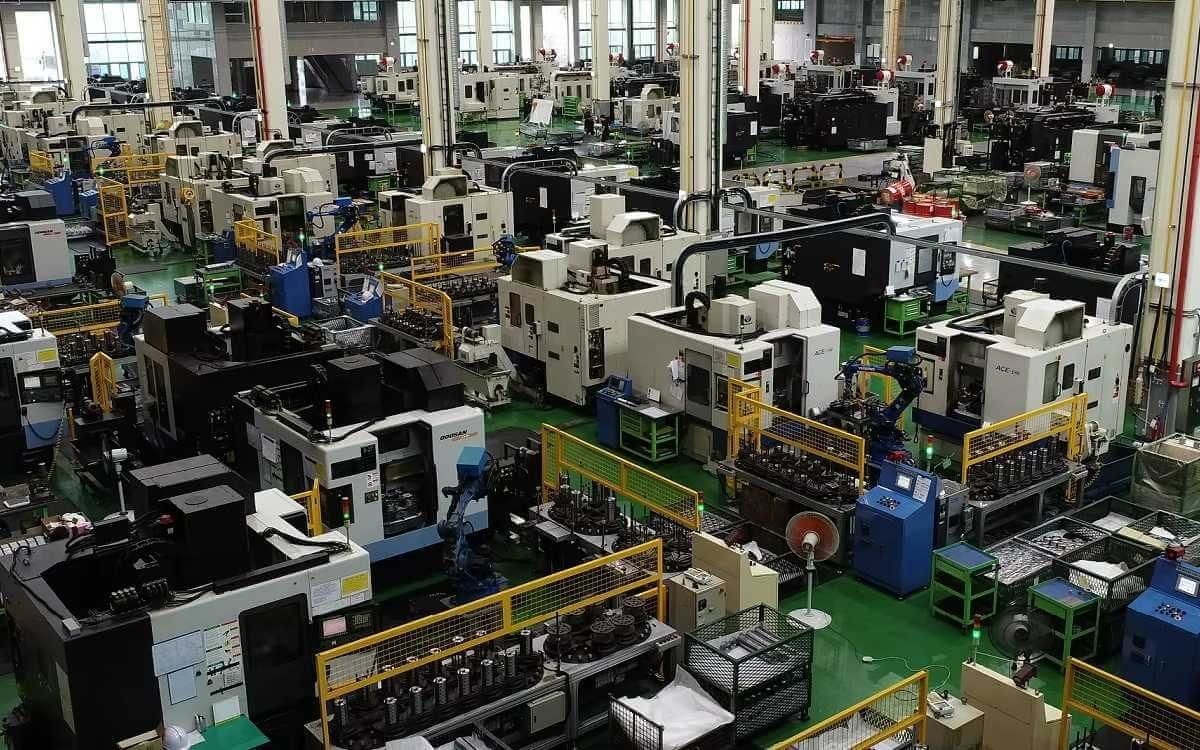
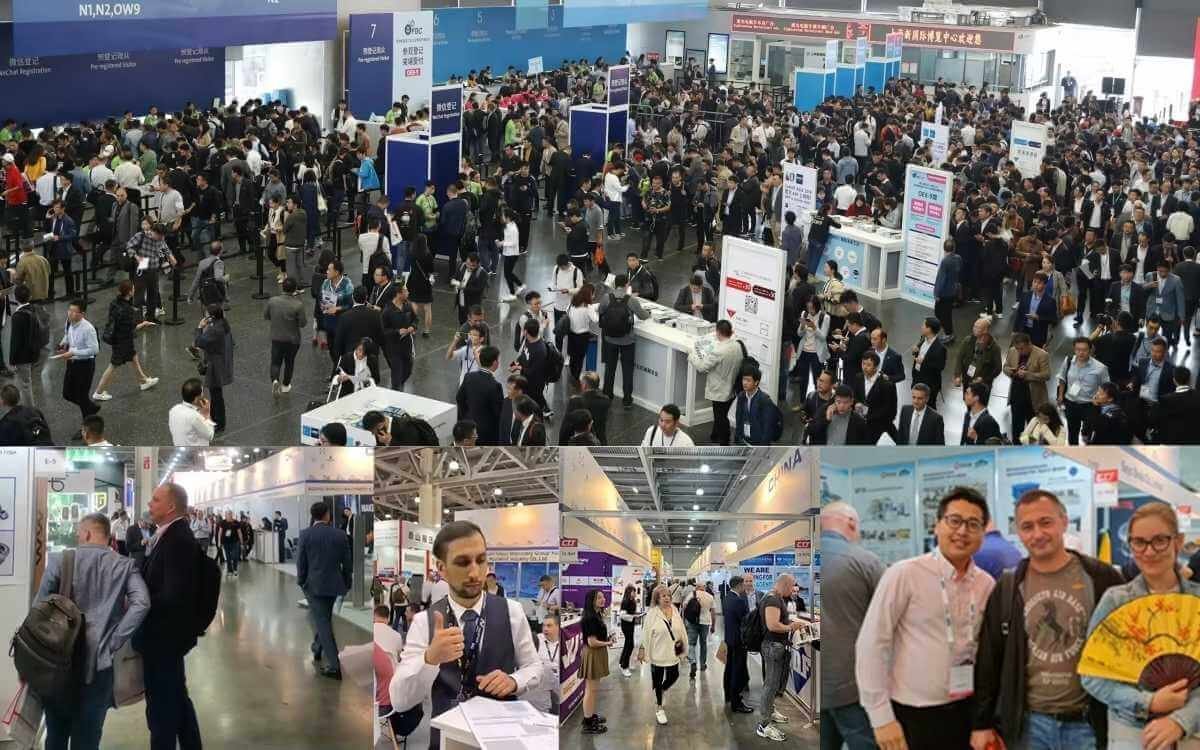
Company Profile

Frequently Asked Questions
1.What ls our Main Products?
1.Hydraulic pump
2.Hydraulic valve
3.Hydraulic motor
4.Hydraulic cylinder
5.Hydraulic parts
2. What about the MOQ?
3.What are your advantages?
- Adhere to quality first.
- Support customization, ODM & OEM service.
- 1-year warranty and complete after-sales support.
- Safe and fast shipping worldwide.
- 24-hour online service for your inquiries.
4.Are you a manufacturer? What’s your delivery time?
Yes, we are a manufacturer with our own factory.
Common models are in stock, and orders are usually shipped within 1–3 days.
5.Which payment methods are accepted?
We accept T/T, L/C, PayPal, VISA, Western Union, Apple Pay, Google Pay, Afterpay (Clearpay), Klarna, and Trade Assurance.
For full orders: 30% deposit, balance before shipment.
For small/sample orders: full payment in advance.
6.How will you deliver my goods?
We offer flexible shipping options: DHL, UPS, FedEx, TNT, EMS, as well as air or sea freight.
All deliveries ensure door-to-door fast and safe service.
7.How do you inspect and guarantee your products?
All products are tested before shipment to ensure perfect working condition.
We offer a 12-month warranty — if a product fails due to quality issues, we provide free spare parts or repair support.
8.What about after-sales service?
If you encounter any problem during use, please contact your sales manager or our support team at any time.
We will respond quickly and help solve the issue efficiently.
9.What are your main applications?
- Hydraulic systems
- Agricultural machinery
- Construction machinery
- Automobile industry
- Local distributors and maintenance centers
10.Can I get a discount for bulk orders?
Yes. We offer competitive wholesale prices and try our best to give benefits to long-term partners.
Shoot Us An Email
Professional Manufacturer