Product Overview
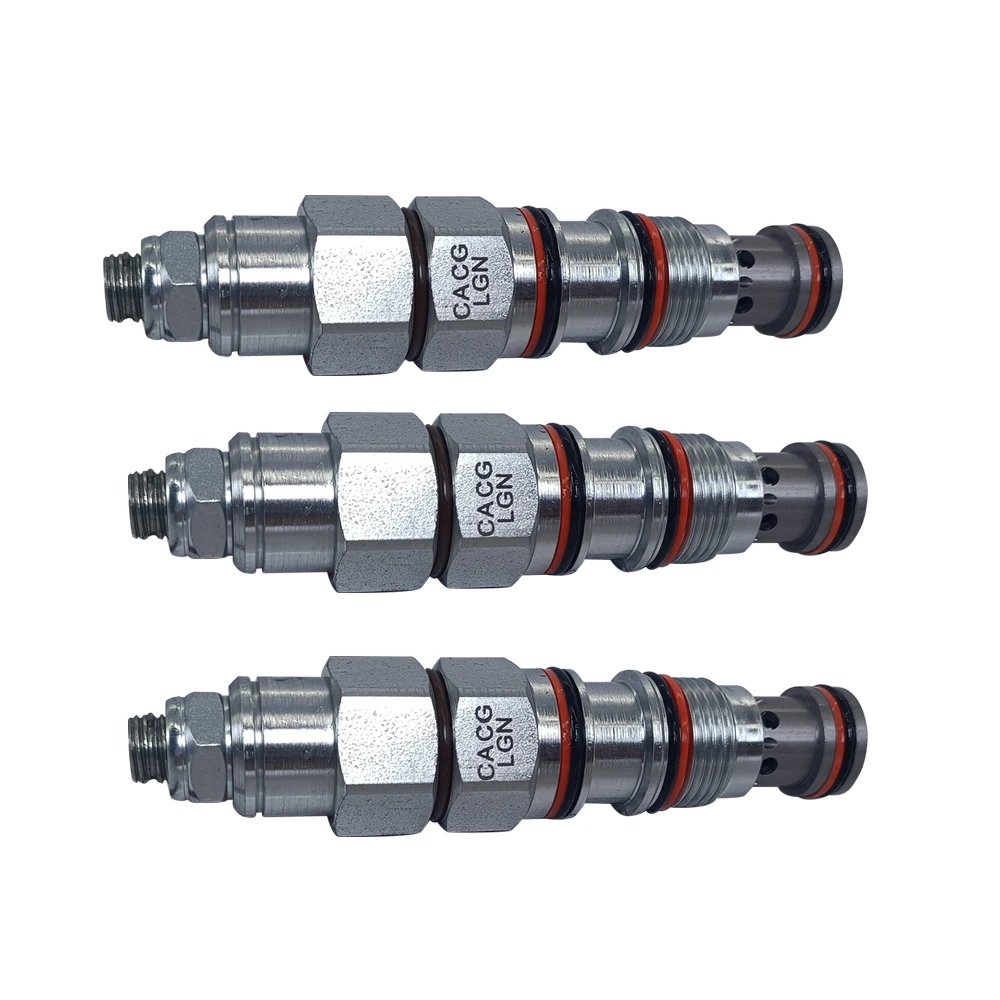
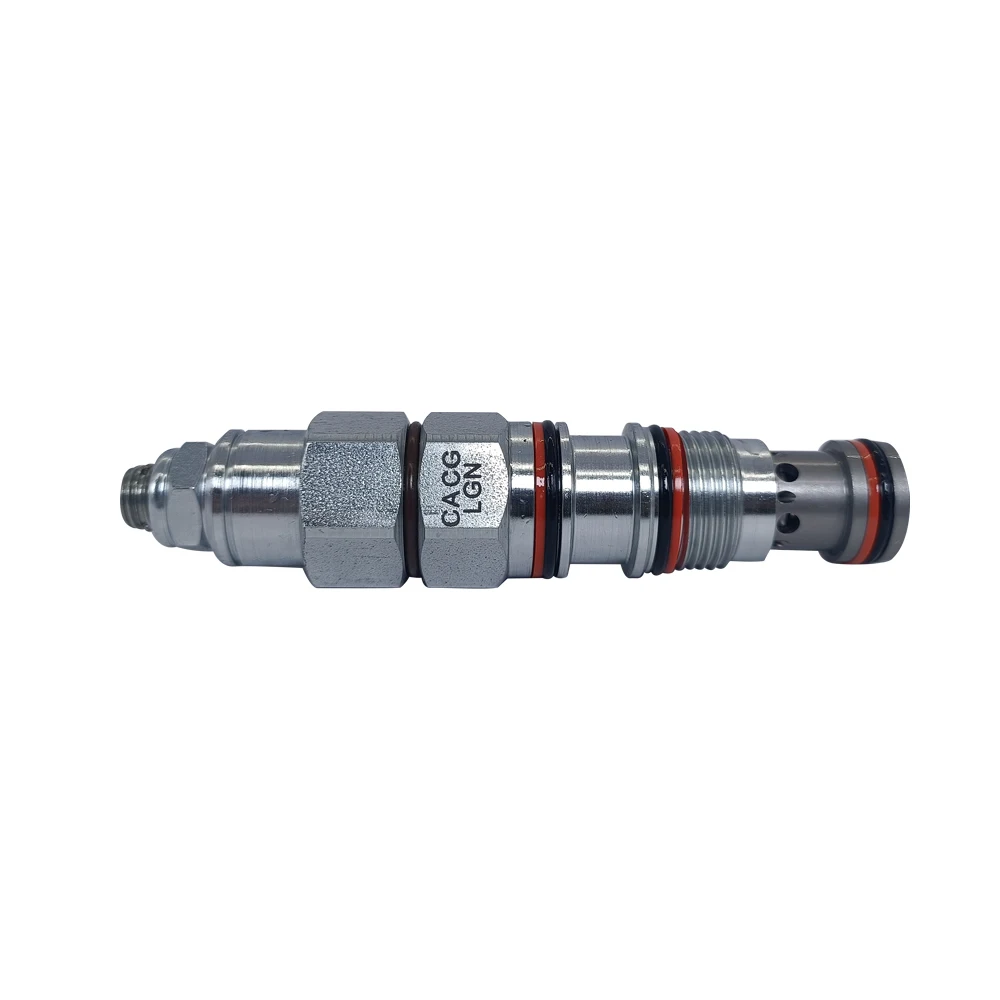
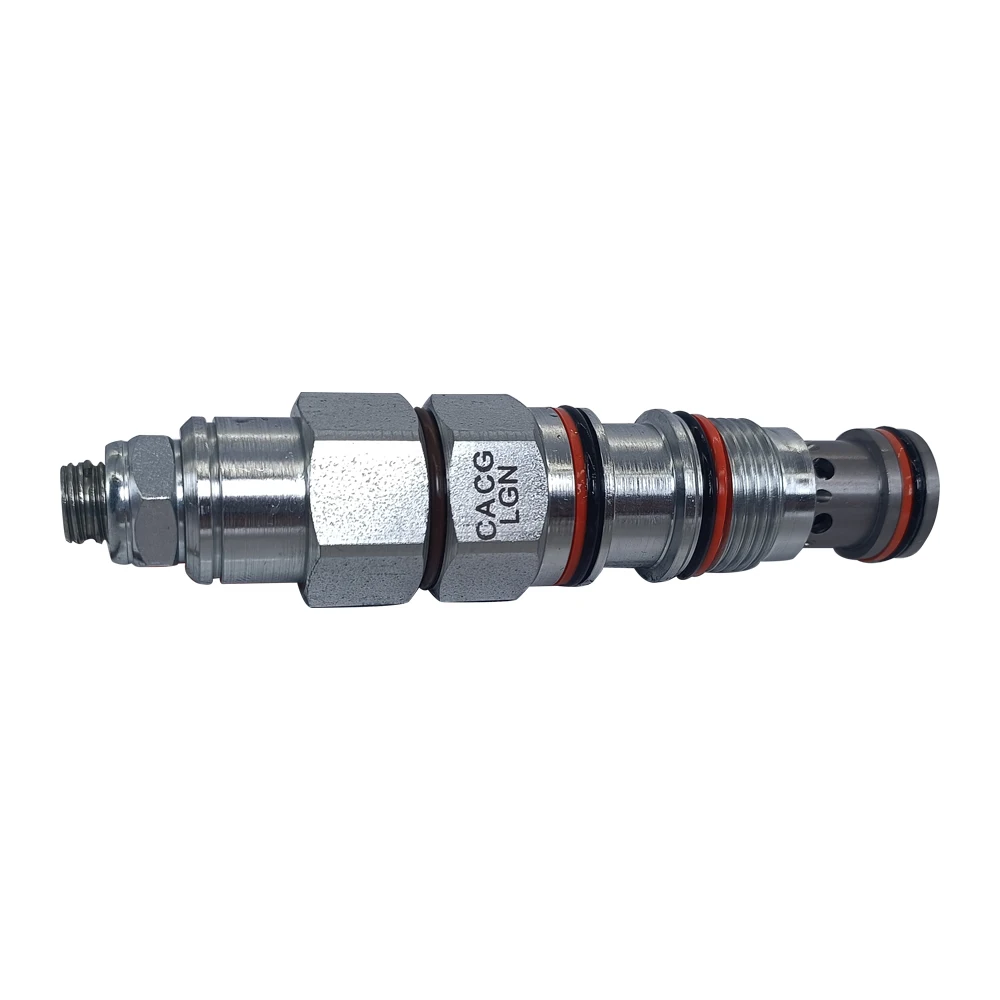
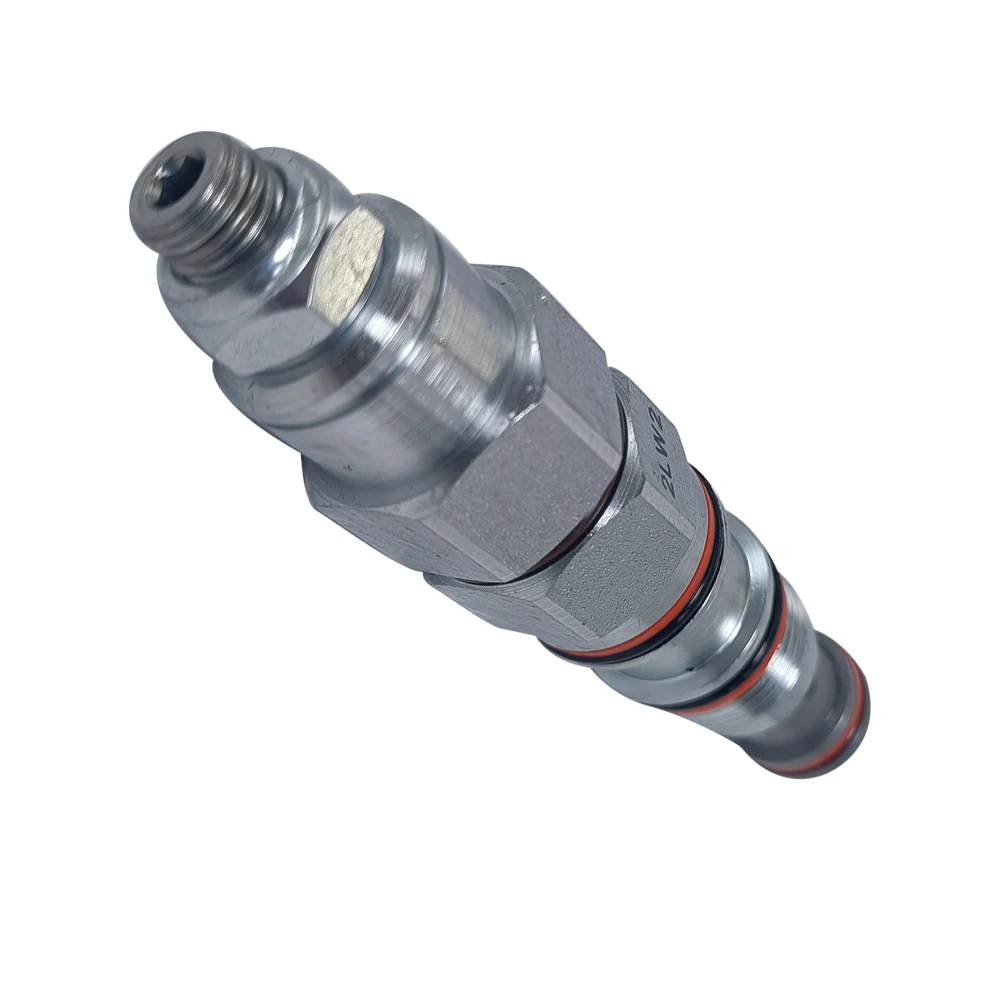
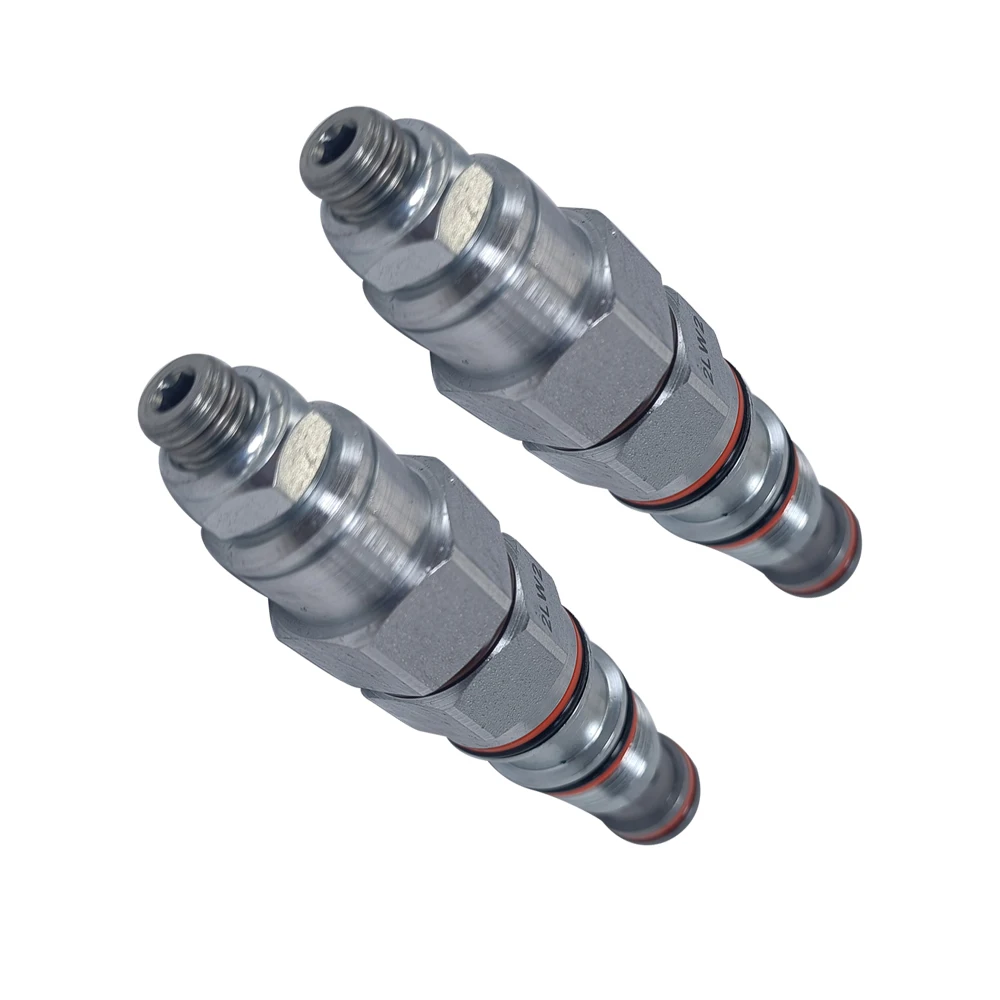
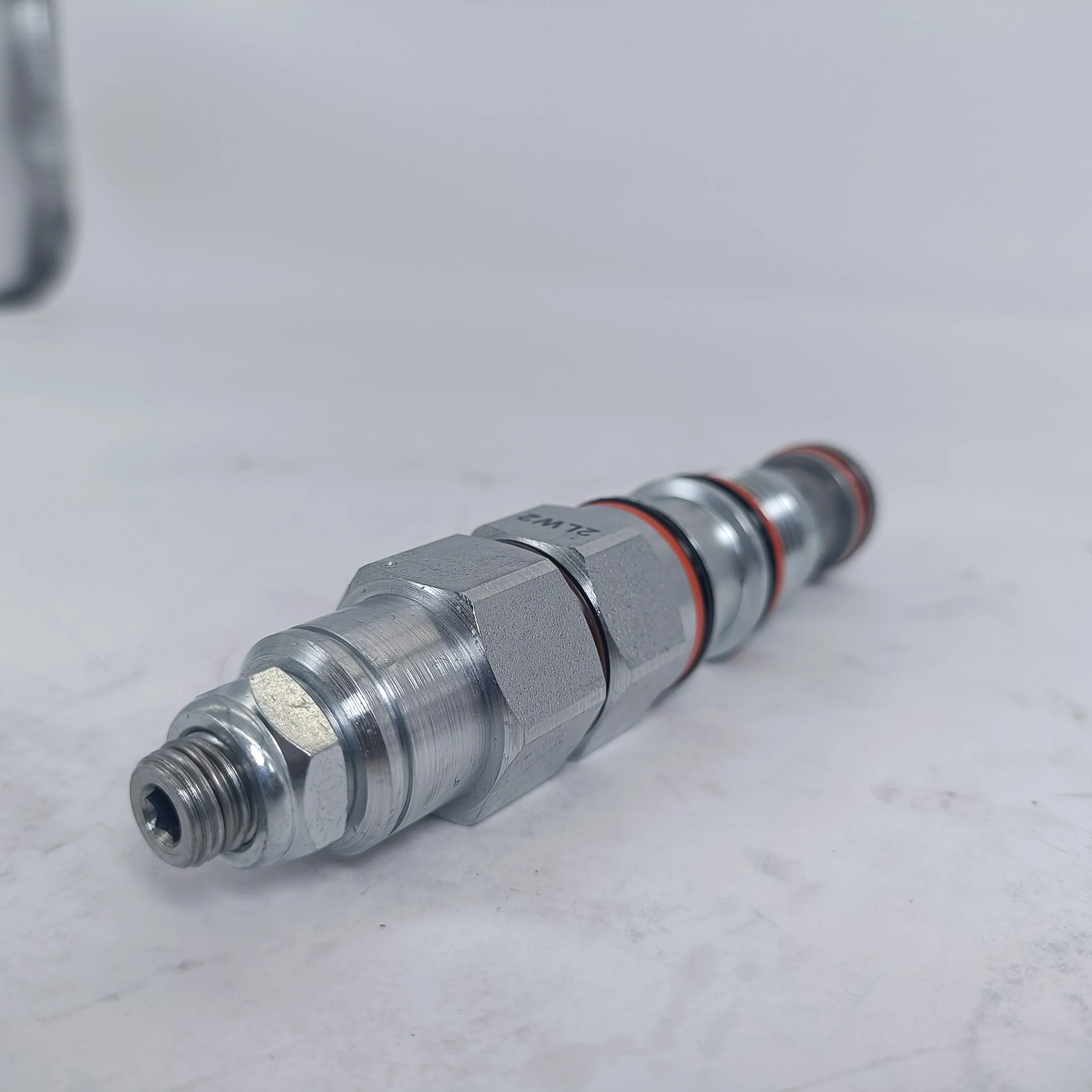
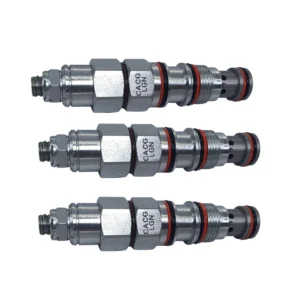
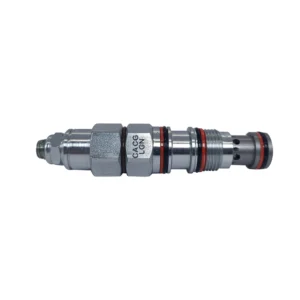
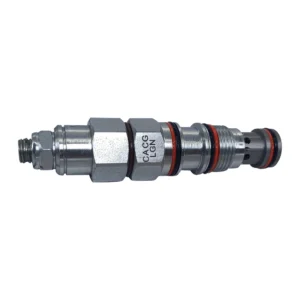
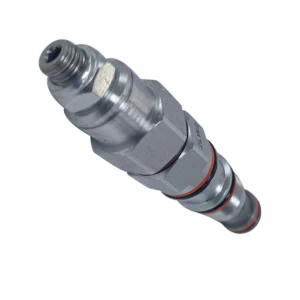
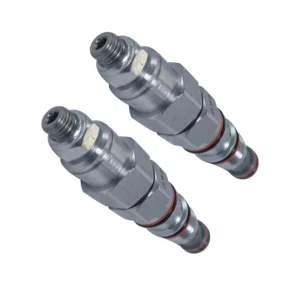
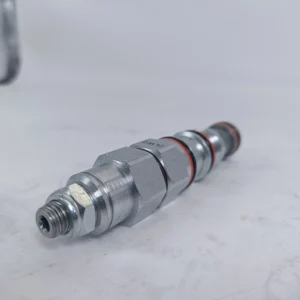
The Sun Hydraulics CKCB-XCN is a 3-port pilot-to-open check valve with a standard pilot, designed for hydraulic load locking, load holding and hose-break protection.
The valve uses a non-vented, non-sealed pilot and steel seat. It allows free flow from Port 2 to Port 1, blocks reverse flow from Port 1 to Port 2, and opens in the reverse direction when sufficient pilot pressure is applied at Port 3.
The standard CKCB-XCN configuration provides:
- T-11A cavity
- 60 L/min / 15 GPM capacity
- 3:1 pilot ratio
- 350 bar / 5000 psi maximum operating pressure
- 0.07 cc/min maximum leakage at 24 cSt
- Standard X pilot
- 30 psi / 2 bar cracking pressure
- Buna-N seals
- Standard material/coating
The CKCB-XCN is particularly suitable for systems requiring positive load locking and protection against actuator drift.
Sun explicitly distinguishes pilot-to-open check valves from counterbalance valves: pilot-to-open check cartridges are intended for load locking, not continuous motion control. Counterbalance valves should be considered for controlled lowering and overrunning-load motion control.
Technical Specifications
CKCB-XCN
- Manufacturer: Sun Hydraulics
- Product Type: 3-port pilot-to-open check valve
- Model: CKCB-XCN
- Series: Series 1
- Cavity: T-11A
- Nominal Capacity: 60 L/min / 15 GPM
- Pilot Ratio: 3:1
- Maximum Operating Pressure: 350 bar / 5000 psi
- Maximum Valve Leakage: 0.07 cc/min at 24 cSt
- Pilot Type: Standard, non-sealed pilot
- Seat: Steel
- Control Code: X
- Cracking Pressure: 30 psi / 2 bar
- Seal Material: Buna-N
- Material/Coating: Standard
- Valve Hex Size: 7/8 in / 22.2 mm
- Installation Torque: 40–50 Nm
- Model Weight: 0.13 kg / 0.28 lb
- Pump Displacement: Not applicable
- Pump Rated Pressure: Not applicable
- Pump Peak Pressure: Not applicable
- Maximum Pump Speed: Not applicable
- Control Method: Hydraulic pilot-to-open operation
- Primary Function: Load locking and load holding
How the CKCB-XCN Works
The operating sequence is:
Port 2 → Port 1: Free Flow
Port 1 → Port 2: Blocked
Port 3 Pilot Pressure Applied → Valve Opens
The required pilot pressure is directly related to load pressure at Port 1, while pressure at Port 2 acts against the available pilot pressure.
The basic engineering relationship is:
Load Pressure + Back Pressure + Cracking Characteristics → Required Pilot Pressure
This must be considered during circuit design and troubleshooting.
Key Technical Advantages
1. Positive Load Locking
CKCB-XCN is designed to prevent unwanted actuator movement by blocking reverse flow.
Typical benefits include:
- Load holding
- Prevention of load drift
- Hydraulic actuator locking
- Hose-break protection
- Protection of suspended loads
2. 3:1 Pilot Ratio
The 3:1 pilot ratio provides a defined relationship between pilot pressure and load pressure.
As pilot pressure increases, the main poppet can be opened against the load-induced closing force.
The result is a controllable pilot-assisted release mechanism rather than a simple on/off electrical actuator.
3. Extremely Low Leakage
Sun specifies a maximum valve leakage of:
0.07 cc/min at 24 cSt
Low leakage is important where an actuator must remain stationary for an extended period.
If significant actuator drift develops over time, contamination-related seat damage should be investigated.
4. T-11A Cartridge Design
The CKCB-XCN uses a T-11A cavity, allowing integration into compatible hydraulic manifolds and actuator housings.
Cartridge integration can reduce external plumbing and provide a compact hydraulic architecture.
Sun’s floating construction also helps minimize internal binding caused by excessive installation torque or cavity/cartridge machining variations.
5. Standard Non-Sealed Pilot
The non-sealed pilot permits trapped air in the pilot circuit to be purged from the system.
This can simplify commissioning after installation and help improve pilot-pressure stability.
6. Steel Seat for Load-Holding Applications
The steel seat is critical to shut-off performance.
Seat geometry, poppet alignment and surface condition directly influence:
- Leakage
- Resealing
- Long-term load holding
- Wear resistance
Engineering Materials and Manufacturing
For CKCB-XCN, Sun’s publicly available technical documentation confirms:
- Steel seat
- Buna-N seals
- Standard material/coating
However, the reviewed OEM documentation does not specify a complete housing alloy grade, poppet steel grade, heat-treatment depth or surface-hardness certificate. Those values should therefore not be fabricated.
The most important manufacturing controls are:
Seat Geometry
Precise seat geometry determines shut-off leakage and reseating performance.
Poppet Alignment
Correct alignment is essential for uniform sealing and stable wear characteristics.
Spring Calibration
Cracking pressure depends on spring characteristics and the associated mechanical tolerances.
Pilot Passage Accuracy
Pilot orifices and passages determine opening response.
Internal Surface Finish
Controlled surface finish affects friction, wear and contamination sensitivity.
Application Areas
The CKCB-XCN is suitable for:
- Hydraulic cylinders
- Boom cylinders
- Lift cylinders
- Telescopic cylinders
- Aerial work platforms
- Construction machinery
- Agricultural machinery
- Mobile lifting systems
- Cranes
- Winches
- Hydraulic hoists
- Material handling equipment
- Industrial clamping systems
- Machine-tool hydraulic fixtures
- Hydraulic positioning systems
Where the primary requirement is load locking rather than controlled motion, a pilot-to-open check valve such as CKCB-XCN can provide a compact solution.
CKCB-XCN vs. Counterbalance Valve
A key application distinction is:
CKCB-XCN = Load Locking
Counterbalance Valve = Motion Control
The CKCB-XCN is intended to positively lock a load and prevent unwanted reverse movement.
A counterbalance valve is better suited when the application requires:
- Controlled lowering
- Overrunning-load control
- Motion stability
- Anti-chatter behavior
- Pressure-controlled descent
Sun specifically describes pilot-to-open check valves as locking valves rather than motion-control valves.
Related CK Series Capacity Options
Sun’s pilot-to-open check family includes:
- CKBB-XCN: 30 L/min / T-163A
- CKCB-XCN: 60 L/min / T-11A
- CKEB-XCN: 120 L/min / T-2A
- CKGB-XCN: 240 L/min / T-17A
- CKIB-XCN: 480 L/min / T-19A
The correct cartridge must be selected by matching both flow capacity and cavity.
Expert Maintenance Tips
Verify the T-11A Cavity
Before installation, confirm:
CKCB-XCN + T-11A + Correct Seal Configuration
A visually similar cartridge with a different cavity must not be substituted.
Follow the Correct Installation Torque
The Sun technical data specifies approximately:
40–50 Nm
Avoid excessive torque because the floating construction is specifically intended to reduce the risk of internal binding caused by installation forces.
Check Port 2 Back Pressure
Port 2 pressure directly opposes pilot pressure.
Excessive back pressure can therefore prevent the valve from opening as expected even when pilot pressure appears adequate.
Purge Pilot-Line Air
Because CKCB-XCN uses a standard non-sealed pilot, confirm that trapped air can be removed from the pilot line after installation.
Protect the Steel Seat From Contamination
Contaminated oil can damage the seat and cause:
- Increased leakage
- Load drift
- Loss of load holding
- Poor reseating
Hydraulic filtration and cleanliness are therefore critical.
Confirm the Cracking Pressure Code
The complete model suffix determines cracking pressure.
For example:
- XCA → 4 psi / 0.3 bar
- XCB → 15 psi / 1 bar
- XCC → 30 psi / 2 bar
- XCD → 50 psi / 3.5 bar
- XCE → 75 psi / 5 bar
- XCF → 100 psi / 7 bar
CKCB-XCN specifically corresponds to 30 psi / 2 bar.
Confirm Seal Compatibility
CKCB-XCN uses Buna-N. Seal selection must match the hydraulic fluid and operating environment.
Sun’s documentation provides alternative seal configurations for specific applications and warns that incompatible fluids can damage seal materials.
Recommended Replacement Validation
For aftermarket replacement, the recommended test sequence is:
Visual Inspection → Model Verification → T-11A Cavity Verification → Seal Inspection → Installation Torque Verification → Cracking Pressure Test → Pilot Opening Test → Reverse Flow Test → Leakage Test → Load-Holding Test → Hose-Break Simulation → 100% Simulated Working-Condition Test
This supports your core aftermarket positioning around:
In-Place Interchangeability + 100% Simulated Working-Condition Testing
while keeping the claim clearly separate from Sun Hydraulics’ own OEM specifications.