


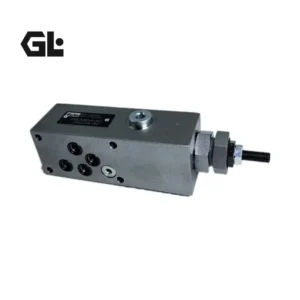
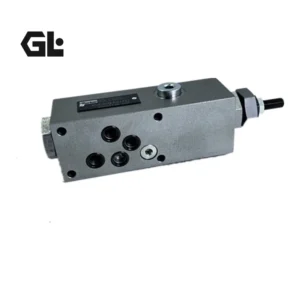
Product Overview
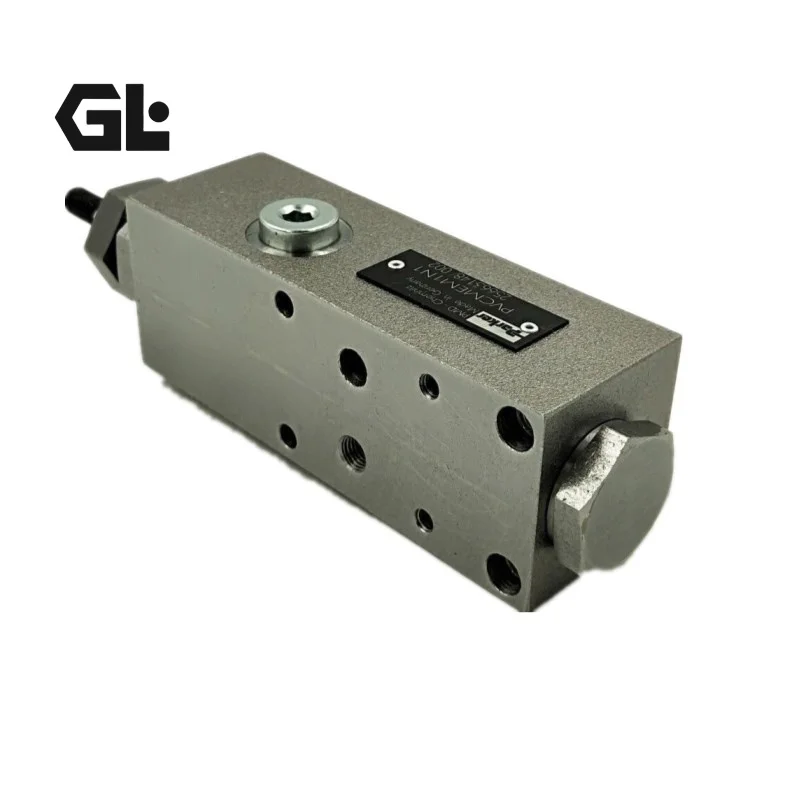
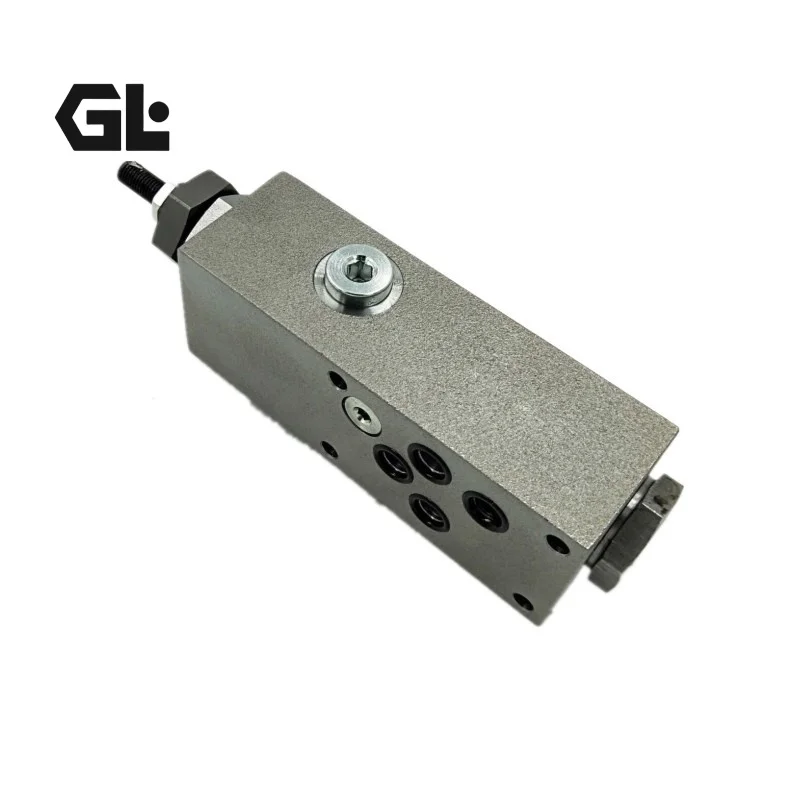
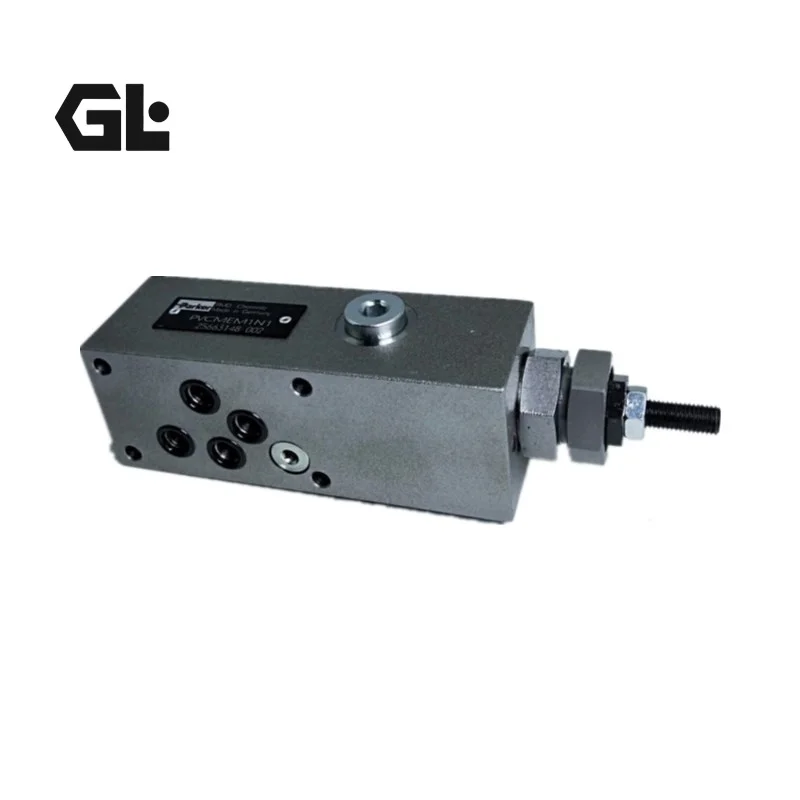
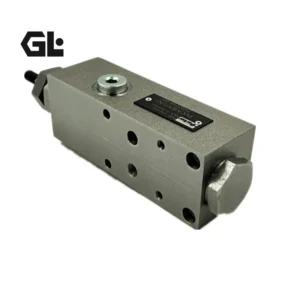
The PVAPVV series preload manifolds are dedicated pressure control accessories engineered by Parker Hannifin for the PV series axial piston pumps. As a preload valve (Vorspannventil) , the PVAPVV series provides the minimum system back pressure (approx. 20 bar) required for proportional-controlled PV variable displacement pumps to reliably regulate displacement under low-load or small-displacement conditions.
The PVAPVV series covers models including PVAPVV41V20, PVAPVV43N20, PVAPVV43V20, PVAPVV44N20, and PVAPVV51N20, featuring ISO 6162 standard flange connections for direct mounting onto the pressure port of PV series pumps. Valve bodies are manufactured from high-strength cast iron with optimized internal flow paths, ensuring minimal pressure loss (<1 bar) across the full flow range.
Our complete range of Parker PVAPVV preload manifolds strictly adheres to OEM technical standards, achieving 100% direct interchangeability with original components. Every unit undergoes 100% simulated operating condition bench testing prior to shipment, ensuring performance parameters are fully consistent with genuine Parker products. Direct replacement significantly reduces equipment downtime and maintenance costs.
⚠️ Product Function Note:
The PVAPVV series is a preload manifold rather than a conventional “pressure regulating valve.” Its core function is to provide stable minimum system back pressure for the proportional displacement control of PV pumps.
Together with the PVCM series (pressure compensator), PVCP series (pressure cutoff), and PVCR series (remote pressure control), the PVAPVV series belongs to the Parker PV pump control accessory family.
⚠️ Model Code Decoding:
PVAPVV = Preload Valve / Vorspannventil
41 / 43 / 44 / 51 = Pump displacement size code (41 ≈ PV140, 43 ≈ PV180, 44 ≈ PV180/270, 51 ≈ PV270)
V / N = Seal material (V = FPM, N = NBR)
20 = Design/thread specification (20 = BSPP metric)
Technical Specifications
PVAPVV Series General Specifications
Product Series: Parker PVAPVV series preload manifold
Product Type: Preload Manifold / Vorspannventil
Brand: Parker Hannifin
Compatible Pump Series: Parker PV series axial piston pumps (PVplus series, Design Series 44-47)
Maximum Operating Pressure: 400 bar
Maximum Flow Capacity: 550 L/min
Cracking Pressure: Approx. 20 bar
Full Opening Pressure: Approx. 25–30 bar system pressure
Pressure Drop at Full Opening: < 1 bar
Mounting Type: Flange connection
Interface Standard: ISO 6162
Mounting Location: Directly on PV pump pressure port
Seal Material: NBR (code N) or FPM/FKM (code V)
Thread Option: BSPP metric (code 20)
Compatible Hydraulic Fluids: Mineral-based hydraulic oils per DIN 51524
Model Specifications Overview
PVAPVV41V20: Compatible with PV140 pump, FPM seals, BSPP thread
PVAPVV43N20: Compatible with PV180 pump, NBR seals, BSPP thread
PVAPVV43V20: Compatible with PV180 pump, FPM seals, BSPP thread
PVAPVV44N20: Compatible with PV180/PV270 pumps, NBR seals, BSPP thread
PVAPVV51N20: Compatible with PV270 pump, NBR seals, BSPP thread
Key Technical Advantages
1. Provides Stable Minimum Back Pressure for Proportional-Controlled PV Pumps
Proportional displacement control of PV series variable pumps relies on pump outlet pressure to overcome return spring force and actuate the displacement control mechanism. Under low-load or small-displacement conditions, the system cannot self-generate sufficient back pressure, preventing proper pump displacement regulation. The PVAPVV preload valve establishes a stable back pressure of approximately 20 bar at the pump outlet, ensuring reliable proportional control functionality under all operating conditions.
2. Minimal Pressure Drop for Maximum System Efficiency
The preload valve exhibits a pressure drop of less than 1 bar when fully open (at system pressures of approximately 25–30 bar). This means that within the normal operating pressure range, the energy loss caused by the preload valve is virtually negligible and does not compromise overall system efficiency.
3. Compact Flange Connection Design for Simplified System Integration
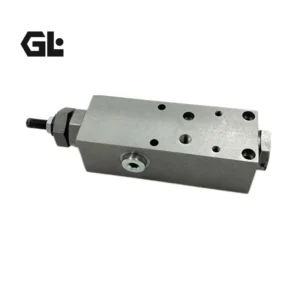
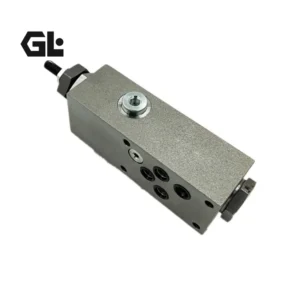
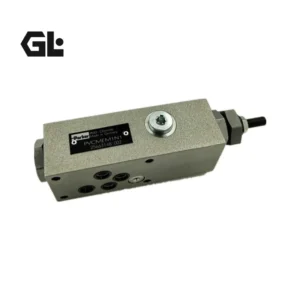
The PVAPVV preload valve features ISO 6162 standard flange connections for direct mounting onto the PV pump pressure port. No additional piping or mounting brackets are required, greatly simplifying system integration. The preload manifold also provides an auxiliary pressure port (Mp1) for supplying pilot control oil to downstream components such as directional valves.
4. Multiple Size Options Covering the Full PV Pump Range
The PVAPVV preload valve is available in 41, 43, 44, and 51 size codes, corresponding to PV140, PV180, and PV270 displacement variants of the PV series. Seal material options include NBR and FPM to accommodate different hydraulic fluid types.
5. 100% Direct Interchangeability and Simulated Condition Testing
All models strictly adhere to Parker original mounting dimensions and interface standards (ISO 6162), enabling direct drop-in replacement of original preload valves without piping modification or system adjustment. Every unit undergoes 100% simulated operating condition bench testing prior to shipment, ensuring consistent, stable performance at rated pressure and flow.
Application Areas
Proportional Displacement Control of PV Series Variable Pumps: Provides stable back pressure for FDV (FPV) proportional displacement control
Low-Load/Small-Displacement Conditions: Applications where the system cannot self-generate sufficient back pressure
Mobile Machinery Hydraulic Systems: PV pump control for excavators, wheel loaders, and other construction equipment
Industrial Hydraulic Systems: PV pump proportional control for injection molding machines, presses, and other equipment
Systems Requiring Pilot Control Oil Supply: Utilizing the Mp1 port of the preload valve to supply pilot oil to directional valves
Expert Maintenance Tips
1. Verify Model and Pump Compatibility Prior to Installation
The PVAPVV preload valve size code (41/43/44/51) is directly correlated with the PV pump displacement. Confirm that the preload valve model matches the pump displacement—for example, PVAPVV41V20 is compatible with PV140 pumps, while PVAPVV51N20 is compatible with PV270 pumps. Mismatched models will result in incorrect flange interface dimensions or insufficient flow capacity.
2. Flange Installation Torque and Sealing
The preload valve features ISO 6162 standard flange connections. Use a torque wrench to evenly tighten flange bolts to the torque values specified in Parker technical manuals. Use OEM-specification O-rings for sealing—inspect seal condition prior to installation and replace if worn or damaged.
3. System Cleanliness Management
The PVAPVV preload valve features precision internal flow paths and demands adequate oil cleanliness. Recommended system cleanliness: ISO 4406 Class 18/16/13 or higher. Thoroughly flush system piping prior to installation.
4. Use of Auxiliary Port (Mp1)
The preload manifold is equipped with an auxiliary pressure port Mp1 for supplying pilot control oil to downstream components such as directional valves. If using this port, ensure that the pilot oil consumption of downstream components remains within the supply capacity of the preload valve to avoid compromising normal preload valve operation.
5. Periodic Functional Checks
Perform functional checks every 2,000 operating hours or annually to verify that the preload valve cracking pressure remains at approximately 20 bar and that pressure drop at full opening is less than 1 bar. If cracking pressure drift or abnormal pressure drop increase is observed, arrange for servicing or replacement.
Related Models:
PVCMCUPKN1
PVAPVC3V
PVAPVC3N
PVAPVC2N
PVAPVC2V
PVCMAPVN3
PVCMAPVV1
PVCMEPVN1
PVCMCPVN1
PVCMAPVN1
PVCMAR1V3
PVCMAF1V3
PVCMAUPV1
PVCMAR1V1
PVCMAF1V1
PVCMARCV3
PVCMARCV1
PVCMAFCV1
PVCMAFCV3
PVCMAR1N3
PVCMAUPN3
PVCMAF1N3
PVCMATFV1
PVCMAUPN1
PVCMEM1N3
PVCMEL1N3
PVCMER1N1
PVCMCM1N3
PVCMAM1N3
PVCMAL1N3
PVCMEF1N1
PVCMERCN3
PVCMERCN1
PVCMCR1N1
PVCMAR1N1
PVCMEFCN1
PVCMAM1V1
PVCMAF1N1
PVCMAC1N1
PVCMARCN3
PVCMARCN1
PVCMCFCN1
PVCMAMCV1
PVCMAFCN1
PVCMACCN1X5929
PVCMAMCV3
PVCMACCN1
PVCMEM1N1
PVCMAFCN3
PVCMEL1N1
PVCMACCN3
PVCMCM1N1
PVCMETFN1
PVCMAM1N1
PVCMAL1N1
PVCMATFN1
PVCMARZN3
PVCMCMCN3
PVCMALCN1
PVCMAMCN3
PVCMALCN3
PVCMARZN1
PVCMAFZN1
PVCMACZN1
PVCMATPV1
PVCMELZN1
PVCMAUSN3
PVCMAUSN1
PVCMCLZN1
PVCMERCV1
PVCMALZN1
PVCMEU2N1
PVCMAMZN1
PVCMATPN1
PVCMAU2N1
PVCMAU2N3
PVCMCU2N1
PVCMERZN1
PVCMECCV1
PVACBLCMN20
PVACBLSMN20
PVACBLTMN20
PVACMS
PVACPC35NL
PVACPC35NS
PVACPC35VS
PVACPC42NS
PVACPC42VS
PVACPUN
PVACPZSN1
PVACRECMN35
PVACRECMN42
PVACRECMV35
PVACRECMV42
PVACRECSN35
PVACREMMN35
PVACREMMN42
PVACREMMV35
PVACREMSN35
PVACREMSN42
PVACREMSV35
PVACRESMN35
PVACRETMN35
PVACRETMV35
PVACRETSN35
PVACREUMN35
PVACREUMN42
PVACREUMV35
PVACREUMV42
PVACREUSN35
PVACUSN
PVACUSV
PVACZ1NS35
PVACZ1NS42
PVACZ1VS35
PVACZ1VS42
PVACZ2NS35
PVACZ2NS42
PVACZ2VS35
PVAC1ECMNLJW
PVAC1ECMNLYW
PVAC1ECMNSJDLJ5
PVAC1ECMNSJWL
PVAC1ECMNSJW35
PVAC1ECMNSJW42
PVAC1ECMNSTW20
PVAC1ECMNSYW35
PVAC1ECMVSJW35
PVAC1ECMVSJW42
PVAC1ECMVSYW35
PVAC1ECSNSJW20
PVAC1ECSNSJW35
PVAC1ECSNSYW35
PVAC1ECSVSJW20
PVAC1EMMNSJW35
PVAC1EMMVSJW35
PVAC1ESMNSJW
PVAC1ESMNSTW
PVAC1ESMNSYW
PVAC1ETMNSJW35
PVAC1ETMVSJW
PVAC1EUMNSJW35
PVAC1EUMNSYW35
PVAC1EUSNSYW35
PVAC1HCMNSJW35
PVAC1PCMNL35
PVAC1PCMNL35X5889
PVAC1PCMNS07
PVAC1PCMNS35
PVAC1PCMNS35X5889
PVAC1PCMNS42
PVAC1PCMVL35
PVAC1PCMVS35
PVAC1PCSNL35
PVAC1PCSNS35
PVAC1PCSNS42
PVAC1PCSVL35
PVAC1PCSVS35
PVAC1PMMNL35
PVAC1PMMNS35
PVAC1PMMNS42
PVAC1PMMVS35
PVAC1PMSNS35
PVAC1PMSVS35
PVAC1PPMNS35
PVAC1PPMNS42
PVAC1PPSNS35
PVAC1PSMNL35
PVAC1PSMNS35
PVAC1PSMNS42
PVAC1PSMVS35
PVAC1PSMVS42
PVAC1PSSNS35
PVAC1PSSNS42
PVAC1PTMNL35
PVAC1PTMNS35
PVAC1PTMVS35
PVAC1PTSNS35
PVAC1PUMNL35
PVAC1PUMNS35
PVAC1PUMNS42
PVAC1PUSNS35
PVAC2ECMNLJW35
PVAC2ECMNSJW35
PVAC2ECMNSJW42
PVAC2ECMNSTW35
PVAC2ECMVSJW35
PVAC2ECSNSJW35
PVAC2ECSNSYW35
PVAC2EMMNSJW35
PVAC2EMMVSJW35
PVAC2ESMNSJW20
PVAC2ESMNSTW35
PVAC2ETMNSJW20
PVAC2EUMNSJW35
PVAC2MCMNLJW35
PVAC2MCMNSJW35
PVAC2MCMNSJW42
PVAC2MCMNSTW20
PVAC2MCMNSYW42
PVAC2MCMVSJW35
PVAC2MCMVSYW20
PVAC2MCSNSJW
PVAC2MMMNSJW35
PVAC2MMMVSJW35
PVAC2MTMNSJW35
PVAC2MTMNSYW35
PVAC2MUMNSJW35
PVAC2PCMNLJW20
PVAC2PCMNSJW35
PVAC2PCMNSJW42
PVAC2PCMNSTW20
PVAC2PCMVSJW35
PVAC2PMMNSJW35
PVAC2PMMNSTW35
PVAC2PSMNSJW35
PVAC2PTMNSJW35
PVAC2PUMNSJW35
PVAC2PUMNSJW42
PVAPKV31N
PVAPSC016N
PVAPVC2N
PVAPVC2V
PVAPVC3N
PVAPVC3V
PVAPVE11N20
PVAPVE13N
PVAPVE21N
PVAPVE21N20
PVAPVE21V20
PVAPVE31N20
PVAPVE33N20
PVAPVE34N20
PVAPVE41N20
PVAPVE44N20
PVAPVE51N20
PVAPVE51V20
PVAPVE53N20
PVAPVE58N20
PVAPVV11N20
PVAPVV13N20
PVAPVV21N20
PVAPVV21V20
PVAPVV23N20
PVAPVV23V20
PVAPVV28N20
PVAPVV31N20
PVAPVV31V20
PVAPVV33N20
PVAPVV33V20
PVAPVV34N20
PVAPVV34V20
PVAPVV41N20
PVAPVV41V20
PVAPVV43N20
PVAPVV43V20
PVAPVV44N20
PVAPVV51N20
PVAPVV53N20
PVCMACCN1
PVCMACCN1X5929
PVCMACCN3
PVCMACZN1
PVCMAC1N1
PVCMAFCN1
PVCMAFCN3
PVCMAFCV1
PVCMAFCV3
PVCMAFZN1
PVCMAF1N1
PVCMAF1N3
PVCMAF1V1
PVCMAF1V3
PVCMALCN1
PVCMALCN3
PVCMALZN1
PVCMAL1N1
PVCMAL1N3
PVCMAMCN1
PVCMAMCN3
PVCMAMCV1
PVCMAMCV3
PVCMAMZN1
PVCMAM1N1
PVCMAM1N3
PVCMAM1V1
PVCMAPVN1
PVCMAPVN3
PVCMAPVV1
PVCMARCN1
PVCMARCN3
PVCMARCV1
PVCMARCV3
PVCMARZN1
PVCMARZN3
PVCMAR1N1
PVCMAR1N3
PVCMAR1V1
PVCMAR1V3
PVCMATFN1
PVCMATFV1
PVCMATPN1
PVCMATPV1
PVCMAUBN1
PVCMAUBN3
PVCMAUBV1
PVCMAUPN1
PVCMAUPN3
PVCMAUPV1
PVCMAUSN1
PVCMAUSN3
PVCMAU2N1
PVCMAU2N3
PVCMCCCN1
PVCMCFCN1
PVCMCKN1
PVCMCKN3
PVCMCKN8
PVCMCKV1
PVCMCKV3
PVCMCKV8
PVCMCLZN1
PVCMCMCN1
PVCMCMCN3
PVCMCM1N1
PVCMCM1N3
PVCMCPVN1
PVCMCR1N1
PVCMCUPKN1
PVCMCU2N1
PVCMECCN1
PVCMECCV1
PVCMEC1N1
PVCMEFCN1
PVCMEF1N1
PVCMELCN1
PVCMELZN1
PVCMEL1N1
PVCMEL1N3
PVCMEMCN3
PVCMEM1N1
PVCMEM1N3
PVCMEPVN1
PVCMERCN1
PVCMERCN3
PVCMER1N1
PVCMESNS
PVCMETFN1
PVCMEU2N1
PVCMPCNS
PVCMEMCN1
PVCMERCV1
PVCMCLCN1
PVCMERZN1
PVAPVC3V
PVAPVC3N
PVAPVC2N
PVAPVC2V
PVCMAPVN3
PVCMAPVV1
PVCMEPVN1
PVCMCPVN1
PVCMAPVN1
PVCMAR1V3
PVCMAF1V3
PVCMAUPV1
PVCMAR1V1
PVCMAF1V1
PVCMARCV3
PVCMARCV1
PVCMAFCV1
PVCMAFCV3
PVCMAR1N3
PVCMAUPN3
PVCMAF1N3
PVCMATFV1
PVCMAUPN1
PVCMEM1N3
PVCMEL1N3
PVCMER1N1
PVCMCM1N3
PVCMAM1N3
PVCMAL1N3
PVCMEF1N1
PVCMERCN3
PVCMERCN1
PVCMCR1N1
PVCMAR1N1
PVCMEFCN1
PVCMAM1V1
PVCMAF1N1
PVCMAC1N1
PVCMARCN3
PVCMARCN1
PVCMCFCN1
PVCMAMCV1
PVCMAFCN1
PVCMACCN1X5929
PVCMAMCV3
PVCMACCN1
PVCMEM1N1
PVCMAFCN3
PVCMEL1N1
PVCMACCN3
PVCMCM1N1
PVCMETFN1
PVCMAM1N1
PVCMAL1N1
PVCMATFN1
PVCMARZN3
PVCMCMCN3
PVCMALCN1
PVCMAMCN3
PVCMALCN3
PVCMARZN1
PVCMAFZN1
PVCMACZN1
PVCMATPV1
PVCMELZN1
PVCMAUSN3
PVCMAUSN1
PVCMCLZN1
PVCMERCV1
PVCMALZN1
PVCMEU2N1
PVCMAMZN1
PVCMATPN1
PVCMAU2N1
PVCMAU2N3
PVCMCU2N1
PVCMERZN1
PVCMECCV1
PVACBLCMN20
PVACBLSMN20
PVACBLTMN20
PVACMS
PVACPC35NL
PVACPC35NS
PVACPC35VS
PVACPC42NS
PVACPC42VS
PVACPUN
PVACPZSN1
PVACRECMN35
PVACRECMN42
PVACRECMV35
PVACRECMV42
PVACRECSN35
PVACREMMN35
PVACREMMN42
PVACREMMV35
PVACREMSN35
PVACREMSN42
PVACREMSV35
PVACRESMN35
PVACRETMN35
PVACRETMV35
PVACRETSN35
PVACREUMN35
PVACREUMN42
PVACREUMV35
PVACREUMV42
PVACREUSN35
PVACUSN
PVACUSV
PVACZ1NS35
PVACZ1NS42
PVACZ1VS35
PVACZ1VS42
PVACZ2NS35
PVACZ2NS42
PVACZ2VS35
PVAC1ECMNLJW
PVAC1ECMNLYW
PVAC1ECMNSJDLJ5
PVAC1ECMNSJWL
PVAC1ECMNSJW35
PVAC1ECMNSJW42
PVAC1ECMNSTW20
PVAC1ECMNSYW35
PVAC1ECMVSJW35
PVAC1ECMVSJW42
PVAC1ECMVSYW35
PVAC1ECSNSJW20
PVAC1ECSNSJW35
PVAC1ECSNSYW35
PVAC1ECSVSJW20
PVAC1EMMNSJW35
PVAC1EMMVSJW35
PVAC1ESMNSJW
PVAC1ESMNSTW
PVAC1ESMNSYW
PVAC1ETMNSJW35
PVAC1ETMVSJW
PVAC1EUMNSJW35
PVAC1EUMNSYW35
PVAC1EUSNSYW35
PVAC1HCMNSJW35
PVAC1PCMNL35
PVAC1PCMNL35X5889
PVAC1PCMNS07
PVAC1PCMNS35
PVAC1PCMNS35X5889
PVAC1PCMNS42
PVAC1PCMVL35
PVAC1PCMVS35
PVAC1PCSNL35
PVAC1PCSNS35
PVAC1PCSNS42
PVAC1PCSVL35
PVAC1PCSVS35
PVAC1PMMNL35
PVAC1PMMNS35
PVAC1PMMNS42
PVAC1PMMVS35
PVAC1PMSNS35
PVAC1PMSVS35
PVAC1PPMNS35
PVAC1PPMNS42
PVAC1PPSNS35
PVAC1PSMNL35
PVAC1PSMNS35
PVAC1PSMNS42
PVAC1PSMVS35
PVAC1PSMVS42
PVAC1PSSNS35
PVAC1PSSNS42
PVAC1PTMNL35
PVAC1PTMNS35
PVAC1PTMVS35
PVAC1PTSNS35
PVAC1PUMNL35
PVAC1PUMNS35
PVAC1PUMNS42
PVAC1PUSNS35
PVAC2ECMNLJW35
PVAC2ECMNSJW35
PVAC2ECMNSJW42
PVAC2ECMNSTW35
PVAC2ECMVSJW35
PVAC2ECSNSJW35
PVAC2ECSNSYW35
PVAC2EMMNSJW35
PVAC2EMMVSJW35
PVAC2ESMNSJW20
PVAC2ESMNSTW35
PVAC2ETMNSJW20
PVAC2EUMNSJW35
PVAC2MCMNLJW35
PVAC2MCMNSJW35
PVAC2MCMNSJW42
PVAC2MCMNSTW20
PVAC2MCMNSYW42
PVAC2MCMVSJW35
PVAC2MCMVSYW20
PVAC2MCSNSJW
PVAC2MMMNSJW35
PVAC2MMMVSJW35
PVAC2MTMNSJW35
PVAC2MTMNSYW35
PVAC2MUMNSJW35
PVAC2PCMNLJW20
PVAC2PCMNSJW35
PVAC2PCMNSJW42
PVAC2PCMNSTW20
PVAC2PCMVSJW35
PVAC2PMMNSJW35
PVAC2PMMNSTW35
PVAC2PSMNSJW35
PVAC2PTMNSJW35
PVAC2PUMNSJW35
PVAC2PUMNSJW42
PVAPKV31N
PVAPSC016N
PVAPVC2N
PVAPVC2V
PVAPVC3N
PVAPVC3V
PVAPVE11N20
PVAPVE13N
PVAPVE21N
PVAPVE21N20
PVAPVE21V20
PVAPVE31N20
PVAPVE33N20
PVAPVE34N20
PVAPVE41N20
PVAPVE44N20
PVAPVE51N20
PVAPVE51V20
PVAPVE53N20
PVAPVE58N20
PVAPVV11N20
PVAPVV13N20
PVAPVV21N20
PVAPVV21V20
PVAPVV23N20
PVAPVV23V20
PVAPVV28N20
PVAPVV31N20
PVAPVV31V20
PVAPVV33N20
PVAPVV33V20
PVAPVV34N20
PVAPVV34V20
PVAPVV41N20
PVAPVV41V20
PVAPVV43N20
PVAPVV43V20
PVAPVV44N20
PVAPVV51N20
PVAPVV53N20
PVCMACCN1
PVCMACCN1X5929
PVCMACCN3
PVCMACZN1
PVCMAC1N1
PVCMAFCN1
PVCMAFCN3
PVCMAFCV1
PVCMAFCV3
PVCMAFZN1
PVCMAF1N1
PVCMAF1N3
PVCMAF1V1
PVCMAF1V3
PVCMALCN1
PVCMALCN3
PVCMALZN1
PVCMAL1N1
PVCMAL1N3
PVCMAMCN1
PVCMAMCN3
PVCMAMCV1
PVCMAMCV3
PVCMAMZN1
PVCMAM1N1
PVCMAM1N3
PVCMAM1V1
PVCMAPVN1
PVCMAPVN3
PVCMAPVV1
PVCMARCN1
PVCMARCN3
PVCMARCV1
PVCMARCV3
PVCMARZN1
PVCMARZN3
PVCMAR1N1
PVCMAR1N3
PVCMAR1V1
PVCMAR1V3
PVCMATFN1
PVCMATFV1
PVCMATPN1
PVCMATPV1
PVCMAUBN1
PVCMAUBN3
PVCMAUBV1
PVCMAUPN1
PVCMAUPN3
PVCMAUPV1
PVCMAUSN1
PVCMAUSN3
PVCMAU2N1
PVCMAU2N3
PVCMCCCN1
PVCMCFCN1
PVCMCKN1
PVCMCKN3
PVCMCKN8
PVCMCKV1
PVCMCKV3
PVCMCKV8
PVCMCLZN1
PVCMCMCN1
PVCMCMCN3
PVCMCM1N1
PVCMCM1N3
PVCMCPVN1
PVCMCR1N1
PVCMCUPKN1
PVCMCU2N1
PVCMECCN1
PVCMECCV1
PVCMEC1N1
PVCMEFCN1
PVCMEF1N1
PVCMELCN1
PVCMELZN1
PVCMEL1N1
PVCMEL1N3
PVCMEMCN3
PVCMEM1N1
PVCMEM1N3
PVCMEPVN1
PVCMERCN1
PVCMERCN3
PVCMER1N1
PVCMESNS
PVCMETFN1
PVCMEU2N1
PVCMPCNS
PVCMEMCN1
PVCMERCV1
PVCMCLCN1
PVCMERZN1