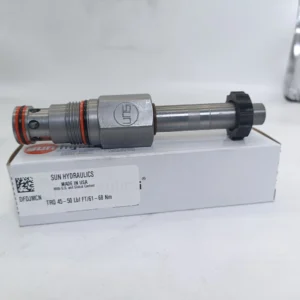
Product Overview
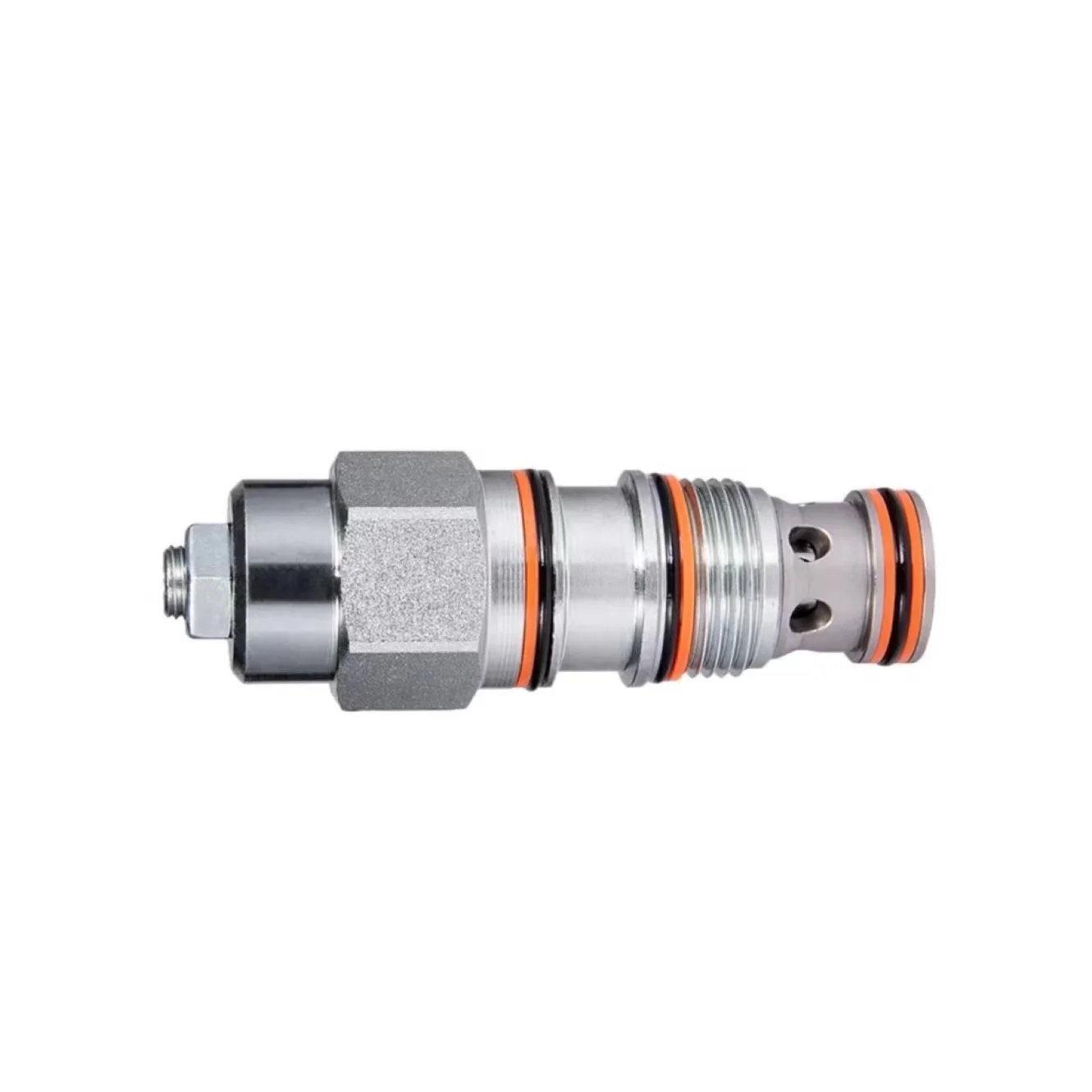
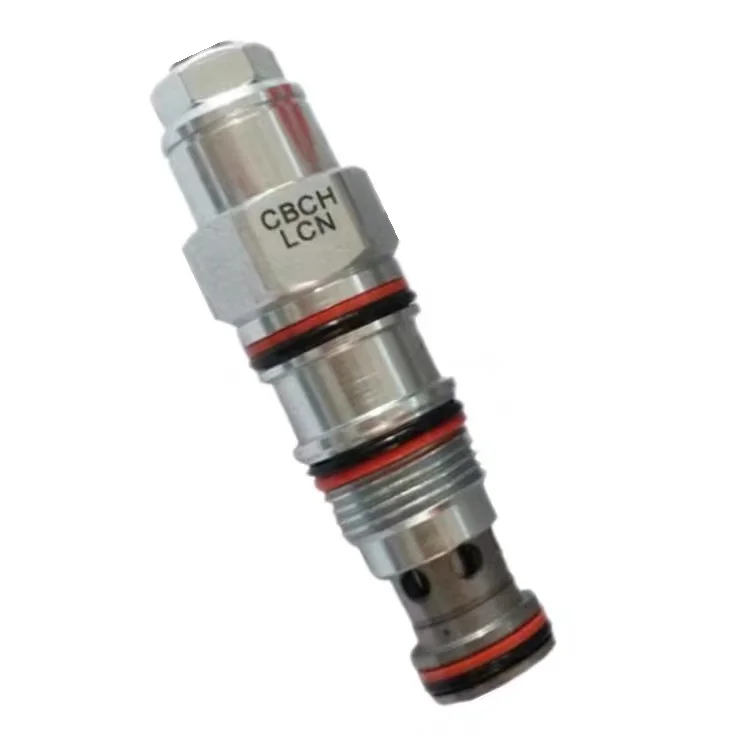
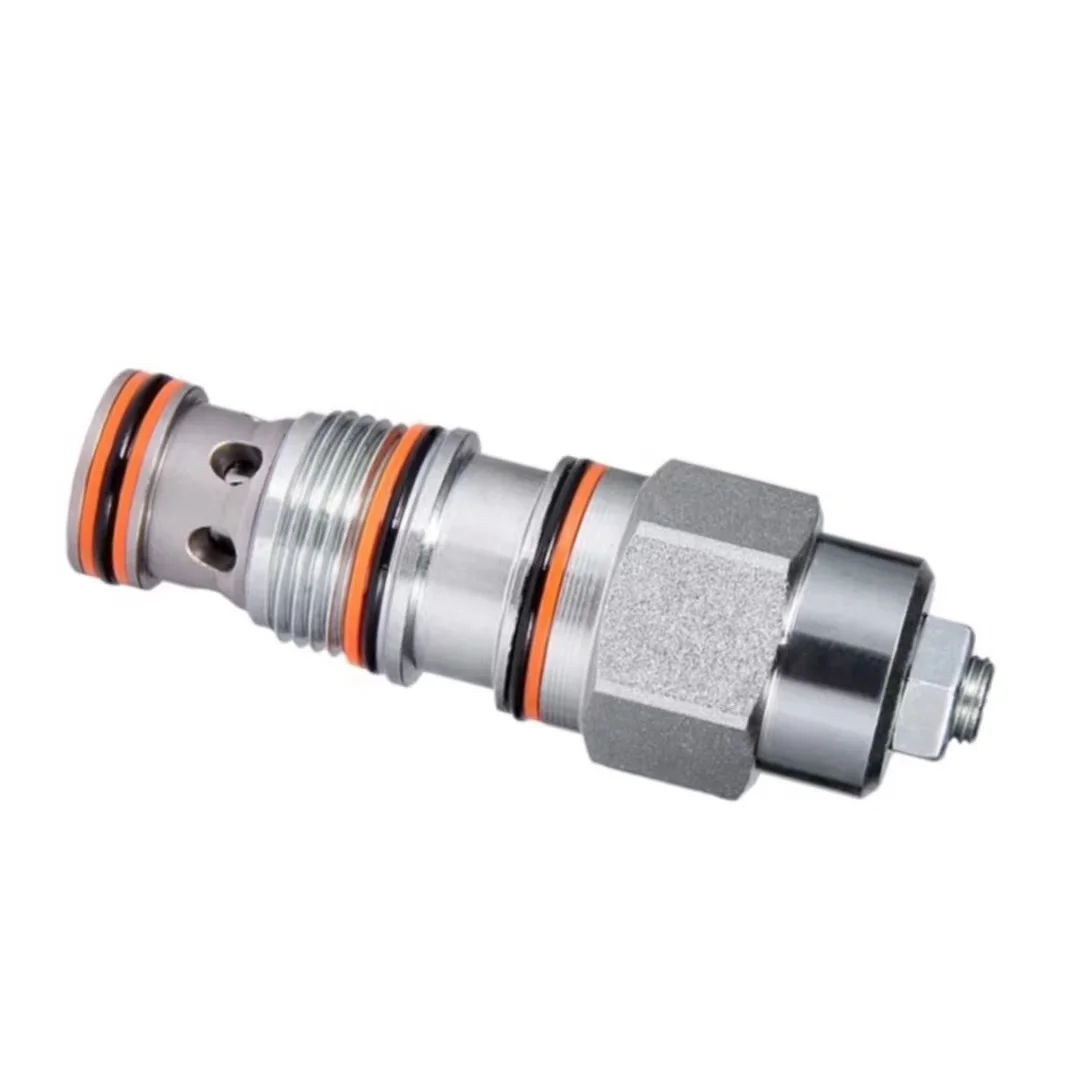
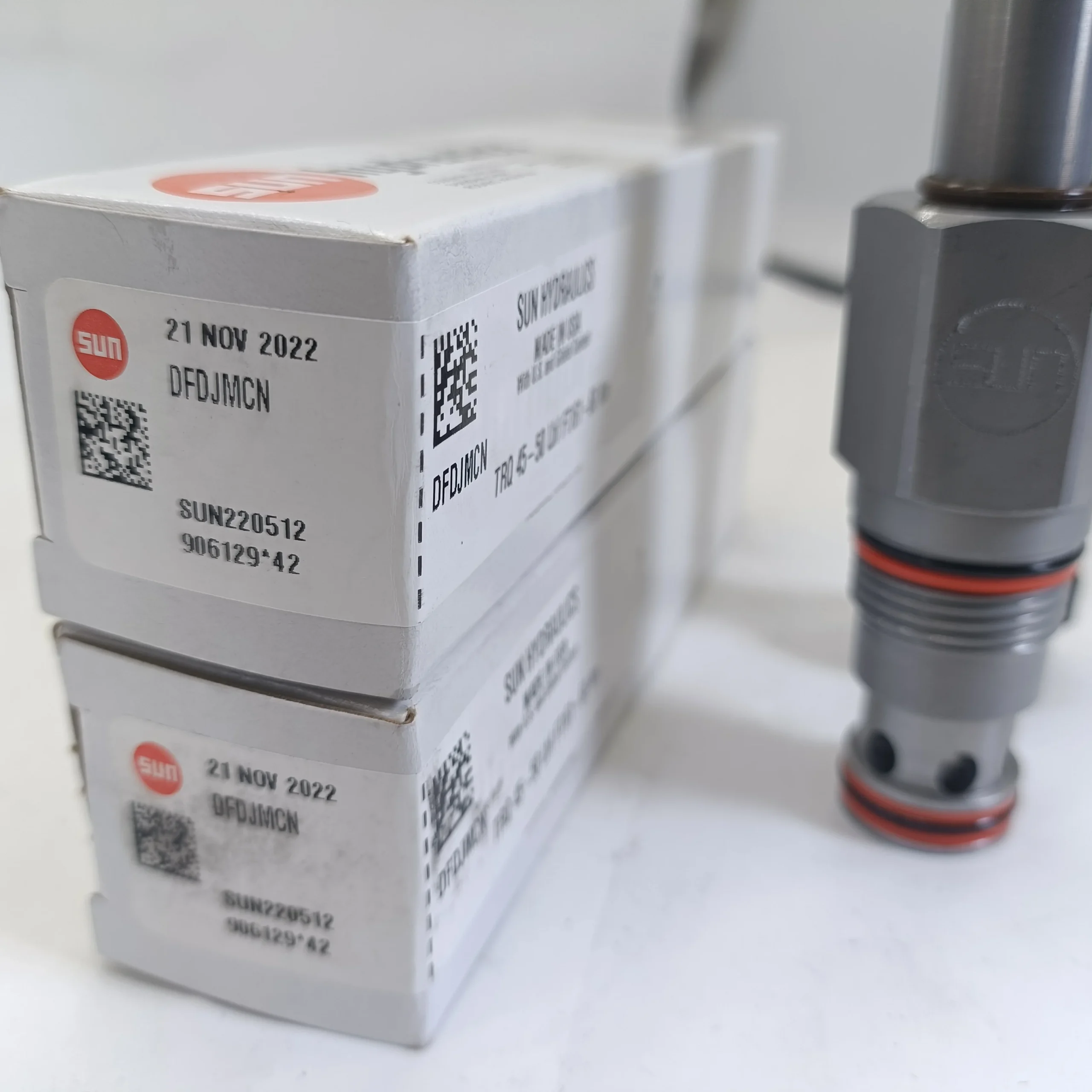
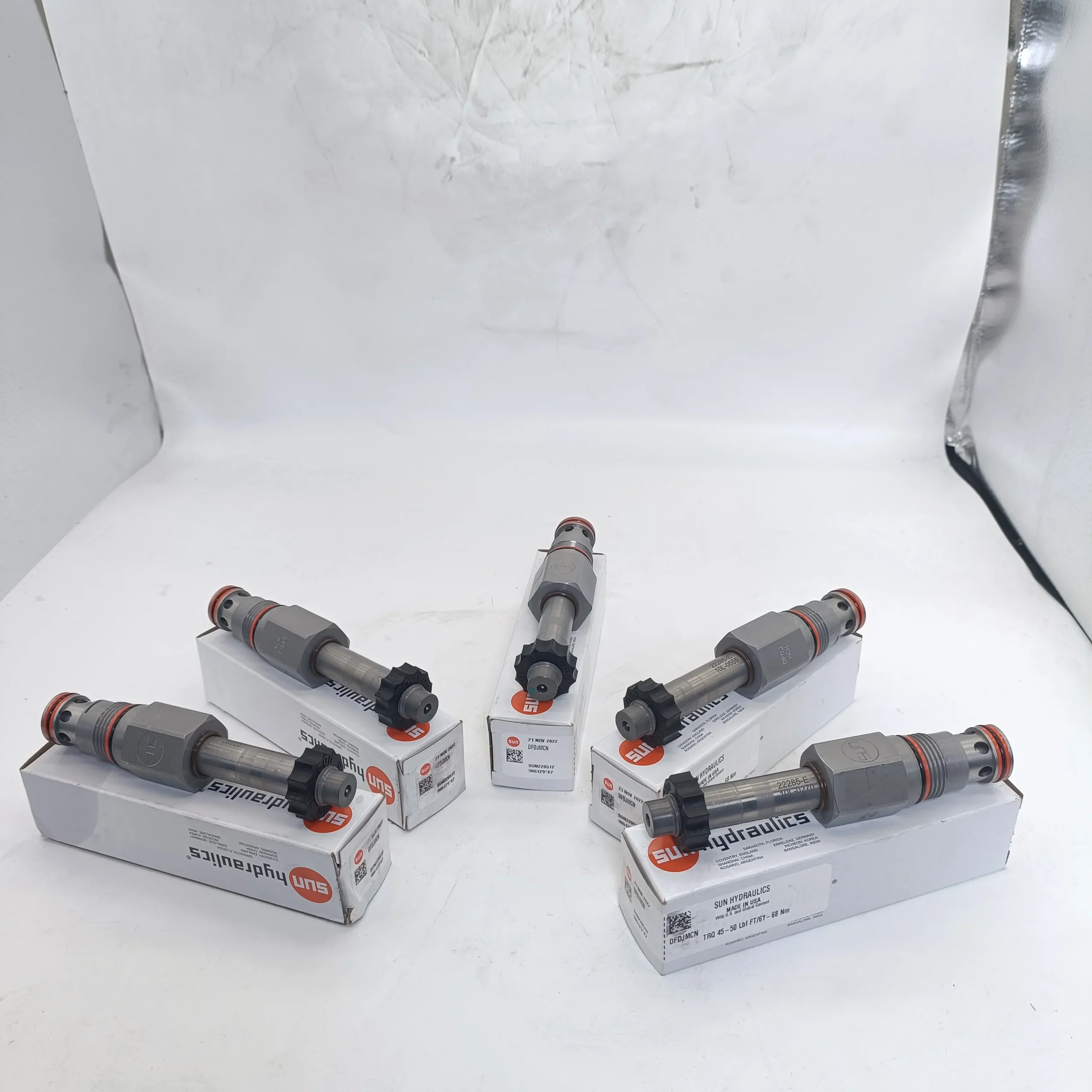
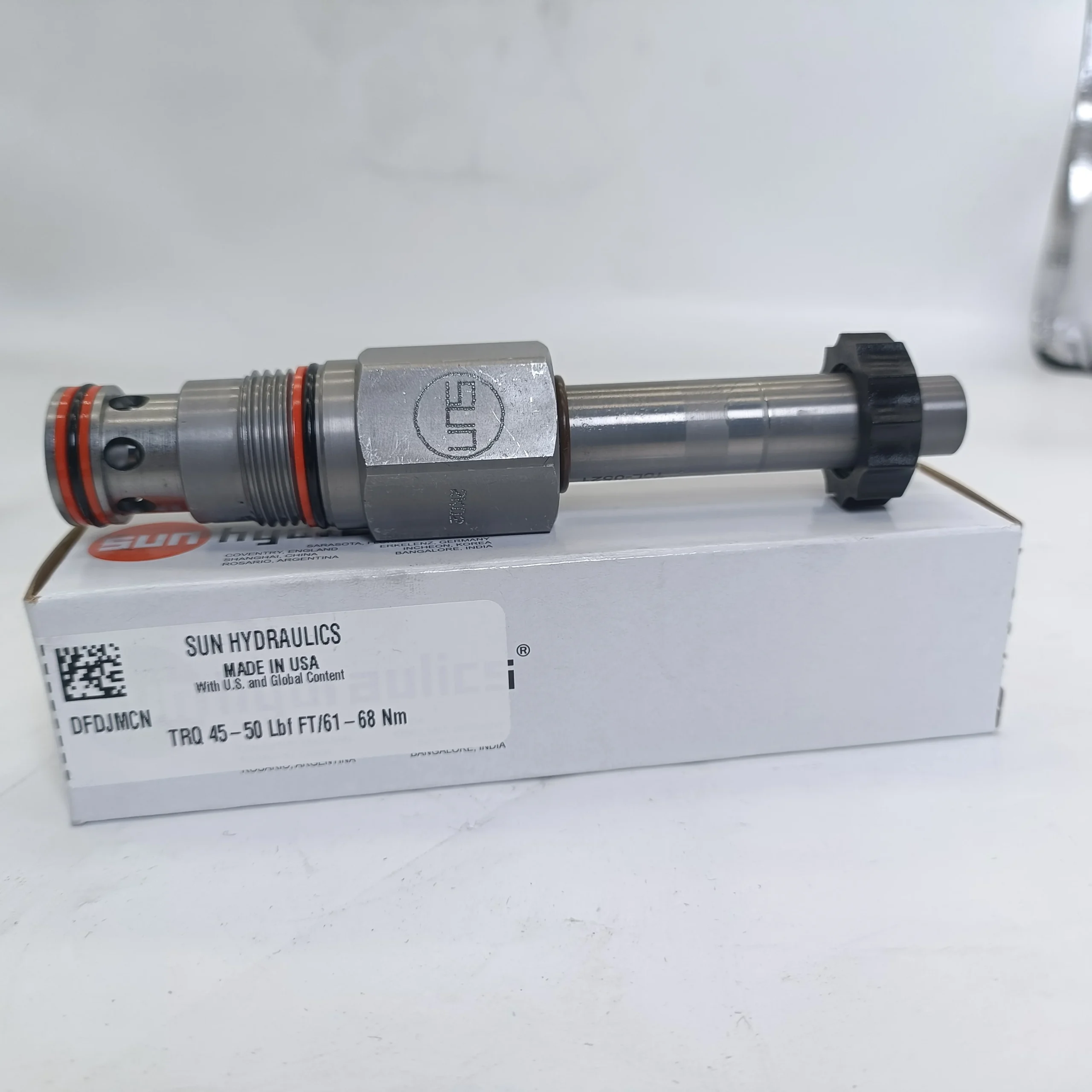
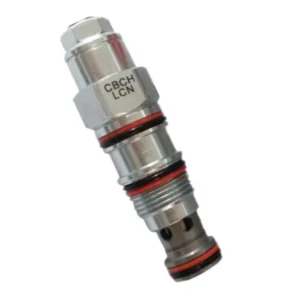
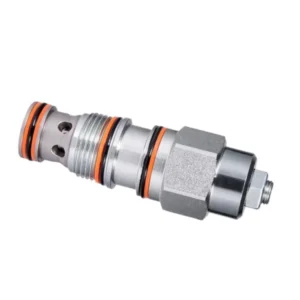
The Sun Hydraulics RPIC-LCN is a pilot-operated, balanced-piston pressure relief cartridge designed for high-performance hydraulic pressure regulation. It uses a T-16A Series 3 cavity and is rated for up to 100 gpm (380 L/min) with a maximum operating pressure of 5000 psi (350 bar). Its standard pressure-adjustment range can extend to 6000 psi (420 bar) depending on the control configuration.
The RPIC-LCN is a normally closed valve. When inlet pressure at Port 1 reaches the pressure setting, the main stage opens toward Port 2 and throttles flow to limit and regulate hydraulic pressure. Sun describes the pilot-operated balanced-piston family as providing smooth operation, low pressure rise versus flow and moderate response speed. The typical response time specified for RPIC-LCN is approximately 10 ms.
The cartridge incorporates Sun’s floating-style construction, which reduces the possibility of internal binding caused by excessive installation torque or manufacturing variation in the cartridge cavity. A 150 μm stainless-steel screen protects the main-stage orifice from contamination.
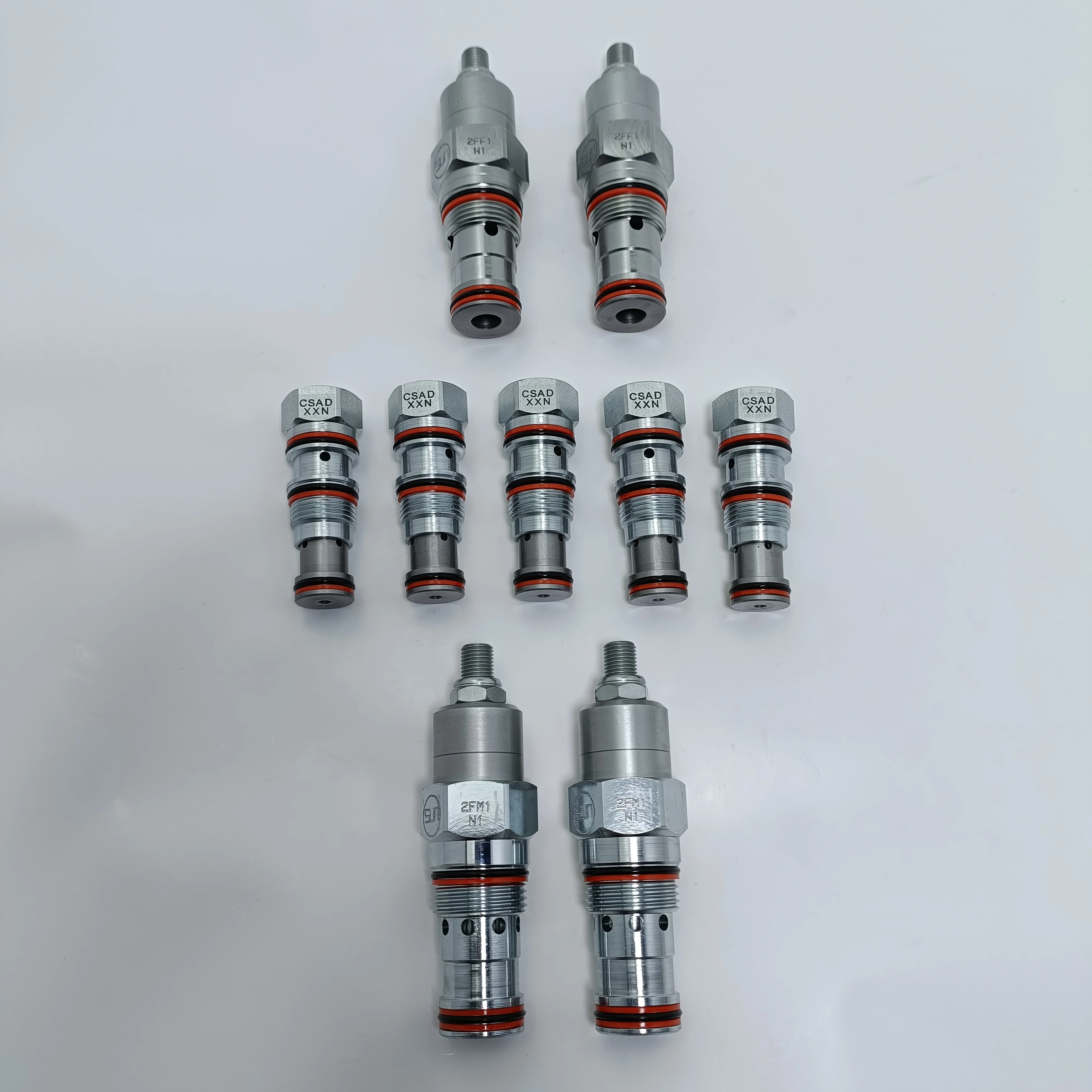
The supplied product group also contains RPKC-LCN, PVJD-LWN, FTFC-XYN and CSAA-BXN. These are not identical valve functions: RPKC is a higher-capacity relief cartridge, PVJD is a pressure reducing cartridge, FTFC is a proportional directional valve and CSAA is a shuttle valve. Treating all of them as generic “pressure relief valves” would result in technically inaccurate product content.
Technical Specifications
RPIC-LCN
- Manufacturer: Sun Hydraulics
- Model: RPIC-LCN
- Function: Pilot-operated balanced-piston relief cartridge
- Cavity: T-16A
- Series: 3
- Capacity: 100 gpm / 380 L/min
- Maximum Operating Pressure: 5000 psi / 350 bar
- Adjustment Range: 150–6000 psi / 10.5–420 bar, depending on control configuration
- Factory Setting Reference: 4 gpm
- Typical Response Time: 10 ms
- Maximum Leakage: 4 in³/min at 1000 psi / 65 cc/min at 70 bar
- Valve Head Hex: 1-1/4 in / 31.8 mm
- Installation Torque: 150–160 lbf·ft / 200–215 Nm
- Adjustment Screw Hex: 5/32 in / 4 mm
- Adjustment Nut Hex: 9/16 in / 15 mm
- Model Weight: approximately 1.20 lb / 0.55 kg
- Seal: Buna-N standard; Viton option available
- Port 2: Can accept maximum pressure; suitable for cross-port relief applications with leakage considerations.
RPKC-LCN
- Function: Pilot-operated balanced-piston relief cartridge
- Cavity: T-18A
- Series: 4
- Capacity: 200 gpm / 760 L/min
- Maximum Operating Pressure: 5000 psi / 350 bar
- Adjustment Range: up to 420 bar for the standard L configuration
- Typical Response Time: 10 ms
- Maximum Leakage: 5 in³/min at 1000 psi / 80 cc/min at 70 bar
- Valve Head Hex: 1-5/8 in / 41.3 mm
- Installation Torque: 350–375 lbf·ft / 474–508 Nm
- Adjustment Screw Hex: 5/32 in / 4 mm
- Locknut Hex: 9/16 in / 15 mm
- Model Weight: approximately 2.50 lb / 1.15 kg
- Seal: Configuration-dependent, including Buna-N and Viton options
PVJD-LWN
- Function: Pilot-operated pressure reducing valve
- Cavity: T-24A
- Series: 4
- Nominal Capacity: 320 L/min / 80 gpm
- Maximum Operating Pressure: 350 bar
- Referenced Setting: 315 bar
- Pilot Flow: approximately 0.25–0.33 L/min
- Adjustment: approximately five clockwise turns
- Temperature: approximately -20 to +80 °C in the referenced configuration
- Application: downstream pressure regulation
- Important Classification: Pressure reducing valve, not a primary relief valve.
FTFC-XYN
- Function: 4-way, 3-position meter-in proportional directional valve
- Cavity: T-53A
- Series: 3
- Capacity: 35 gpm / approximately 140 L/min
- Maximum Operating Pressure: 5000 psi / approximately 350 bar
- Control: X = not adjustable
- Spool: Y = A and B to T center
- Pilot Volume Displacement: 0.11 in³ / 1.8 cc
- Hysteresis: approximately ±2%
- Valve Head Hex: 1-1/4 in / 31.8 mm
- Installation Torque: 150–160 lbf·ft / 200–215 Nm
- Model Weight: approximately 3.10 lb / 1.40 kg
- Seal: Buna-N standard / Viton option
CSAA-BXN
- Correct Model Format: CSAA-BXN
- Function: Single-ball shuttle valve
- Cavity: T-13A
- Capacity: 2.5 gpm / 10 L/min
- Maximum Operating Pressure: 5000 psi / 350 bar
- Maximum Leakage: approximately 5 drops/min
- Control: B = external signal port
- Adjustment: X = not adjustable
- Seal: N = Buna-N
- Internal Components: Hardened steel ball and seat
- Typical Installation Torque: 30–35 lb·ft
Key Technical Advantages
1. Balanced-Piston Pressure Regulation
RPIC-LCN and RPKC-LCN use pilot-operated balanced-piston architectures to provide controlled pressure regulation with relatively low pressure rise versus flow and smooth operating behavior.
2. High-Flow Cartridge Platform
The Sun family covers very different flow classes:
- RPIC-LCN: 380 L/min
- RPKC-LCN: 760 L/min
- PVJD: 320 L/min
- FTFC-XYN: approximately 140 L/min
- CSAA-BXN: 10 L/min
This allows hydraulic engineers to select the correct cartridge architecture according to both function and required flow.
3. Floating-Style Cartridge Construction
Sun’s floating-style construction is designed to reduce internal binding caused by excessive installation torque and dimensional variation between the cartridge and cavity. This is particularly valuable in service environments where repeated cartridge replacement is required.
4. Hardened Ball-and-Seat Construction
CSAA-BXN uses a hardened steel ball and seat to provide wear resistance and improved contamination tolerance in pressure-signal shuttle applications.
5. Protected Main-Stage Orifice
RPIC-LCN and RPKC-LCN incorporate a 150 μm stainless-steel screen to help protect critical internal control passages from contamination.
6. Manifold Integration
Cartridge construction allows the valve to be installed directly into a machined manifold, reducing external piping and enabling compact hydraulic power-unit architectures. RPIC-LCN uses T-16A, RPKC-LCN T-18A, PVJD T-24A and FTFC T-53A cavities.
7. Defined Installation Torque
Sun provides application-specific installation torque values, which are essential for maintaining correct cartridge-to-cavity mechanical behavior. RPIC-LCN requires approximately 200–215 Nm, while RPKC-LCN requires approximately 474–508 Nm.
Application Areas
RPIC-LCN / RPKC-LCN
- Main hydraulic pump pressure protection
- Hydrostatic transmissions
- Cross-port relief circuits
- Mobile hydraulic machinery
- Hydraulic power units
- High-flow manifolds
- Hydraulic presses
- Winch and drive systems
- Industrial pressure-control circuits
Sun documentation specifically shows RPIC-based configurations used in hydrostatic transmission assemblies for overload protection of the main circuit.
PVJD-LWN
- Pressure-reducing circuits
- Auxiliary hydraulic branches
- Multi-pressure hydraulic systems
- Manifold-based pressure regulation
- Industrial hydraulic power units
FTFC-XYN
- Proportional actuator control
- Industrial motion control
- Hydraulic automation
- Variable-flow actuator systems
- Closed-loop hydraulic control
CSAA-BXN
- Hydraulic signal selection
- Load-sensing logic
- Brake-release signal circuits
- Shuttle circuits
- Hydrostatic transmission control
Sun’s shuttle documentation identifies CSAA-family cartridges as devices for selecting and transmitting hydraulic pressure signals.
Expert Maintenance Tips
Verify the cavity first.
A Sun cartridge is only a potential replacement when the cavity, function and configuration match. RPIC-LCN uses T-16A; RPKC-LCN uses T-18A; PVJD uses T-24A; FTFC uses T-53A.
Use the specified installation torque.
Incorrect torque can influence cartridge seating and may increase the risk of internal binding. RPIC-LCN is approximately 200–215 Nm, while RPKC-LCN is approximately 474–508 Nm.
Separate pressure adjustment range from maximum working pressure.
RPIC-LCN can have an adjustment range extending to 420 bar while its maximum operating pressure is 350 bar. These values serve different engineering purposes and must not be presented as interchangeable specifications.
Do not use RPIC-LCN as a dedicated load-holding valve.
Sun states that these relief cartridges are not recommended for load-holding applications because spool leakage can occur. A dedicated counterbalance or pilot-to-close load-holding valve should be selected when load retention is required.
Account for back pressure in cross-port relief circuits.
Back pressure at Port 2 adds directly to the valve setting on a 1:1 basis. Pressure-setting procedures should therefore account for actual tank-port pressure.
Verify the complete ordering code before replacement.
Check cavity, function, capacity, control, pressure range, seal material, coating, schematic and installation torque. This is particularly important when distinguishing shuttle configurations such as CSAA-BXN and other CS-series variants.
Use simulated working-condition testing for replacement valves.
For an engineering replacement program, verify pressure setting, flow behavior, leakage, response, switching function and thermal stability under representative operating conditions. This provides a stronger basis for in-place interchangeability than dimensional matching alone.