


PVH57QIC-RF-1S-10-C25-31-57 Eaton Vickers Piston Pump 57cc
| Model Number | PVH57QIC-RF-1S-10-C25-31-57 |
|---|
SKU
N/A
Categories Hydraulic Pump, Piston Pump
Product Description
Product Overview
The PVH57QIC-RF-1S-10-C25-31-57 is an Eaton Vickers PVH Series size 57 open-circuit variable displacement axial piston pump with a nominal displacement of 57.4 cm³/rev (3.5 in³/rev), rated continuous working pressure of 250 bar (3625 psi), intermittent peak pressure of 280 bar (4060 psi), rated speed of 1800 rpm, rated flow of 98 L/min (26 gpm), basic pump weight of approximately 30–36 kg (66–79 lbs), and through-drive pump (SAE A) weight of approximately 31–37 kg (68–82 lbs).
The PVH Series is Eaton Vickers’ classic industrial and mobile dual-purpose heavy-duty piston pump platform, covering displacements from 57 to 141 cm³/rev, including PVH57, PVH63, PVH74, PVH81, PVH98, PVH106, PVH131, and PVH141. The series features high-strength cast iron housing, quiet design, and modular controls as core engineering characteristics, widely deployed in machine tools, injection molding machines, die-casting machines, construction machinery, mining equipment, and material handling equipment.
The model code decodes as follows: “PVH” represents the heavy-duty swashplate axial variable piston pump, industrial/mobile dual-purpose; “57” denotes nominal displacement of 57.4 cm³/rev; “Q” specifies quiet structure optimized for industrial low-noise environments; “I” specifies load sensing + pressure compensation combined control (Industrial Control), enabling on-demand oil supply and overload prevention; “C” specifies pressure compensator control configuration; “R” indicates right-hand rotation (clockwise, viewed from shaft end); “F” specifies SAE-C flange mounting; “1S-10” specifies standard through-shaft structure, basic variable mechanism; “C25” specifies rated pressure rating 250 bar (25 MPa); “31-57” specifies custom seals, port direction, and factory calibration parameters.
The pump employs a swashplate-type axial piston design, achieving suction and pressure strokes through reciprocating piston movement within the cylinder block. The cylinder block is rotated by the drive shaft, with pistons connected through piston shoes and a shoe plate bearing against an angled swashplate. In variable displacement models, the swashplate is installed in a movable yoke; pivoting the yoke on pintles changes the swashplate angle to increase or decrease the piston stroke. The PVH Series replaces the pintle bearing assembly with saddle bearings, which reduces weight and eliminates the roller bearings that added to maintenance time and overhaul costs.
The PVH57QIC-RF-1S-10-C25-31-57 features an SAE-C four-bolt mounting flange (SAE J744-127-4) and SAE-C 1-1/4 inch keyed shaft (5/16 inch key), with SAE Code 61 flange ports (2-inch inlet / 1-inch outlet) and #8 O-ring case drain ports. The pump’s mounting flange, shaft specifications, and port layouts conform to Eaton Vickers PVH Series standards, enabling drop-in interchangeability with same-series PVH57QIC configurations.
Every PVH57QIC-RF-1S-10-C25-31-57 undergoes 100% simulated duty-cycle testing prior to shipment — covering pressure holding, flow output, compensator response, and internal leakage — ensuring complete drop-in interchangeability with original Eaton Vickers products without installation or plumbing modifications.
Technical Specifications
Model: PVH57QIC-RF-1S-10-C25-31-57
Brand: Eaton Vickers
Series: PVH Series, size 57
Pump Type: Open-circuit swashplate axial variable displacement piston pump
Nominal Displacement: 57.4 cm³/rev (3.5 in³/rev)
Rated Continuous Pressure: 250 bar (3625 psi / 25 MPa)
Intermittent Peak Pressure: 280 bar (4060 psi)
Rated Speed: 1800 rpm
Rated Flow: 98 L/min (26 gpm)
Maximum Speed: 2400 rpm (standard anti-wear petroleum base fluids)
Control Type: QIC load sensing + pressure compensation (LS + PC)
Load Sensing Differential (Δp) Standard Setting: 20 bar (290 psi), adjustable 17–35 bar (246–507 psi)
Direction of Rotation: R (right-hand, clockwise, viewed from shaft end)
Mounting Flange: SAE-C four-bolt flange (SAE J744-127-4)
Shaft Type: SAE-C 1-1/4 inch keyed shaft, 5/16 inch key
Inlet Port: 2-inch SAE Code 61 flange
Outlet Port: 1-inch SAE Code 61 flange
Case Drain Ports: #8 O-ring port
Seals: NBR (Nitrile)
Housing Material: High-strength cast iron
Basic Pump Weight: Approx. 30–36 kg (66–79 lbs)
Through-Drive Pump Weight (SAE A): Approx. 31–37 kg (68–82 lbs)
Recommended Fluid: ISO VG46 / VG68 anti-wear hydraulic oil
Maximum Operating Temperature: 95 ℃ (203 ℉)
Inlet Pressure: Absolute pressure ≥ 0.8 bar
PVH Series Same-Family Displacement Reference (250 bar rated conditions):
PVH057: 57.4 cm³/rev (3.5 in³/rev), flow at 1800 rpm 98 L/min, 250 bar rated, basic pump weight 30–36 kg
PVH063: 63.1 cm³/rev (3.85 in³/rev), flow at 1800 rpm 102 L/min, 230 bar rated
PVH074: 73.7 cm³/rev (4.5 in³/rev), flow at 1800 rpm 140 L/min, 250 bar rated, basic pump weight 39–45 kg
PVH081: 81.0 cm³/rev (4.94 in³/rev), flow at 1800 rpm 186 L/min, 230 bar rated
PVH098: 98.3 cm³/rev (6.0 in³/rev), flow at 1800 rpm 170 L/min, 250 bar rated, basic pump weight 43–49 kg
PVH106: 106.5 cm³/rev (6.5 in³/rev), flow at 1800 rpm 183 L/min, 230 bar rated
PVH131: 131.1 cm³/rev (8.0 in³/rev), flow at 1800 rpm 223 L/min, 250 bar rated, basic pump weight 60–66 kg
PVH141: 141.1 cm³/rev (8.6 in³/rev), flow at 1800 rpm 236 L/min, 230 bar rated
Data based on Eaton Vickers PVH Series official technical specifications.
PVH Series Alternate Fluid Ratings:
Petroleum base fluids: Max 250 bar (3625 psi), max 2400 rpm, max 95 ℃
Polyolester: Max 230 bar (3335 psi), max 65 ℃
Phosphate Ester: Max 230 bar (3335 psi), max 65 ℃
Water Glycol: Max 170 bar (2465 psi), max 50 ℃
90-10 HWBF: Max 155 bar (2247 psi), max 50 ℃
Environmentally Friendly Vegetable Base: Max 250 bar (3625 psi), max 65 ℃
Environmentally Friendly Synthetic Base: Max 250 bar (3625 psi), max 95 ℃
Key Technical Advantages
1. QIC Load Sensing + Pressure Compensation Combined Control — On-Demand Flow and System Energy Savings
The PVH57QIC-RF-1S-10-C25-31-57 features QIC load sensing + pressure compensation combined control, integrating load sensing (LS) and pressure compensation (PC) functions in a single controller. The load sensing function automatically adjusts pump displacement by sensing actuator load pressure, precisely matching output flow to actual system demand; pressure compensation automatically reduces displacement to only leakage flow when system pressure reaches the set point, eliminating relief losses. This control method supports automatic flow distribution during simultaneous multi-actuator operations, delivering significant energy savings and lower system heat generation. The pump also features a remote pressure adjustment interface (C code) for remote adjustment of the pressure compensator setting to meet system pressure requirements under different operating conditions. The load sensing differential is factory set at 20 bar (290 psi), adjustable from 17 to 35 bar (246–507 psi).
2. Quiet Q-Type Structure — Low-Noise Industrial Environment Optimization
The “Q” code in the PVH Series represents quiet structure optimization, significantly reducing noise levels below standard designs by minimizing flow pulsation and fluid-borne noise in industrial environments. This optimization is achieved through precision-machined valve plate flow passages, optimized piston kinematics parameters, and rigid compact housing structure. For injection molding workshops, precision machine tools, and other indoor industrial environments with stringent acoustic requirements, the Q-type structure PVH57QIC pump offers significant acoustic advantages, helping to improve working environments and meet noise regulation requirements.
3. High Volumetric and Overall Efficiency — Precision Engineering Control
The PVH57QIC-RF-1S-10-C25-31-57 delivers volumetric efficiency ≥ 94% and overall efficiency ≥ 90%, leading among comparable products. The swashplate axial piston design with precision-machined piston assemblies and valve plates effectively reduces internal leakage, ensuring stable flow output over extended operation. The pump features a high-strength cast iron housing and optimized rotary group, maintaining stable operation at 250 bar continuous working pressure. The pump supports mineral oil, synthetic hydrocarbon oil, and other hydraulic media, with excellent adaptability to alternate fluids (polyol ester, water glycol, thickened HWBF).
4. Saddle Bearings and Compact Structure — Lightweight and Long Life
The PVH Series replaces the pintle bearing assembly with saddle bearings, which reduces weight and eliminates the roller bearings that added to maintenance time and overhaul costs. The pump body is constructed from high-strength cast iron, with basic pump weight of approximately 30–36 kg at 57.4 cm³/rev displacement, and through-drive pump (SAE A) weight of approximately 31–37 kg. The pump features modular design supporting through-shaft and tandem connection, enabling installation of gear pumps or same-series piston pumps on the same drive shaft for compact multi-circuit hydraulic system integration. SAE-C flange mounting, SAE-C standard shaft, and SAE Code 61 flange ports are standard configurations, enabling simple installation and direct coupling with industrial motors or mobile machinery drive systems.
5. Exceptional Field Interchangeability and Series Selection
The PVH57QIC-RF-1S-10-C25-31-57 features mounting flange (SAE-C four-bolt), shaft specifications (SAE-C 1-1/4 inch keyed shaft), and port layouts conforming to Eaton Vickers PVH Series standards, enabling drop-in interchangeability with same-series PVH57QIC configurations (such as PVH57QIC-RF-2S-11-CM731). The PVH Series covers a wide displacement range of 57–141 cm³/rev within a shared mounting flange system, offering QIC (pressure compensation + load sensing), QIW (load sensing), QIS (proportional control), and other control options for flexible selection in system design and equipment maintenance.
Application Areas
Small-to-Medium Injection Molding Machines: Main pump for clamping, injection, and holding pressure circuits, with QIC control enabling on-demand flow and energy-efficient operation
Die-Casting Machines: Shot and intensification system auxiliary hydraulic circuits, with high pressure and large flow meeting fast shot demands
Hydraulic Presses: Four-column hydraulic press, bending machine, and forging equipment power sources
Machine Tools and Tool Machines: CNC lathes, machining centers, and grinding machine clamping, feed, and tailstock drive hydraulic systems
Construction Machinery: Small excavator, loader, skid steer loader, and aerial work platform hydraulic systems
Mining Machinery: Mining equipment hydraulic power systems
Metallurgical Equipment: Rolling mill, forging equipment, and continuous casting machine hydraulic power stations
Marine and Offshore: Deck machinery, winch, and steering gear hydraulic systems
Material Handling Equipment: Medium forklift and telehandler hydraulic power units
The PVH57QIC-RF-1S-10-C25-31-57 is ideally suited for industrial hydraulic systems requiring 250 bar continuous working pressure and displacements in the 57 cm³/rev range — the classic configuration for injection molding machine and press hydraulic power units.
Expert Maintenance Tips
1. Shaft Alignment and Coupling Requirements
Maintain concentricity between the pump shaft and drive shaft within 0.05 mm. Flexible couplings are strongly recommended to accommodate minor angular misalignment. The PVH57QIC-RF-1S-10-C25-31-57 features SAE-C four-bolt mounting flange (SAE J744-127-4) and SAE-C 1-1/4 inch keyed shaft (5/16 inch key) — never strike the shaft end during installation to avoid damaging internal seals and bearings. Tighten mounting flange bolts to SAE standard torque of 25–30 Nm to prevent leakage and deformation. Couplings must be equipped with protective guards. Motor-to-pump shaft alignment should be checked after installation and again after 500 hours of operation.
2. Pre-Start Priming Procedure (Mandatory)
Before initial startup, the pump must be slowly filled through the case drain port with clean, pre-filtered anti-wear petroleum-based hydraulic fluid to ensure adequate lubrication, cooling, and sealing during startup. Operating an axial piston pump dry — even for a few seconds — will score the swashplate, valve plate, and piston slippers, causing immediate total pressure loss and irreversible damage. Start the pump in jog mode until the pump and piping are sufficiently filled and vented. After complete venting, run at low pressure for 5–10 minutes, then gradually increase to rated pressure. The case drain must be on top of the pump, with a separate line unrestricted to the reservoir extending below the oil level.
3. QIC Controller Commissioning
Commission the QIC load sensing + pressure compensation controller ensuring coordination between load sensing differential and pressure compensation setting. The load sensing differential is factory set at 20 bar (290 psi), adjustable from 17 to 35 bar (246–507 psi). The pressure compensation setting should be at least 10–15 bar below the system relief valve setting. The C code indicates the pump features a remote pressure adjustment interface, allowing flexible adjustment of the compensator setting through remote pressure relief valves. During commissioning, first turn the pressure setting screw to the lowest pressure position, then gradually increase to the target pressure. In multi-pump systems, stagger the compensator settings to prevent simultaneous adjustment-induced pressure oscillation.
4. Fluid Cleanliness and Filtration
The PVH57QIC-RF-1S-10-C25-31-57 requires fluid cleanliness of ISO 4406 18/16/13. ISO VG46 or VG68 anti-wear hydraulic oil is recommended, with maximum operating temperature of 95 ℃. Use pressure line filters with a filtration ratio β10 ≥ 75 (per ISO 4572). Suction filtration accuracy ≤100 μm, pressure side filtration accuracy ≤10 μm. Avoid suction filters, which increase suction resistance and cavitation risk. Inlet pressure should be maintained at absolute pressure ≥ 0.8 bar.
5. Restart Procedure After Extended Shutdown
If the pump has been idle for more than 30 days, manually rotate the shaft several turns to verify free rotation before restarting. Check for abnormal leakage at the case drain port. After startup, operate at low pressure for 10–15 minutes until oil temperature reaches normal operating range before applying full load. Regularly inspect the keyed shaft (5/16 inch key) engagement with the drive coupling, ensuring sufficient keyway engagement length (at least 2/3 of the coupling width). When using alternate fluids (water glycol, polyol ester), verify seal material compatibility and reduce operating pressure and temperature limits accordingly.


Company Profile

Frequently Asked Questions
1.What ls our Main Products?
1.Hydraulic pump
2.Hydraulic valve
3.Hydraulic motor
4.Hydraulic cylinder
5.Hydraulic parts
2. What about the MOQ?
3.What are your advantages?
- Adhere to quality first.
- Support customization, ODM & OEM service.
- 1-year warranty and complete after-sales support.
- Safe and fast shipping worldwide.
- 24-hour online service for your inquiries.
4.Are you a manufacturer? What’s your delivery time?
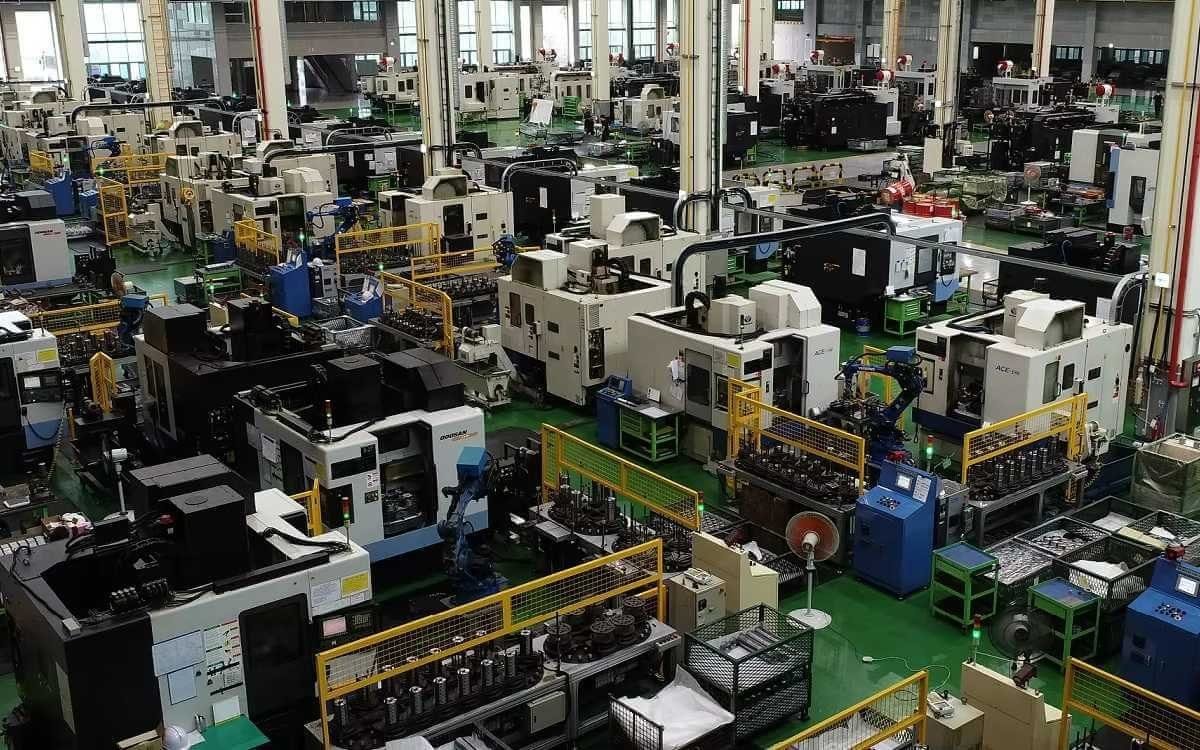
Yes, we are a manufacturer with our own factory.
Common models are in stock, and orders are usually shipped within 1–3 days.
5.Which payment methods are accepted?
We accept T/T, L/C, PayPal, VISA, Western Union, Apple Pay, Google Pay, Afterpay (Clearpay), Klarna, and Trade Assurance.
For full orders: 30% deposit, balance before shipment.
For small/sample orders: full payment in advance.
6.How will you deliver my goods?
We offer flexible shipping options: DHL, UPS, FedEx, TNT, EMS, as well as air or sea freight.
All deliveries ensure door-to-door fast and safe service.
7.How do you inspect and guarantee your products?
All products are tested before shipment to ensure perfect working condition.
We offer a 12-month warranty — if a product fails due to quality issues, we provide free spare parts or repair support.
8.What about after-sales service?
If you encounter any problem during use, please contact your sales manager or our support team at any time.
We will respond quickly and help solve the issue efficiently.
9.What are your main applications?
- Hydraulic systems
- Agricultural machinery
- Construction machinery
- Automobile industry
- Local distributors and maintenance centers
10.Can I get a discount for bulk orders?
Yes. We offer competitive wholesale prices and try our best to give benefits to long-term partners.
Shoot Us An Email
Professional Manufacturer