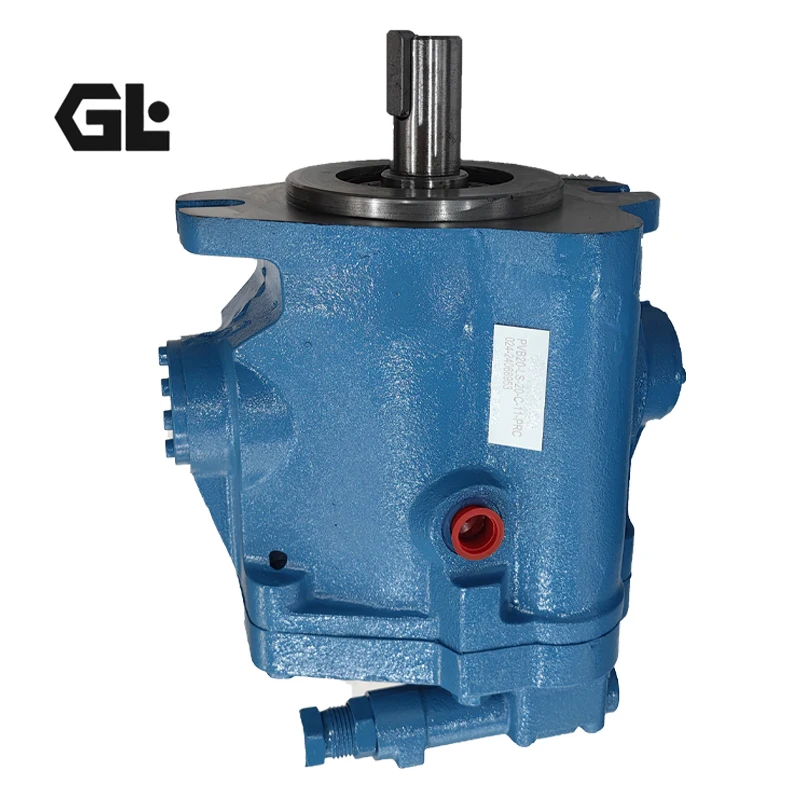
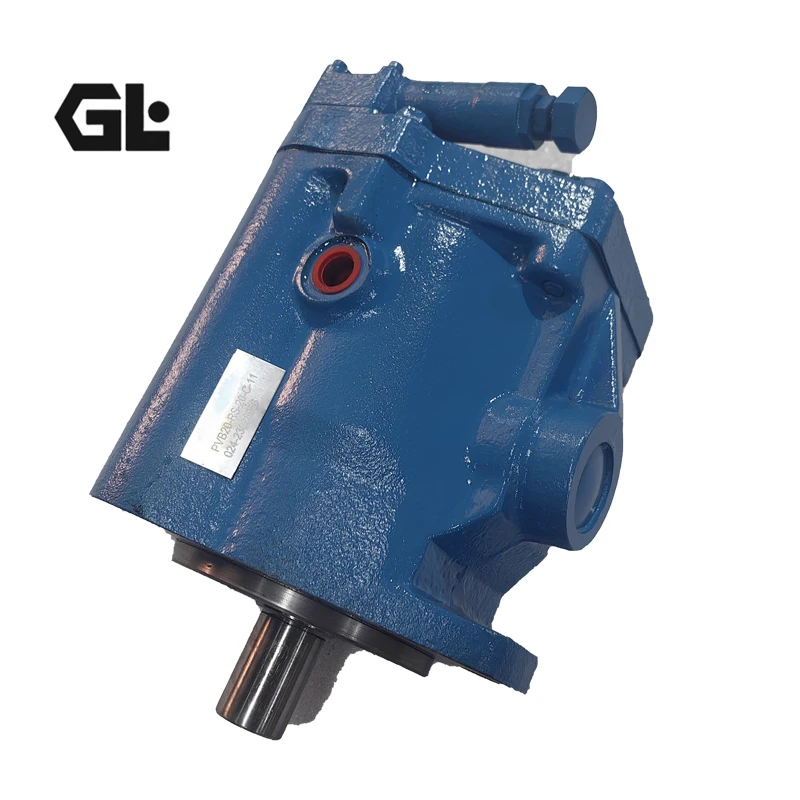
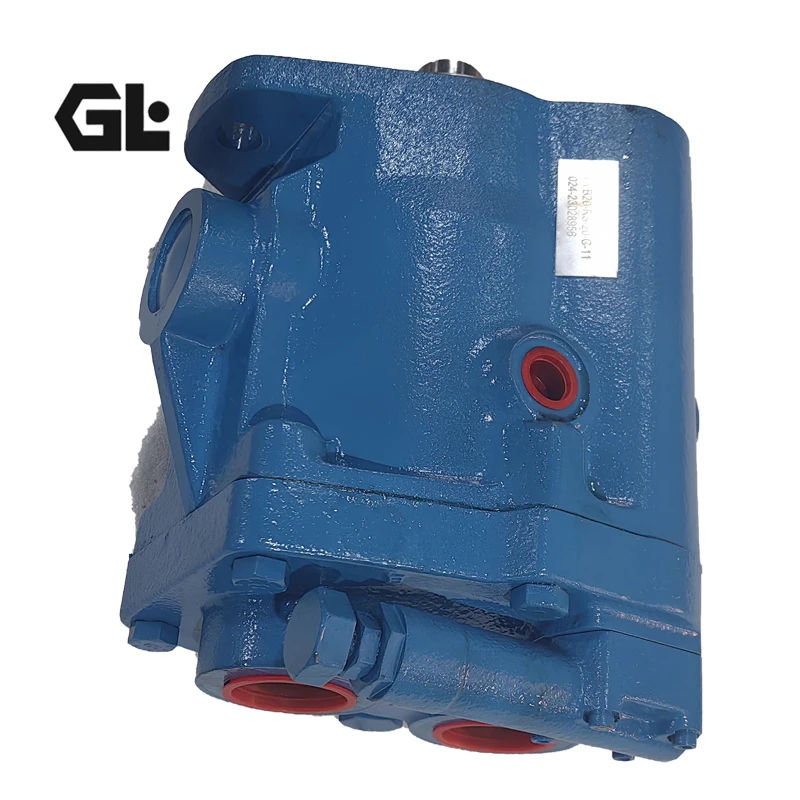
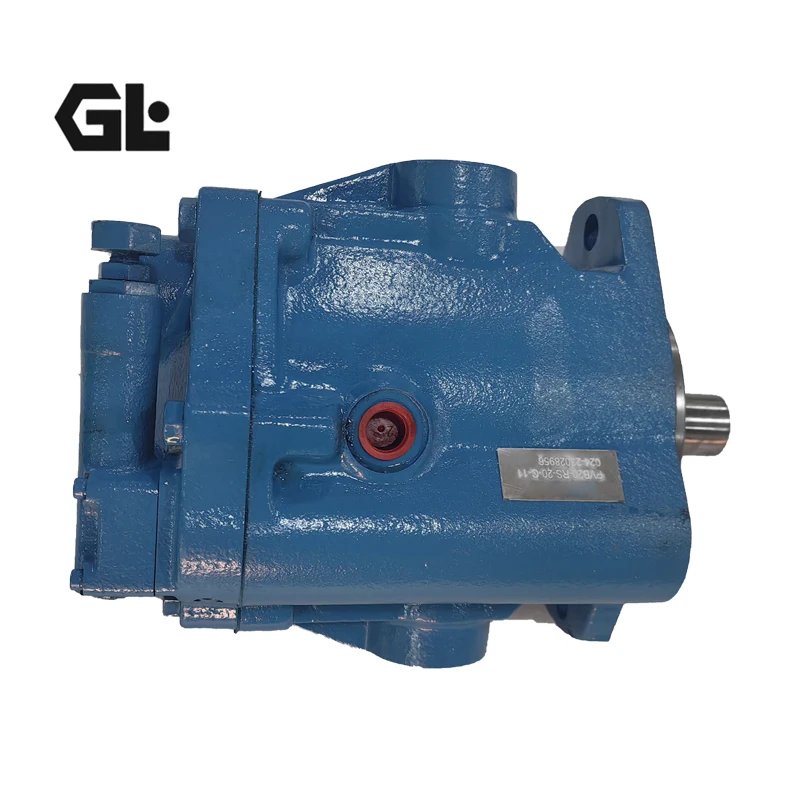


Product Overview
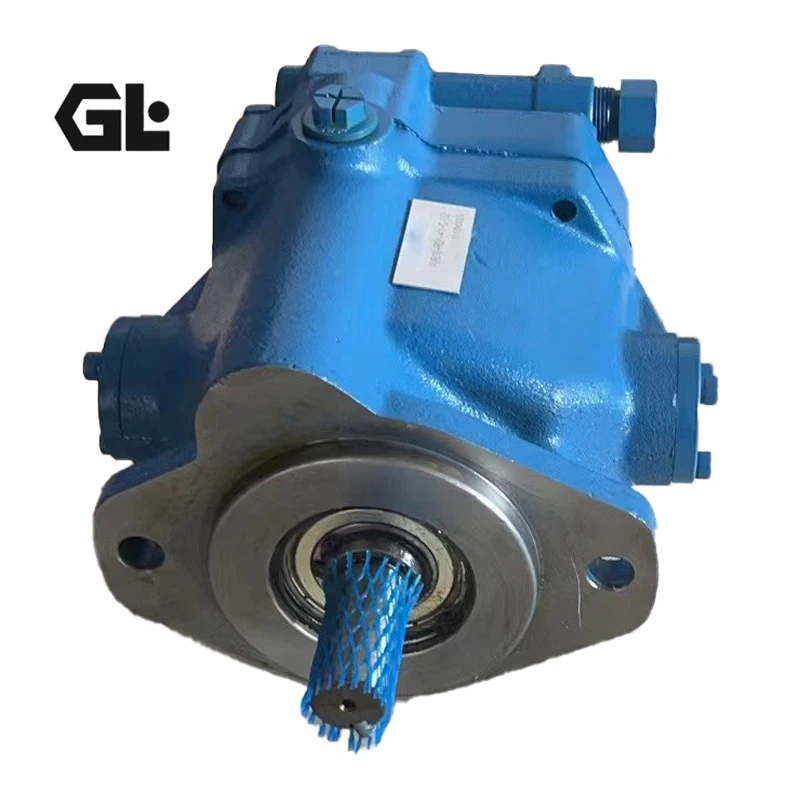
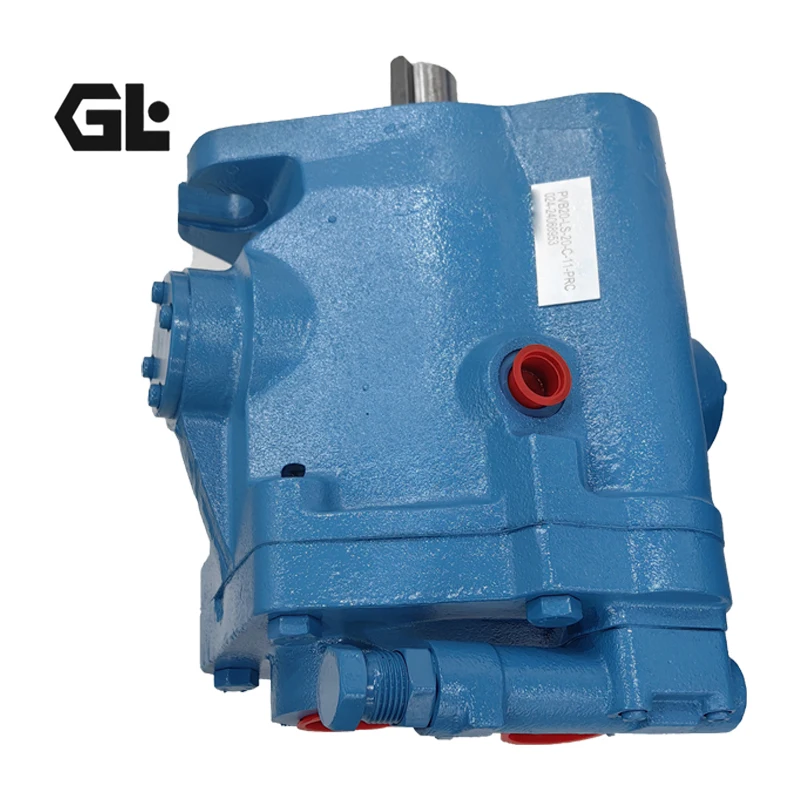
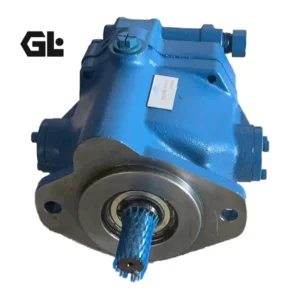
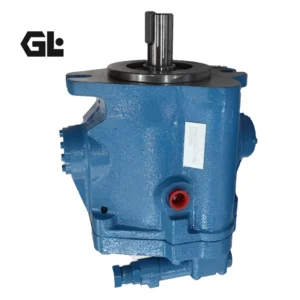
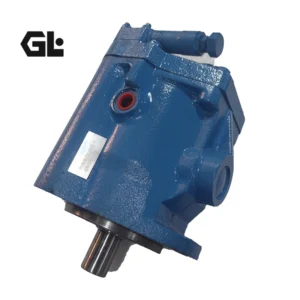
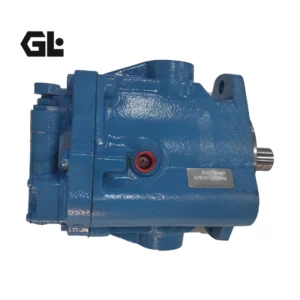
The PVB6-RSY-20-CM-11-GE2 belongs to the Vickers by Danfoss PVB Series of medium-duty open-circuit variable-displacement axial piston pumps.
Danfoss describes the PVB range as axial piston pumps available in both fixed and variable displacement configurations. The series is designed for high performance and efficiency across a range of hydraulic fluids and features adjustable maximum-volume settings, robust shaft bearings and multiple controller options.
Danfoss’s historical PowerSource data confirms the PVB6 platform with:
- 13.81 cm³/rev displacement
- 1800 r/min maximum input speed
- 1800 r/min rated input speed
- 315 bar nominal pressure rating
- 210 bar peak pressure rating
- Right-hand shaft rotation
- Ductile iron end cover
- 13 cSt minimum recommended oil viscosity
- 220 cSt maximum recommended oil viscosity
- 210 bar maximum case pressure
- 80°C maximum case-drain temperature
- 64 dB reference noise level
- 8000-hour bearing life at rated pressure.
However, the exact legacy model PVB6-RSY-20-CM-11-GE2 is not currently exposed as an independent product record in the Danfoss PowerSource database retrieved for this review. Current historical records more readily identify configurations such as PVB6-RSY-40-CG-30 and related PVB6 models. Therefore, configuration-specific values from those models are not transferred to the 20-design GE2 configuration without verification.
For retrofit applications, the complete nameplate should be matched for displacement, rotation, shaft configuration, controller, mounting, port arrangement and design number. Replacement units can then be subjected to 100% simulated operating-condition testing before shipment.
Technical Specifications
Primary Model: PVB6-RSY-20-CM-11-GE2
- Brand: Vickers by Danfoss
- Series: PVB Series
- Model: PVB6-RSY-20-CM-11-GE2
- Product Type: Open-circuit variable-displacement axial piston pump
- Frame Size: PVB6
- Geometric Displacement: 13.81 cm³/rev
- Control: CM configuration code; the exact controller type for this specific 20-design legacy configuration has not been independently verified from a current official product record and is therefore not characterized here as a specific compensator type
- Rotation: R — right-hand / clockwise
- Pump Design Number: 20
- Additional Configuration: 11-GE2
- Maximum Input Speed: 1800 r/min
- Rated Input Speed: 1800 r/min
- Nominal Pressure Rating: 315 bar
- Peak Pressure Rating: 210 bar
- Maximum Case Pressure: 210 bar
- Maximum Case-Drain Temperature: 80°C
- Minimum Recommended Oil Viscosity: 13 cSt
- Maximum Recommended Oil Viscosity: 220 cSt
- Reference Noise Level: 64 dB, applicable to the referenced historical PVB6 configuration and test conditions rather than a universal specification for every PVB6 variant
- Bearing Life at Rated Pressure: 8000 h, according to the referenced historical PVB6 product data
- End-Cover Material: Ductile Iron
- Reference Weight: approximately 18 lb / 8.2 kg in the referenced historical PVB6 record; actual mass may vary with shaft, control and design configuration.
PVB Series Reference Data
- Technology: Axial piston
- PVB Series Displacement Range: 10–61.6 cm³/rev
- Maximum Published Continuous Pressure Across the Current Series: 210 bar.
Engineering Note: Historical PowerSource data lists 315 bar nominal pressure / 210 bar peak pressure for a PVB6 configuration, while the current PVB product page describes continuous pressure ratings up to 210 bar. These are not necessarily equivalent definitions. Therefore, 315 bar should not be marketed as a universal continuous operating pressure for PVB6-RSY-20-CM-11-GE2. Final selection should be based on the exact original documentation and nameplate.
Key Technical Advantages
1. Variable-Displacement Axial Piston Architecture
The PVB Series uses variable-displacement axial piston technology, allowing pump output to be adjusted according to hydraulic demand. This provides more efficient flow management than a permanently fixed-output pump in systems with varying load requirements.
2. Compact 13.81 cm³/rev PVB6 Platform
The PVB6 platform has a published geometric displacement of 13.81 cm³/rev.
At 1800 r/min, the theoretical geometric flow is:
13.81 × 1800 / 1000 ≈ 24.86 L/min
This is a theoretical displacement calculation only. Actual delivery depends on volumetric efficiency, pressure, fluid viscosity and temperature.
3. Flexible Controller Platform
Danfoss identifies multiple control options as a key PVB feature. Specific PowerSource PVB configurations confirm pressure-compensated controllers and other control variants.
Because the CM configuration of the exact 20-design model was not independently verified in the currently accessible official database, the specific control function is deliberately not overstated.
4. Robust Shaft-Bearing Design
Danfoss lists robust shaft bearings among the main PVB Series benefits, with the purpose of extending service life and reducing maintenance costs.
Correct coupling alignment remains essential because bearing loading is affected by shaft misalignment, drive conditions and hydraulic load fluctuations.
5. High Overall Efficiency
Danfoss highlights high overall efficiency as a PVB Series benefit. Better hydraulic and mechanical efficiency can reduce wasted input power and unnecessary heat generation.
System-level efficiency, however, also depends on valves, piping, actuators, controls and cooling.
6. Industrial Open-Circuit Application Capability
Danfoss specifies the PVB Series for medium-duty open-circuit hydraulic applications including:
- Mining machinery
- Injection-molding machines
- Metal-forming machinery
- Oil and gas equipment
- Conveyor lines
- Primary-metals equipment
- Metal-cutting equipment.
Application Areas
The PVB6 platform can be applied to systems such as:
- Injection molding machines
- Metal-forming equipment
- Metal-cutting machinery
- Industrial hydraulic power units
- Mining auxiliary hydraulic systems
- Conveyor equipment
- Oil and gas equipment
- General industrial automation
These applications align with Danfoss’s official PVB Series application categories.
Expert Maintenance Tips
1. Verify the CM Controller Configuration
This is one of the most important service checks.
The PVB6-RSY-20-CM-11-GE2 model is not the same design as readily searchable PVB6 configurations such as PVB6-RSY-40-CG-30.
Before service, verify:
Control cylinder + adjustment spring + compensator/control valve + control circuit + maximum-displacement setting
against the original assembly.
2. Do Not Treat 315 Bar as a Universal Continuous Rating
The historical PowerSource record lists:
Nominal Pressure Rating = 315 bar
Peak Pressure Rating = 210 bar
Because this definition differs from the current product-page statement of up to 210 bar continuous pressure, the 315-bar figure should not be advertised as a universal continuous working-pressure specification for PVB6-RSY-20-CM-11-GE2.
3. Protect the Inlet Circuit
Poor suction conditions can affect piston-pump filling, noise, volumetric efficiency and rotating-group life.
Recommended practices include:
- Keep the suction line short
- Minimize sharp bends
- Avoid undersized piping
- Prevent air ingress
- Maintain the correct reservoir level
- Inspect the inlet filtration system regularly
4. Maintain the Recommended Viscosity Range
The referenced PVB6 historical data specifies 13–220 cSt as the recommended viscosity range. Excessively low viscosity can weaken the lubrication film, while excessive viscosity increases inlet restriction and starting load.
5. Control Case Pressure
The historical PVB6 data specifies a 210-bar maximum case pressure. This is not a recommendation to operate the housing at that pressure continuously; the case-drain circuit should be designed for minimum practical back pressure.
6. Maintain Shaft Alignment
Check the complete drive system:
Motor Shaft → Coupling → Pump Shaft
Angular and parallel misalignment can create additional shaft and bearing loads.
7. Commission Progressively
After installing a replacement PVB6-RSY-20-CM-11-GE2, use a controlled startup sequence:
Prime → No-Load Rotation → Minimum Pressure → Control Response → Rated Load
Monitor flow, compensator response, noise, case temperature and leakage.
8. Verify Variable Response Under Simulated Conditions
For a legacy model containing multiple configuration codes, a simple free-running test is insufficient to establish interchangeability.
A comprehensive factory verification should include:
Minimum Displacement → Maximum Displacement → Pressure Compensation → Rated Speed → Leakage → Noise → Temperature Rise
This helps confirm that the replacement pump is not only mechanically interchangeable but also functionally compatible with the original hydraulic circuit.