




Product Overview
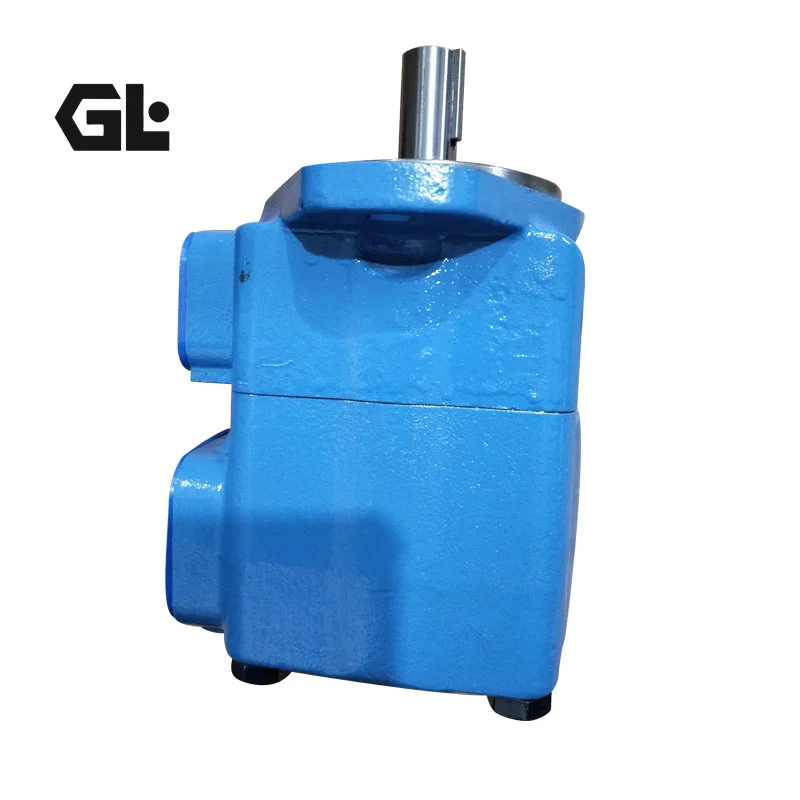
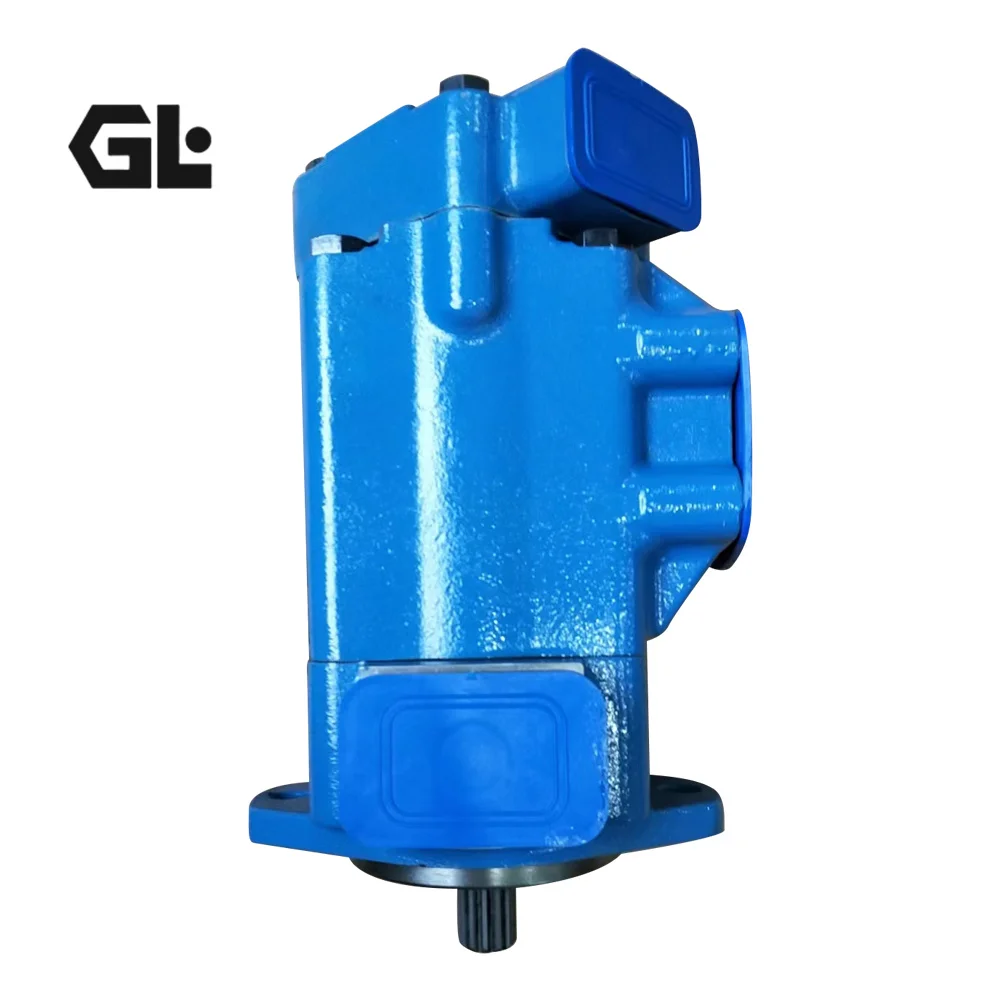
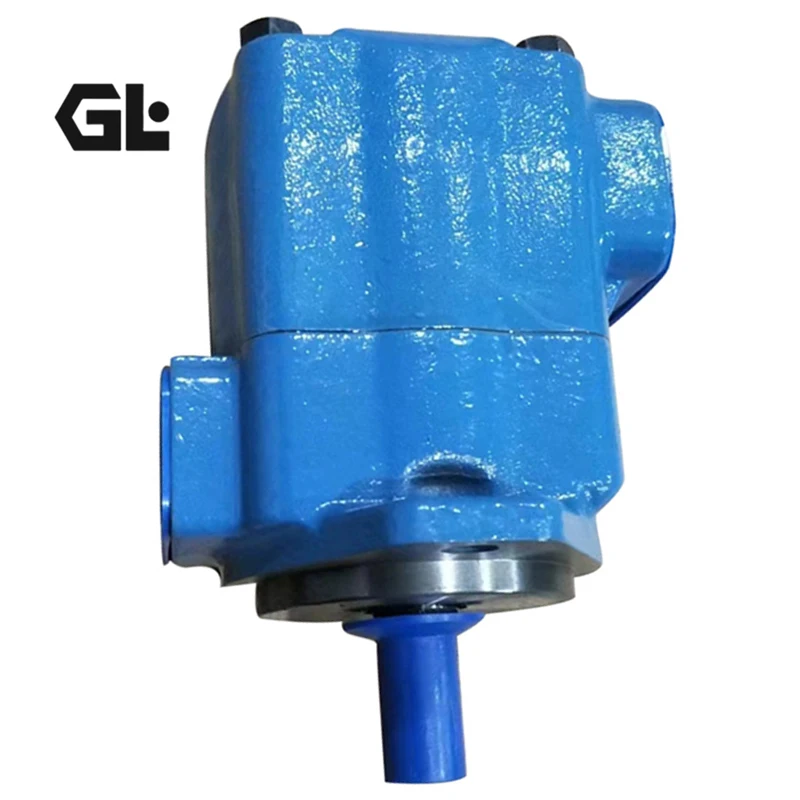
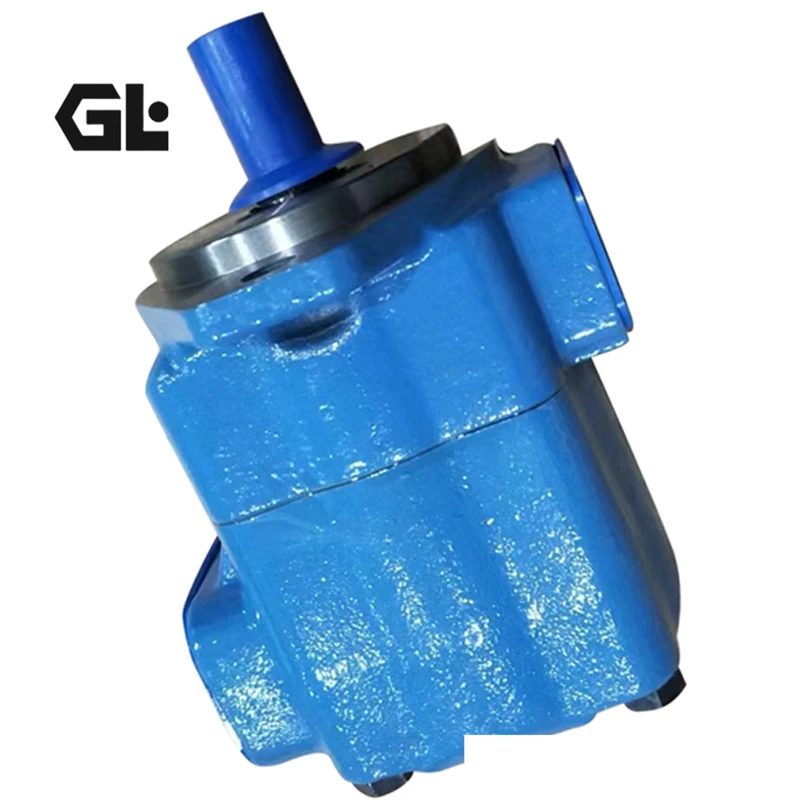
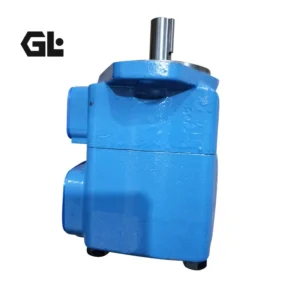
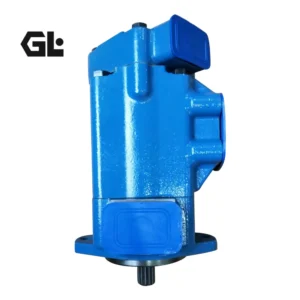
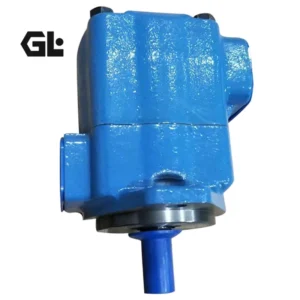
The 25VQ14A 1C20 is a Vickers by Danfoss VQ Series fixed-displacement intravane vane pump designed for industrial and mobile hydraulic applications requiring stable flow delivery, standardized mounting and high-pressure capability.
Danfoss identifies the VQ family as intravane pumps and provides multiple frame sizes, including 20VQ, 25VQ, 35VQ and 45VQ. The official design guide covers pump performance, model coding, mounting, shaft configurations, inlet conditions and service considerations.
The exact 25VQ14A 1C20 configuration is directly listed in Danfoss PowerSource. Its code identifies:
- 25VQ: 25VQ standard-bearing intravane pump series
- 14: 14 USgpm rotating-group size
- A: SAE 4-bolt flange inlet and outlet
- 1: Straight keyed shaft with 3/16-in square key
- C: Outlet in line with inlet
- 20: Design No. 20
- No L suffix: Right-hand / clockwise rotation according to the official coding system.
For replacement applications, the complete model number should be matched rather than only the 25VQ14 designation. Our replacement units can be configured according to the original pump’s displacement, port arrangement, shaft type and rotation, followed by 100% simulated operating-condition testing before shipment.
Technical Specifications
Primary Model: 25VQ14A 1C20
- Brand: Vickers by Danfoss
- Series: VQ Series
- Model: 25VQ14A 1C20
- Pump Type: Fixed-displacement intravane vane pump
- Frame Size: 25VQ
- Rotating-Group Rating: 14 USgpm
- Geometric Displacement: 45.4 cm³/rev (2.77 in³/rev)
- Control Method: Fixed displacement
- Maximum Speed: 2700 r/min
- Maximum Operating Pressure: 210 bar (3000 psi)
- Nominal Flow Rating at 1200 r/min and 7 bar: 14 USgpm
- Typical Delivery at Maximum Speed and Pressure: 103.8 L/min (27 USgpm)
- Typical Input Power at Maximum Speed and Pressure: 46.6 kW (62.5 hp)
- Approximate Weight: 14.5 kg (32 lb)
- Inlet Connection: SAE 4-bolt flange
- Outlet Connection: SAE 4-bolt flange
- Shaft Type: 1 — straight keyed shaft
- Key: 3/16-in square key
- Outlet Position: C — in line with inlet
- Design: 20
- Rotation: Right-hand / clockwise when viewed from shaft end; the official coding system uses the L suffix only for counterclockwise rotation
- Recommended Inlet Pressure: 0–0.34 bar (0–5 psi) gauge
- Maximum Positive Inlet Pressure: 1.38 bar (20 psi)
- Maximum Inlet Vacuum: 0.17 bar (5 in Hg)
- Reference Test Fluid: SAE 10W oil at 38–82°C (100–180°F).
Other 25VQ Displacement Options
- 25VQ12: 40.2 cm³/rev, maximum 2700 r/min / 210 bar
- 25VQ14: 45.4 cm³/rev, maximum 2700 r/min / 210 bar
- 25VQ17: 55.2 cm³/rev, maximum 2500 r/min / 210 bar
- 25VQ21: 67.5 cm³/rev, maximum 2500 r/min / 210 bar
- Approximate 25VQ single-pump weight: 14.5 kg (32 lb).
Other VQ Frame References
- 20VQ: 18.0–45.9 cm³/rev, with maximum speeds up to approximately 2700 r/min
- 35VQ: 81.6–121.6 cm³/rev, with maximum speeds of approximately 2500 / 2400 r/min depending on displacement
- 45VQ: 138.7–193.4 cm³/rev, maximum speed approximately 2200 r/min
- 45VQ Maximum Pressure: Up to 175 bar, depending on displacement
- 35VQ Maximum Pressure: Up to 210 bar for applicable sizes
- 20VQ Maximum Pressure: Varies with displacement and can be 210, 160 or 140 bar.
About 25VQ17A-1C22R
The supplied 25VQ17A-1C22R designation can be interpreted from the official VQ coding structure as:
- 25VQ: 25VQ series
- 17: 55.2 cm³/rev
- A: SAE 4-bolt flange inlet/outlet
- 1: Straight keyed shaft
- C: Outlet in line with inlet
- 22: Design 22
However, the current official coding guide specifies right-hand rotation by omission and adds L for left-hand rotation. The final R in the supplied string therefore does not match the current official coding convention. The original nameplate should be checked before ordering.
Key Technical Advantages
1. Intravane Cartridge Architecture
The Vickers VQ family uses an intravane pump architecture. The 25VQ is identified by Danfoss as a standard-bearing intravane pump frame. This design supports controlled internal clearances and stable vane operation, contributing to hydraulic performance and serviceability.
2. Precisely Defined 45.4 cm³/rev Displacement
For the 25VQ14A 1C20, the manufacturer’s published geometric displacement is 45.4 cm³/rev.
The “14” in the model code is a 14-US-gpm rating designation, not a 14 cm³/rev displacement. Hydraulic flow, torque and power calculations should therefore use the published 45.4 cm³/rev geometric displacement.
3. 210-Bar Pressure Capability
The official specification for 25VQ14 is 210 bar / 3000 psi maximum operating pressure. Under suitable inlet pressure, temperature and viscosity conditions, this provides a practical high-pressure capability for industrial hydraulic circuits.
Danfoss also warns against prolonged operation at or near rated pressure while the pump is idling because localized overheating may result.
4. 2700 r/min Maximum Speed
25VQ12 and 25VQ14 are rated up to 2700 r/min, while 25VQ17 and 25VQ21 are rated up to 2500 r/min. The maximum speed therefore depends on rotating-group displacement rather than being identical across every 25VQ configuration.
5. SAE 4-Bolt Flange Connections
The 25VQ14A 1C20 uses SAE 4-bolt flange connections for both inlet and outlet. This standardized industrial interface can simplify rigid hydraulic piping, equipment integration and aftermarket replacement.
6. Precisely Defined Outlet Orientation
The C in the model code has a specific engineering meaning:
C = Outlet in line with inlet
This dimensionally significant detail affects piping layout, hose routing and installation clearance during retrofit work.
7. Service-Friendly Rotating-Group Design
The Vickers by Danfoss VQ documentation defines rotating-group capacities together with pump frame, shaft and port configurations and provides dedicated installation and service information. This modular approach can support targeted maintenance of rotating components rather than requiring a completely different pump architecture.
Application Areas
Based on Danfoss’s VQ-series product positioning and application documentation, VQ pumps are used in applications including:
- Injection molding machines
- Die-casting equipment
- Machine tools
- Industrial hydraulic power units
- Press machines
- Metalworking equipment
- Material-handling machinery
- Wood-processing equipment
- Pulp and paper machinery
- Test equipment
- General industrial machinery
- Selected mobile hydraulic auxiliary circuits.
The 25VQ14A 1C20, with its 45.4 cm³/rev displacement, 210-bar pressure capability and SAE flange interface, is particularly suitable for fixed-flow industrial hydraulic circuits requiring standardized mechanical integration.
Expert Maintenance Tips
1. Match the Complete Model Number
Do not order solely by “25VQ14.”
The full 25VQ14A 1C20 code identifies:
Frame + Displacement + Port Connection + Shaft + Outlet Position + Design
This complete configuration should be checked during replacement.
2. Confirm Rotation
Danfoss’s official coding system specifies:
- L = counterclockwise
- No L suffix = clockwise
Therefore, 25VQ14A 1C20 is a clockwise configuration according to the current official coding system. The supplied 25VQ17A-1C22R should be checked against the original nameplate because the “R” suffix does not correspond to the current official model-code convention.
3. Protect the Suction Circuit
Danfoss recommends maintaining an inlet pressure of 0–0.34 bar gauge, with positive inlet pressure not exceeding 1.38 bar and inlet vacuum not exceeding 5 in Hg. Poor inlet conditions can affect priming, noise, volumetric performance and rotating-group life.
4. Size Long Hydraulic Lines Correctly
Danfoss recommends keeping hydraulic lines as short as practical and using sufficiently large internal diameters. Long lines may require a larger line size than the nominal pump-port diameter to control pressure loss.
5. Avoid High Pressure at Idle Speed
The official guide warns against prolonged operation at or near rated pressure at idle speed because localized overheating can damage the pump. Commissioning should therefore confirm suction, speed and flow conditions before applying full hydraulic load.
6. Warm Up the Hydraulic Fluid During Cold Starts
The reference performance data is based on SAE 10W fluid at 38–82°C. High viscosity during cold startup requires reduced speed and pressure until the hydraulic system reaches an appropriate operating temperature.
7. Maintain Shaft Alignment
Danfoss emphasizes shaft concentricity and angular alignment as important factors in pump life. Misalignment can impose excessive bearing loads and cause premature failure. Flexible couplings should be aligned according to their manufacturer’s requirements.
8. Maintain Hydraulic-Fluid Cleanliness
The official guide identifies fluid condition and cleanliness as critical to long component life. Regular inspection should include filtration, contamination, viscosity, temperature and signs of aeration.