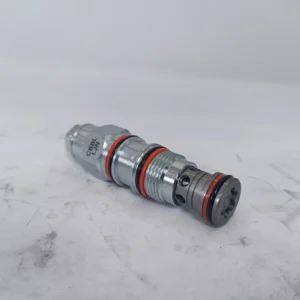

Product Overview
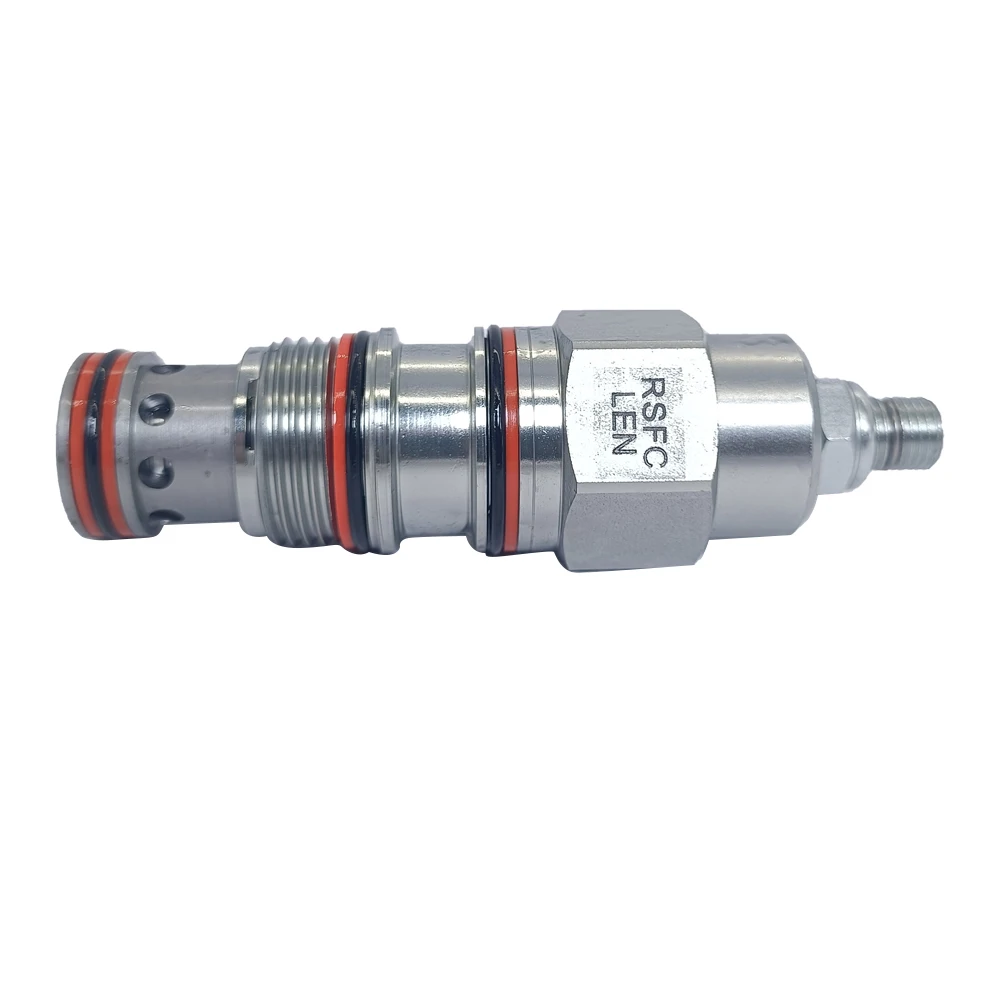
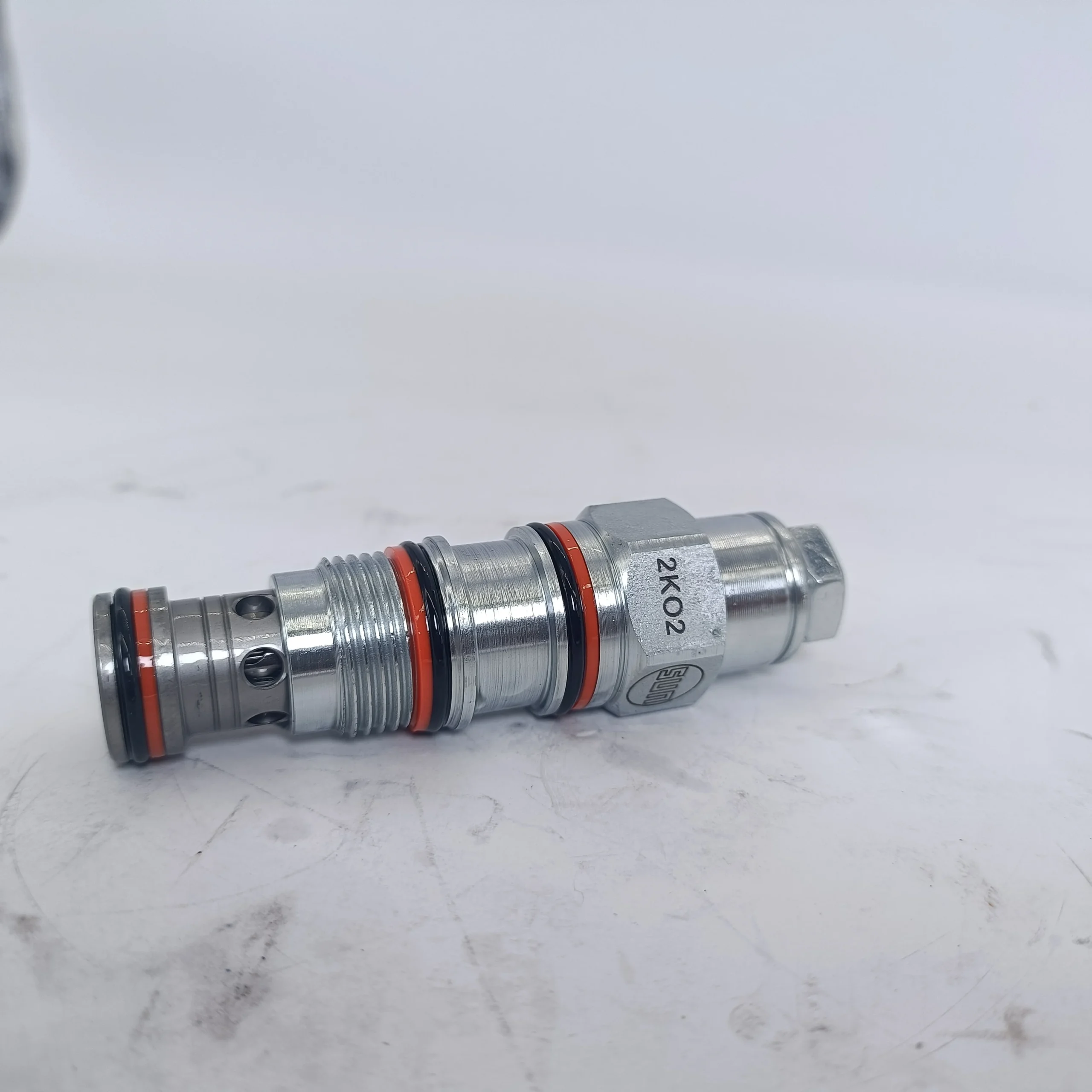
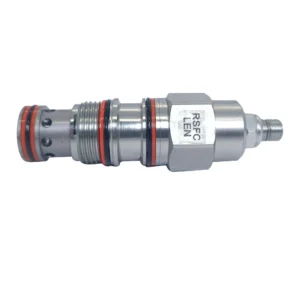
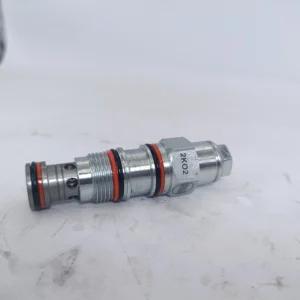
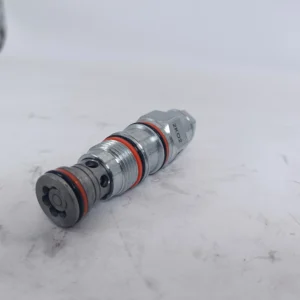
The Sun Hydraulics CBCA-LAN is a 3-port pilot-assisted counterbalance cartridge valve designed for load holding, overrunning-load control and controlled actuator movement.
Sun’s counterbalance architecture combines a check function with a direct-acting, pilot-assisted relief function. Free flow is permitted in one direction, while reverse load-side flow is controlled through the relief section. Pilot pressure at Port 3 reduces the effective relief setting according to the selected pilot ratio.
CBCA-LAN is a Series 1, T-11A standard counterbalance valve with a 3:1 pilot ratio and 60 L/min / 15 GPM nominal capacity. Its maximum setting is 280 bar / 4000 psi.
This makes it suitable for hydraulic cylinders, motors and mobile-equipment actuators exposed to gravity or overrunning loads.
Technical Specifications
CBCA-LAN
- Manufacturer: Sun Hydraulics
- Product Type: 3-port pilot-assisted counterbalance cartridge valve
- Series: Series 1
- Cavity: T-11A
- Nominal Capacity: 60 L/min / 15 GPM
- Pilot Ratio: 3:1
- Maximum Setting: 280 bar / 4000 psi
- Maximum Recommended Load Pressure at Maximum Setting: 215 bar
- Adjustment Range: 70–280 bar
- Standard Factory Setting: 210 bar
- Standard Check Cracking Pressure: 1.7 bar / 25 psi
- Factory Setting Test Flow: 30 cc/min
- Maximum Valve Leakage at Reseat: 0.4 cc/min
- Reseat: >85% of setting when standard set
- Adjustment: Standard screw, approximately 3¾ turns
- Valve Hex: 7/8 in / 22.2 mm
- Adjustment Screw Hex: 5/32 in / 4 mm
- Locknut Hex: 9/16 in / 15 mm
- Valve Installation Torque: 41–47 Nm
- Locknut Torque: 9–10 Nm
- Model Weight: 0.20 kg / 0.40 lb
- Seal: Buna-N
- Pump Displacement: Not applicable
- Pump Rated Pressure: Not applicable
- Pump Peak Pressure: Not applicable
- Maximum Pump Speed: Not applicable
- Control Method: Hydraulic pilot-assisted counterbalance control
How the CBCA-LAN Works
The basic operating sequence is:
Free Flow → Load Holding → Pilot-Assisted Opening
When flow moves through the free-flow direction, the check section opens.
When the actuator attempts to move in the reverse direction under load, the check closes and the relief section controls the load-side flow.
Pilot pressure applied at Port 3 reduces the effective relief setting and permits controlled reverse flow.
This provides:
Load Holding + Overrunning Load Control + Controlled Movement
rather than simple one-way check-valve behavior.
Key Technical Advantages
1. 3:1 Pilot Ratio
The 3:1 pilot ratio creates a defined relationship between pilot pressure and the effective counterbalance setting.
Sun also documents that back pressure at Port 2 increases the effective relief setting according to the pilot ratio.
This relationship must be included in hydraulic circuit design.
2. 60 L/min Standard Capacity
CBCA-LAN is a Series 1, 60 L/min counterbalance cartridge.
This capacity is well suited to:
- Boom cylinders
- Lift cylinders
- Telescopic cylinders
- Mobile hydraulic actuators
- Material-handling equipment
Sun’s official counterbalance reference identifies the Series 1 standard CBCA family at 60 L/min.
3. Low Reseat Leakage
Sun specifies 0.4 cc/min maximum valve leakage at reseat and more than 85% reseat pressure when the valve is standard set.
This supports reliable static load holding in properly designed hydraulic circuits.
4. Floating Cartridge Construction
Sun uses floating-style construction to minimize internal binding caused by excessive installation torque or variation between cartridge and cavity machining.
This is particularly valuable for field replacement and manifold-integrated applications.
5. T-11A Cartridge Integration
The CBCA-LAN uses a T-11A cavity.
This allows direct integration into compatible:
- Hydraulic manifolds
- Actuator housings
- Compact motion-control blocks
Sun notes that direct cartridge installation can improve protection and circuit stiffness while reducing external plumbing.
6. Standard 1.7 bar Check Cracking Pressure
The standard CBCA-LAN uses a 1.7 bar / 25 psi check spring.
Sun recommends the 1.7 bar check for normal applications and suggests the lower check option when actuator cavitation is a concern.
Related Models in the Original Search Term
The original keyword set contains several technically different Sun cartridge valves.
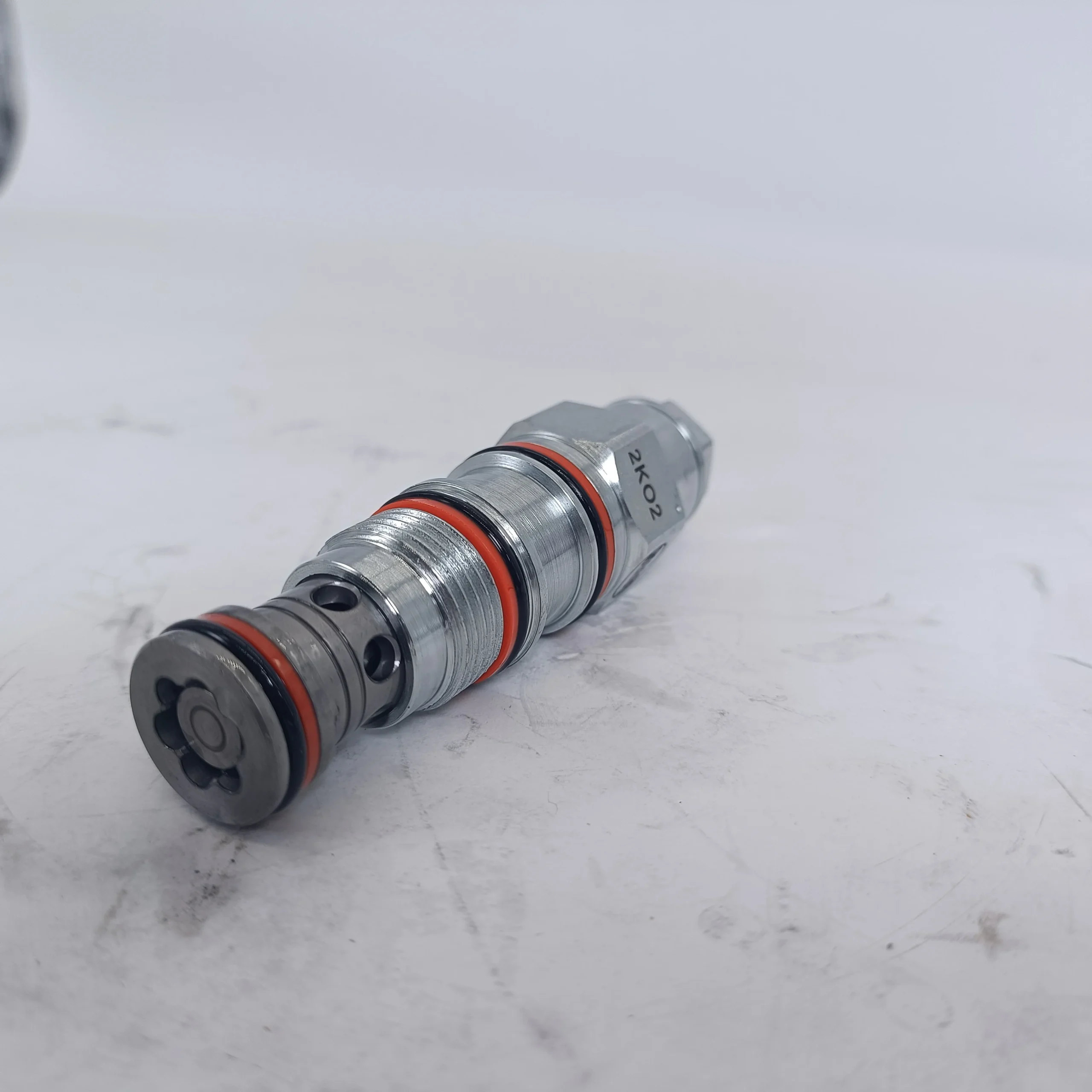
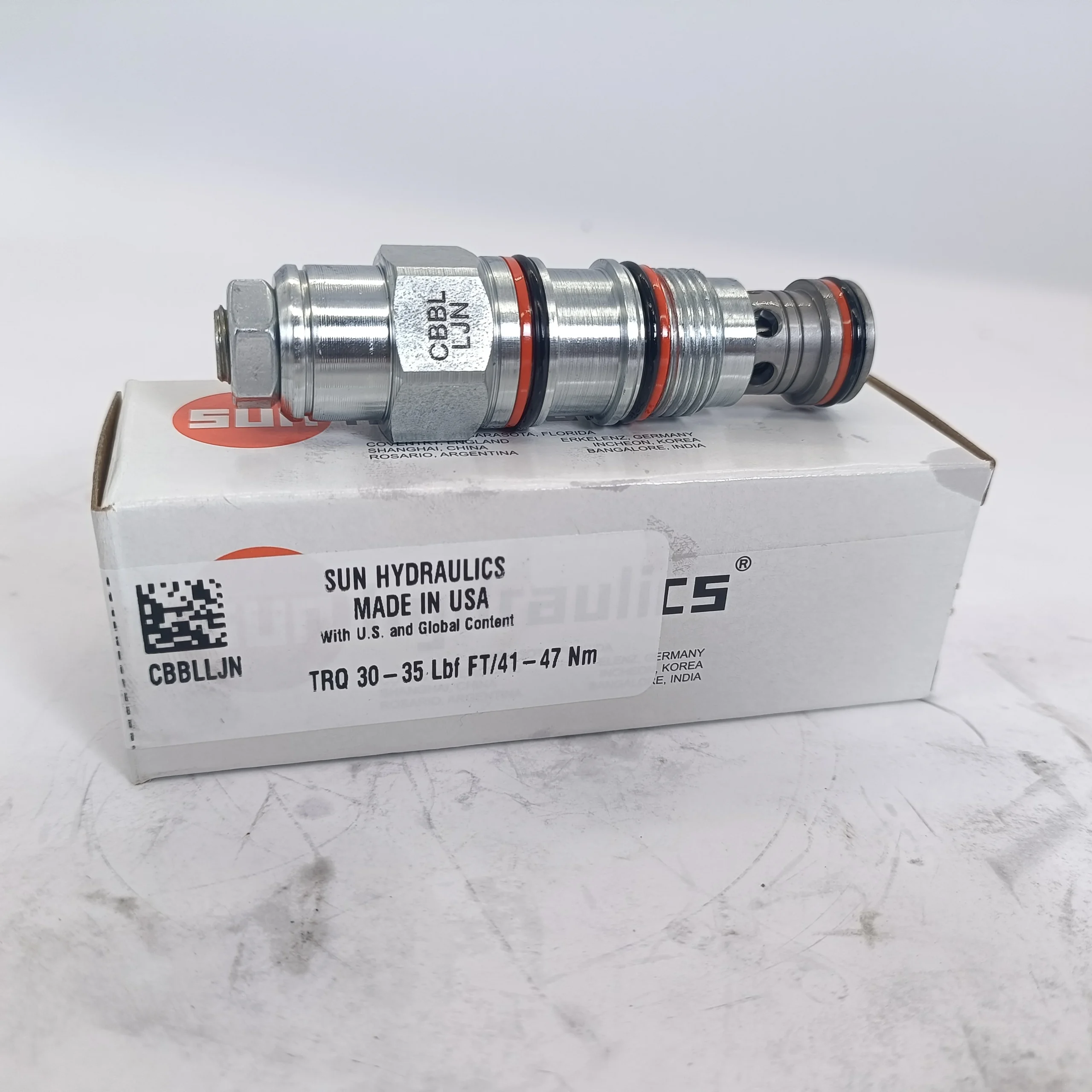
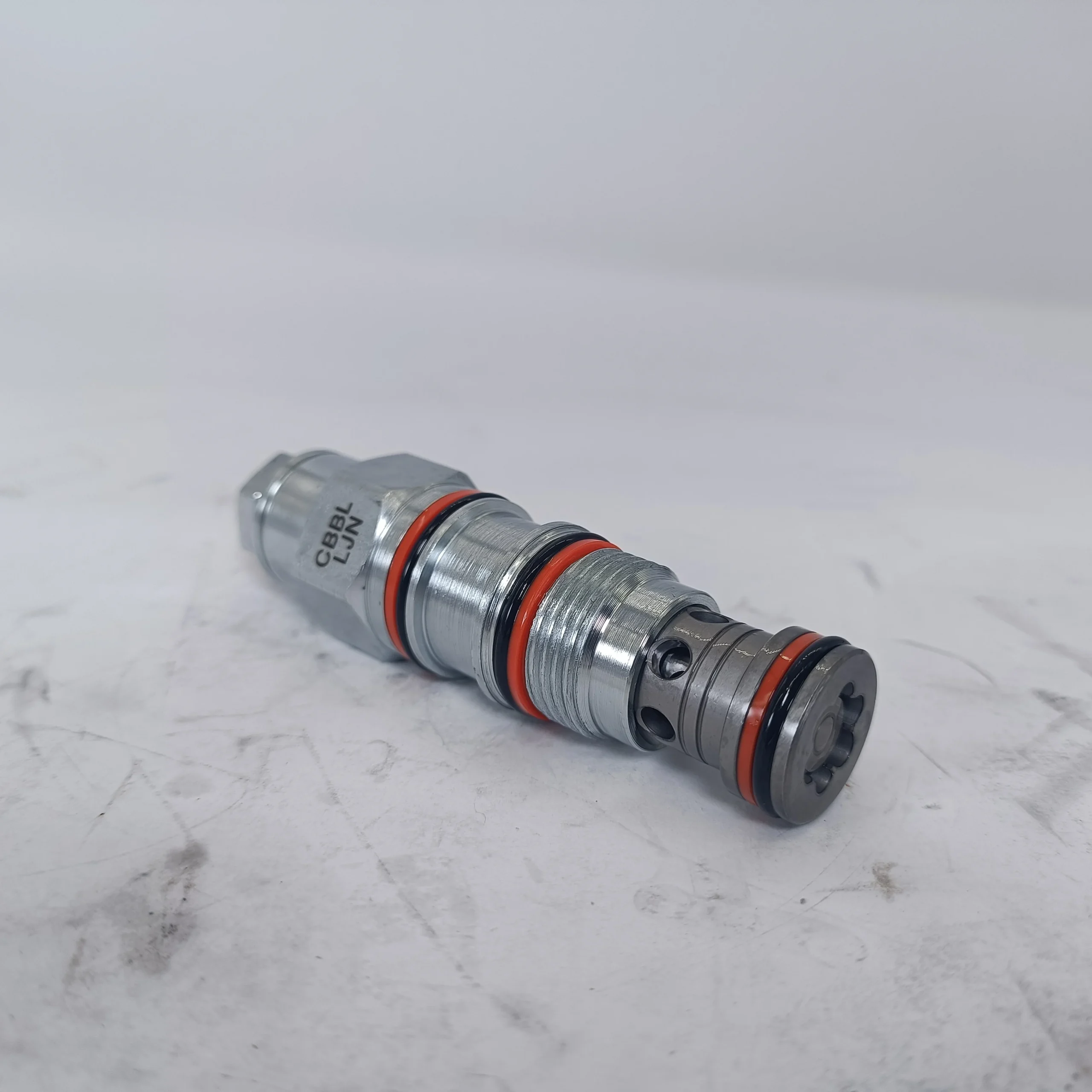
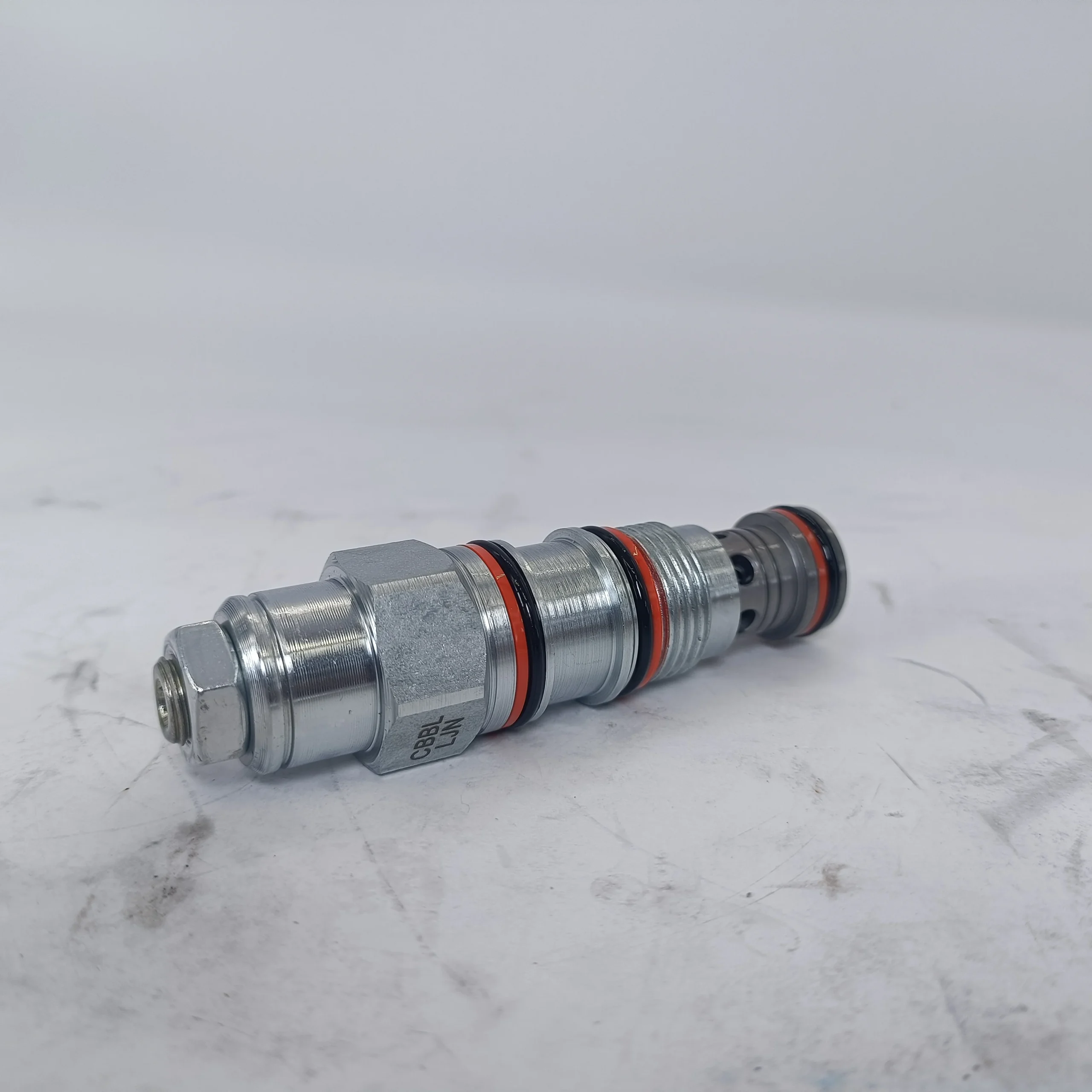
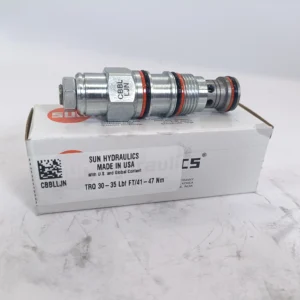
CBBL-LJN
CBBL-LJN is a semi-restrictive counterbalance valve.
Its verified family characteristics include:
- T-11A
- 40 L/min
- 2.3:1 pilot ratio
- Up to 350 bar setting
It is therefore not parameter-equivalent to CBCA-LAN.
CXED-XAN
CXED-XAN is a two-port side-to-nose free-flow check valve, not a counterbalance valve.
Verified characteristics include:
- T-5A
- 120 L/min
- 350 bar
- Maximum leakage 0.07 cc/min
Its primary function is simply:
Free Flow One Direction + Blocking in the Opposite Direction
PVFA-LAN
PVFA-LAN is a pilot-operated pressure reducing/relieving valve.
Its documented configuration includes:
- T-22A
- 80 L/min
- 350 bar maximum operating pressure
- External drain
- Reducing and relieving functions
Its purpose is different from CBCA-LAN:
PVFA → Pressure Reduction + Relief
CBCA → Load Holding + Overrunning Load Control
NCEB-LAN
NCEB-LAN is an adjustable needle valve with reverse free-flow check.
It belongs to the T-5A flow-control family and is rated at approximately 45 L/min, with a 350 bar maximum operating pressure in the documented configuration.
NFDD-LGN
NFDD-LGN is a fully adjustable high-capacity needle valve.
The documented configuration uses:
- 0.5 in / 12.7 mm maximum orifice
- Buna-N or Viton options
- Standard screw / handknob options
- Approx. 0.29 kg model weight
Its primary purpose is flow adjustment, not load holding.
Engineering Materials and Manufacturing
For CBCA-LAN, publicly available Sun documentation confirms:
- Buna-N sealing configuration
- Standard material/coating configuration
- Floating-style cartridge construction
Sun does not publicly specify complete alloy grades, heat-treatment data or hardness values for every internal component in the reviewed documentation, so these specifications should not be invented.
The most important manufacturing parameters for a counterbalance cartridge are:
Poppet and Seat Geometry
Controls shut-off leakage and reseating behavior.
Spool/Bore Clearance
Influences friction, movement and contamination sensitivity.
Spring Calibration
Controls pressure-setting consistency.
Pilot Passage Geometry
Determines pilot response and opening behavior.
Surface Finish
Influences friction, wear and leakage.
For aftermarket replacement, engineering quality should therefore focus on:
Dimensional Accuracy + Spring Calibration + Seal Integrity + Hydraulic Cleanliness + Functional Testing
Application Areas
Typical CBCA-LAN applications include:
- Boom cylinders
- Lift cylinders
- Telescopic cylinders
- Aerial work platforms
- Construction machinery
- Agricultural machinery
- Mobile cranes
- Material-handling machinery
- Hydraulic winches
- Hoisting equipment
- Excavator attachments
- Industrial actuator circuits
These applications typically involve a gravity load or overrunning load that can drive the actuator independently of commanded pump flow.
Selection Guide
When selecting a CBCA-LAN replacement, verify:
Valve Function → Pilot Ratio → Capacity → Cavity → Check Cracking Pressure → Pressure Setting → Seal
The CBCA-LAN configuration is:
3:1 + 60 L/min + T-11A + 1.7 bar Check + 70–280 bar + Buna-N
CBCA-LAN vs. CBBL-LJN
These models should not be treated as direct equivalents.
CBCA-LAN
- 3:1 pilot ratio
- Standard counterbalance
- 60 L/min
- T-11A
- Up to 280 bar setting
CBBL-LJN
- 2.3:1 pilot ratio
- Semi-restrictive counterbalance
- 40 L/min
- T-11A
- Up to 350 bar setting
Different pilot ratios and flow-gain characteristics produce different actuator behavior.
Expert Maintenance Tips
1. Do Not Set the Valve Equal to Maximum System Pressure
Sun recommends setting a counterbalance valve at least 1.3 times the maximum load-induced pressure.
The maximum valve setting and the machine’s normal operating pressure are therefore not the same parameter.
2. Account for Port 2 Back Pressure
Back pressure at Port 2 directly influences the effective relief setting.
This is a common reason why a valve can appear correctly adjusted yet still produce abnormal actuator lowering behavior.
3. Protect the T-11A Cavity
Before installation, inspect:
- Cavity cleanliness
- Thread condition
- Locating shoulder
- O-rings
- Pilot passage
- Seat contamination
Floating construction reduces binding risk but cannot compensate for a damaged or contaminated cavity.
4. Use the Specified Installation Torque
For CBCA-LAN:
41–47 Nm
Avoid excessive torque because installation forces can affect cartridge movement.
5. Maintain Hydraulic Cleanliness
Inspect:
- Filters
- Hydraulic oil
- Pilot passages
- Cartridge cavity
- Load-side circuit
Contamination can cause valve-seat damage, leakage, sticking and unstable motion.
6. Diagnose Chattering Systematically
For cylinder chatter, jerky lowering or pressure oscillation, inspect:
Pilot Pressure → Back Pressure → Pilot Ratio → Flow → Setting → Valve Condition
before replacing the actuator.
7. Choose the Valve by Function
Use the correct Sun valve family for the actual requirement:
Load Holding / Overrunning Load → Counterbalance
One-Way Free Flow → CXED
Pressure Reduction + Relief → PVFA
Adjustable Flow Control → NCEB / NFDD
This functional classification is more accurate than grouping all of these parts under a generic “pilot hydraulic valve” category.
8. Recommended Replacement Validation
For an aftermarket CBCA-LAN replacement, use:
Model Verification
→ T-11A Cavity Verification
→ Seal Inspection
→ Spring/Setting Verification
→ Cracking Pressure Test
→ Pilot Response Test
→ Flow Test
→ Leakage Test
→ Reseat Test
→ Load-Holding Test
→ Controlled-Lowering Test
→ 100% Simulated Working-Condition Test
Combined with In-Place Interchangeability, this provides a stronger B2B replacement proposition than simple dimensional matching.