
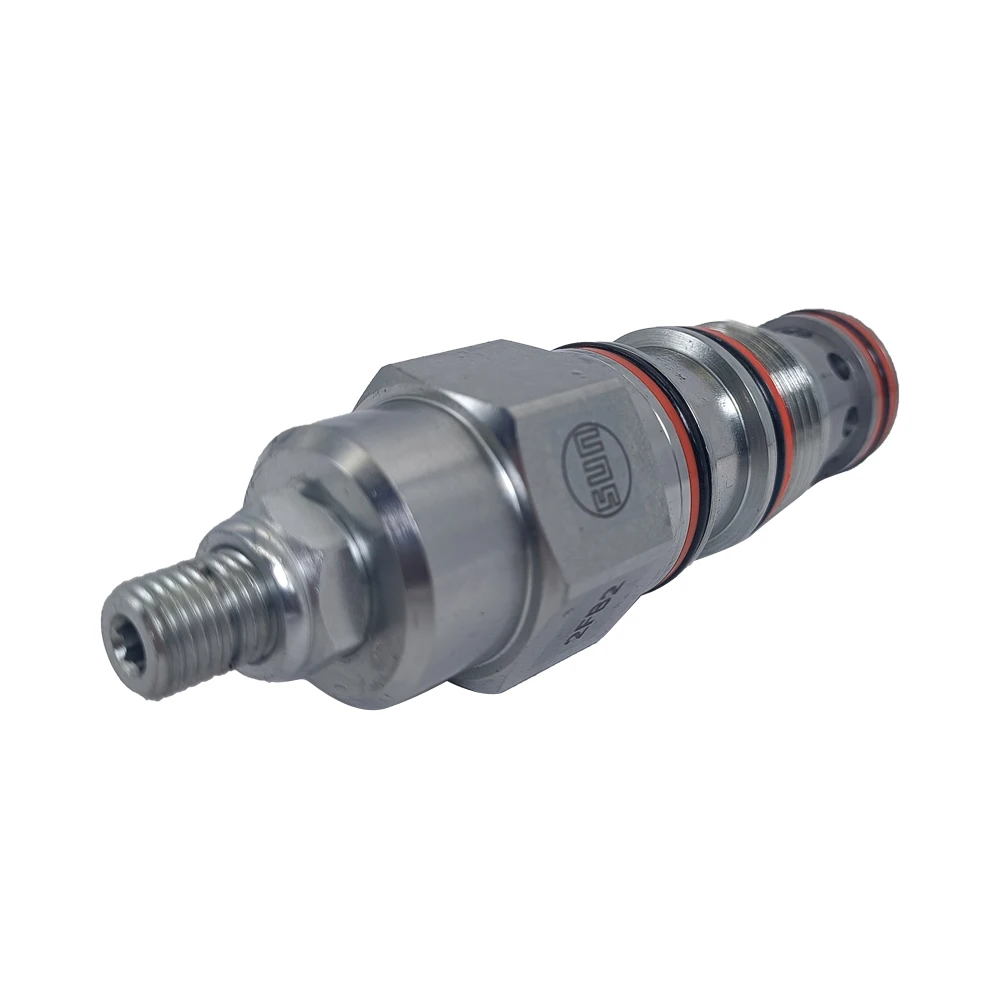
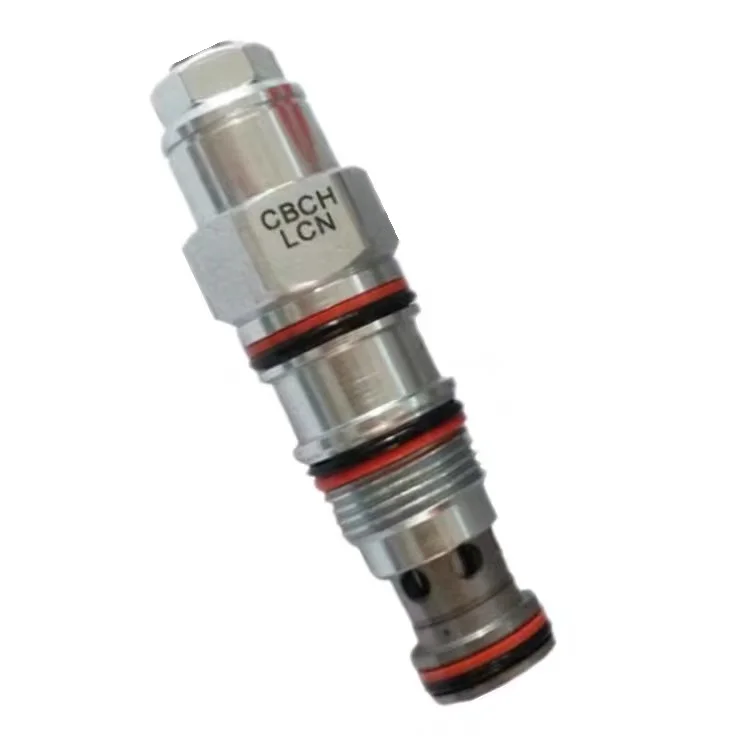
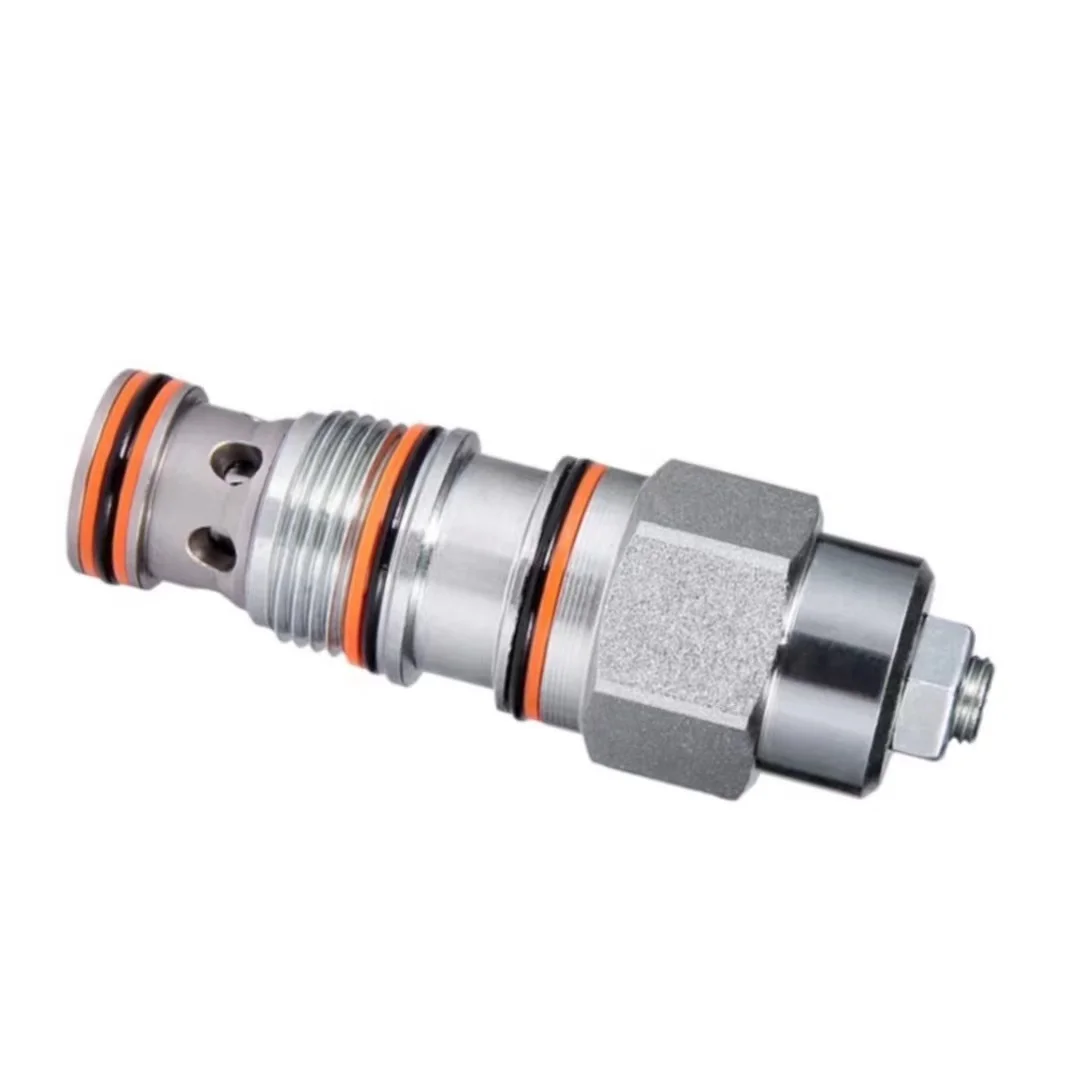
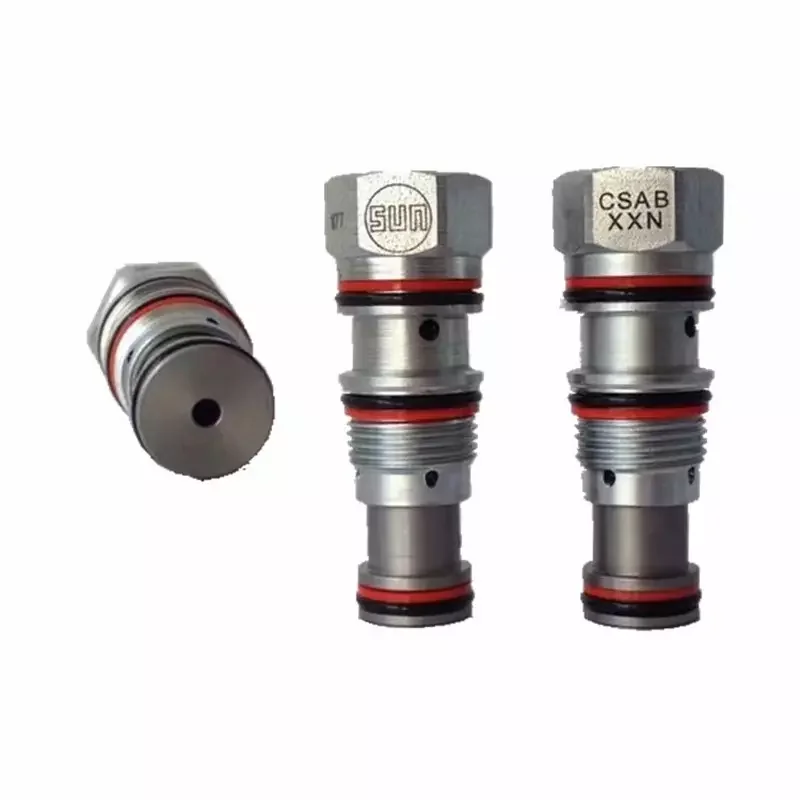
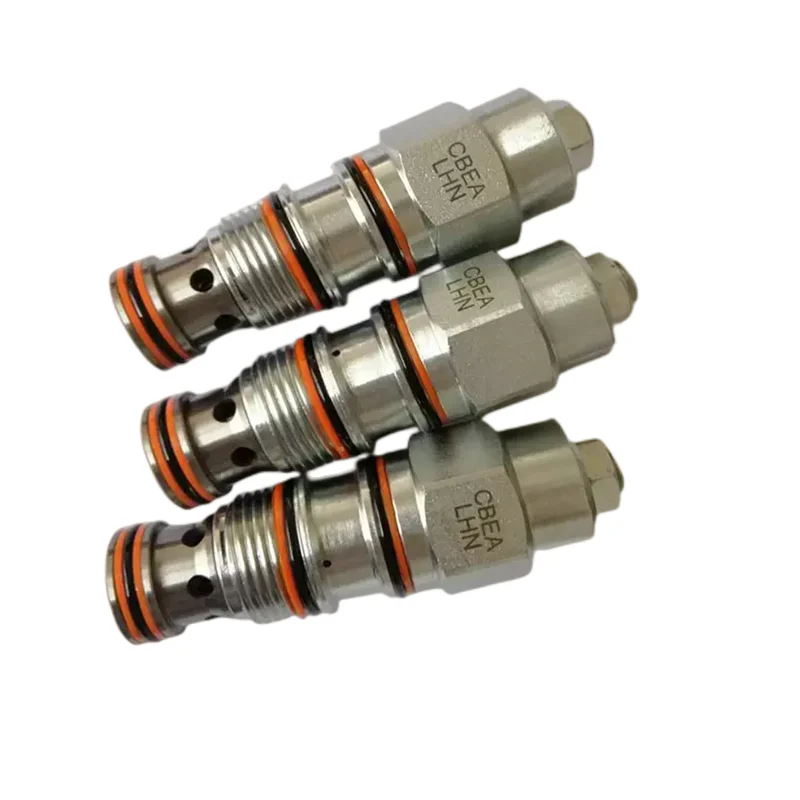
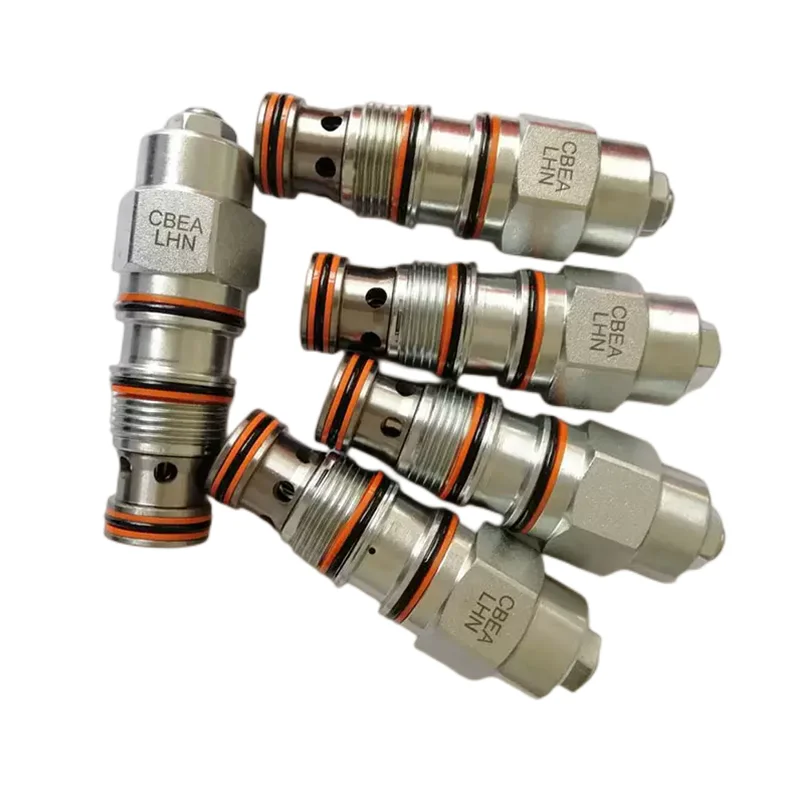
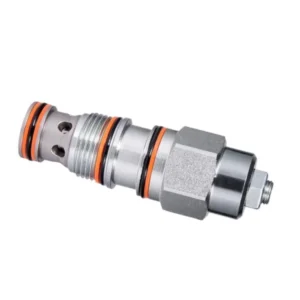
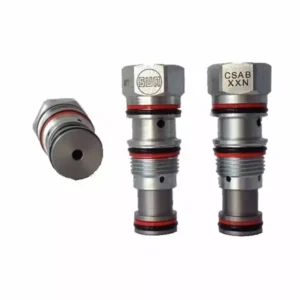
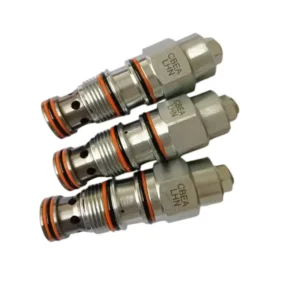
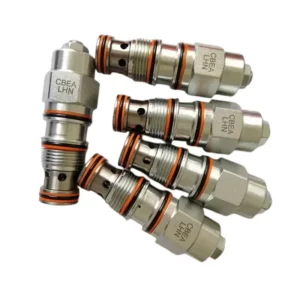
RVEA-LCN Sun Hydraulics Relief Cartridge Valve T-2A 350 bar 120 L/min
| Model Number | RVIA-LBN |
|---|
SKU
N/A
Categories Hydraulic Valve, Pressure Valve
Tags adjustable pressure relief valve, air pressure relief valve, air relief valve, air valve, automatic pressure relief valve, gas valve, kvc valve, mac valve, pressure relief valve, safety relief valve, smc valve, surge relief valve, thermal relief valve, vacuum relief valve, valve
Product Description
Product Overview
The RVEA-LCN, RVGA-LWN, RVCA-LAN, RVIA-LHN, and RVBA-LHN series are classic pilot-operated, balanced piston relief cartridge valves from Sun Hydraulics. These are normally closed pressure regulating valves that open to tank (port 2) when the inlet (port 1) pressure reaches the valve setting, throttling flow to maintain the desired pressure level.
The series features a balanced piston design with the main stage orifice protected by a 150-micron stainless steel screen to prevent contamination from entering the pilot stage. A vent port (port 3) is provided between the main piston and pilot stage, enabling remote control via other pilot valves or 2-way valves.
The series covers a wide flow range from 60 L/min to 480 L/min across multiple standard cavities including T-11A, T-17A, and T-19A.
As a direct replacement solution for Sun Hydraulics original products, this series strictly complies with Sun Hydraulics technical standards and offers complete interchangeability—direct drop-in replacement without any modification to manifold cavities or piping connections. Every unit undergoes 100% simulated duty cycle testing prior to shipment, ensuring performance reliability and long-term operational stability under actual working conditions.
Technical Specifications (Bulleted List)
RVEA-LCN
Model: RVEA-LCN
Product Type: Ventable, pilot-operated, balanced piston relief valve
Cavity: T-2A
Capacity: 120 L/min (30 gpm)
Maximum Operating Pressure: 350 bar (5000 psi)
Adjustable Range: 10.5 – 420 bar
Factory Pressure Settings Established at: 15 L/min (4 gpm)
Control Pilot Flow: 7 – 10 in³/min (0.11 – 0.16 L/min)
Adjustment – Turns to Increase Setting: 5 clockwise
Valve Installation Torque: Refer to T-2A cavity standard
Weight: Approx. 0.30 kg (0.70 lb)
Recommended Housing: BCW/S
RVGA-LWN
Model: RVGA-LWN
Product Type: Ventable, pilot-operated, balanced spool relief valve
Cavity: T-17A
Series: Series 3
Capacity: 240 L/min (60 gpm)
Maximum Operating Pressure: 350 bar (5000 psi)
Factory Pressure Settings Established at: 15 L/min (4 gpm)
Control Pilot Flow: 15 – 20 in³/min (0.25 – 0.33 L/min)
Response Time – Typical: Approx. 10 ms
Leakage at 110 SUS (24 cSt) : 65 cc/min @ 70 bar
Adjustment – Turns to Increase Setting: 5 clockwise
Valve Hex Size: 31.8 mm
Valve Installation Torque: 203 – 217 Nm
Locknut Torque: 9 – 10 Nm
Weight: 0.62 kg
Seal Kits: Buna 990017007 / EPDM 990017014 / Viton 990017006
RVCA-LAN
Model: RVCA-LAN
Product Type: Ventable, pilot-operated, balanced piston relief valve
Cavity: T-11A
Series: Series 1
Capacity: 60 L/min (15 gpm)
Maximum Operating Pressure: 350 bar (5000 psi)
Factory Pressure Settings Established at: 15 L/min (4 gpm)
Control Pilot Flow: 7 – 10 in³/min (0.11 – 0.16 L/min)
Response Time – Typical: Approx. 10 ms
Leakage at 110 SUS (24 cSt) : 30 cc/min @ 70 bar (2 in³/min @ 1000 psi)
Adjustment – Turns to Increase Setting: 5 clockwise
Valve Hex Size: 22.2 mm (7/8 in)
Valve Installation Torque: 45 – 50 Nm (30 – 35 lbf ft)
Locknut Torque: 12 Nm (108 lbf in)
Weight: 0.15 kg (0.34 lb)
Seal Kits: Buna 990-011-007 / Viton 990-011-006
RVIA-LHN
Model: RVIA-LHN
Product Type: Ventable, pilot-operated, balanced piston relief valve
Cavity: T-19A
Capacity: 480 L/min (120 gpm)
Maximum Operating Pressure: 350 bar (5000 psi)
Control Pilot Flow: 15 – 20 in³/min (0.25 – 0.33 L/min)
Response Time – Typical: Approx. 10 ms
Adjustment Screw Hex Socket Size: 4 mm (5/32 in)
Weight: Approx. 1.40 kg (3.10 lb)
Seal Kits: Viton 990019006
RVBA-LHN
Model: RVBA-LHN
Product Type: Ventable, pilot-operated, balanced piston relief valve
Cavity: T-19A
Maximum Operating Pressure: 350 bar (5000 psi)
Note: Refer to Sun Hydraulics technical catalog for detailed flow specifications
Key Technical Advantages
1. Balanced Piston Design – High Accuracy & Low Pressure Rise
The series features a balanced piston design that delivers high pressure regulation accuracy with minimal pressure rise versus flow. This ensures the valve maintains precise pressure control even under significant flow fluctuations, making it ideal for systems where pressure stability is critical.
2. Vent Port (Port 3) – Flexible Remote Control Capability
A vent port (port 3) is provided between the main piston and pilot stage. By connecting a remote pilot relief valve or 2-way valve to port 3, the valve can be controlled remotely below its own setting. This design offers exceptional flexibility for multi-point pressure control and remote pressure adjustment in complex hydraulic systems.
3. 150-Micron Stainless Steel Screen – Reliable Orifice Protection
The main stage orifice is protected by a 150-micron stainless steel screen. This effectively prevents particulate contamination from entering the pilot stage, significantly reducing the risk of pressure response lag and setpoint drift caused by orifice blockage, and substantially enhancing reliability and service life in demanding fluid conditions.
4. Full Pressure at Port 2 – Suitable for Cross-Port Relief Circuits
These valves can accept full pressure at port 2 (tank port) , making them particularly suitable for cross-port relief circuits. However, spool leakage must be carefully considered in such applications.
5. Sun Floating Style Construction – Eliminates Binding from Installation Stress
The spool assembly incorporates Sun Hydraulics’ patented floating style construction, allowing internal parts to float within the cavity. This design effectively eliminates the risk of internal binding caused by excessive installation torque or cavity/cartridge machining variations, ensuring smooth operation and long-term reliability.
6. Wide Flow Range Coverage – Adapts to Diverse System Requirements
The series covers a broad flow range from 60 L/min (RVCA-LAN) to 480 L/min (RVIA-LHN), compatible with multiple standard cavities including T-11A, T-17A, and T-19A. Users can flexibly select the appropriate model based on system flow requirements without changing manifold designs.
Application Areas
Hydraulic System Overpressure Protection: Main system relief or branch circuit safety valves to prevent pressure exceedance
Cross-Port Relief Circuits: Bidirectional overpressure protection between two ports of hydraulic motors or cylinders
Load Sensing Systems: Pressure limiting valves to set maximum system operating pressure
Pilot Control Circuits: Remote pressure setting and control via port 3 with external pilot valves
Mobile Hydraulic Systems: Reliable overpressure protection for construction and agricultural machinery
Industrial Hydraulic Systems: Pressure limiting for injection molding machines, presses, metallurgical equipment
Test Equipment: Precise pressure setting and protection for hydraulic test benches
Expert Maintenance Tips
1. Cavity Cleaning & Pre-Installation Inspection
Thoroughly clean the manifold cavity (T-2A / T-11A / T-17A / T-19A) prior to installation to ensure no debris or burrs. Inspect O-ring seals for aging, damage, or deformation. While Sun’s floating construction minimizes installation stress effects, cavity machining precision must still meet standard requirements.
2. Strict Torque Control
Installation torque varies by model and must strictly follow the specified values:
RVCA-LAN (T-11A) : 45 – 50 Nm
RVGA-LWN (T-17A) : 203 – 217 Nm
Use a torque wrench to apply specified torque—over-torquing or under-torquing can cause seal failure or spool binding.
3. Port 2 Back Pressure – 1:1 Additive Effect
Back pressure at the tank port (port 2) is directly additive to the valve setting at a 1:1 ratio. When designing the system return line, carefully control T-port back pressure to prevent actual cracking pressure from deviating from the set value. Consider system return back pressure when setting the valve.
4. Not Suitable for Load Holding Applications
Due to inherent spool leakage, this series is not recommended for load holding applications. For load holding functions, use pilot-operated check valves or counterbalance valves specifically designed for such applications.
5. Seal Material Selection & Fluid Compatibility
Standard configuration uses NBR seals for mineral oil-based hydraulic fluids. For systems using phosphate ester fluids, EPDM seals are required. EPDM seals must not be exposed to petroleum-based hydraulic fluids or lubricating greases, as this will damage the seals.
6. Regular Functional Testing & Maintenance
Perform preventive maintenance every 2,000 operating hours or every six months:
Verify valve cracking pressure matches the set value
Check for abnormal leakage or pressure drift
Inspect the stainless steel screen protecting the main stage orifice for blockage
Inspect O-ring seals for aging, hardening, or damage (replace seals after every disassembly)


Company Profile

Frequently Asked Questions
1.What ls our Main Products?
1.Hydraulic pump
2.Hydraulic valve
3.Hydraulic motor
4.Hydraulic cylinder
5.Hydraulic parts
2. What about the MOQ?
3.What are your advantages?
- Adhere to quality first.
- Support customization, ODM & OEM service.
- 1-year warranty and complete after-sales support.
- Safe and fast shipping worldwide.
- 24-hour online service for your inquiries.
4.Are you a manufacturer? What’s your delivery time?
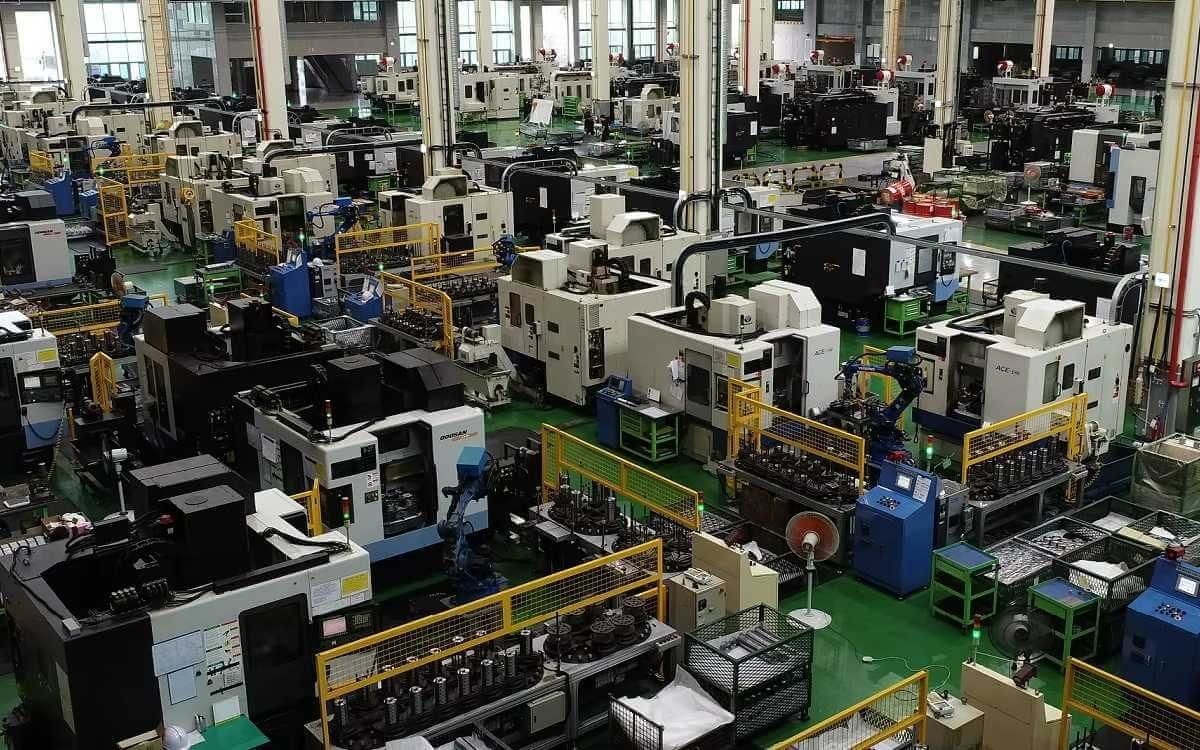
Yes, we are a manufacturer with our own factory.
Common models are in stock, and orders are usually shipped within 1–3 days.
5.Which payment methods are accepted?
We accept T/T, L/C, PayPal, VISA, Western Union, Apple Pay, Google Pay, Afterpay (Clearpay), Klarna, and Trade Assurance.
For full orders: 30% deposit, balance before shipment.
For small/sample orders: full payment in advance.
6.How will you deliver my goods?
We offer flexible shipping options: DHL, UPS, FedEx, TNT, EMS, as well as air or sea freight.
All deliveries ensure door-to-door fast and safe service.
7.How do you inspect and guarantee your products?
All products are tested before shipment to ensure perfect working condition.
We offer a 12-month warranty — if a product fails due to quality issues, we provide free spare parts or repair support.
8.What about after-sales service?
If you encounter any problem during use, please contact your sales manager or our support team at any time.
We will respond quickly and help solve the issue efficiently.
9.What are your main applications?
- Hydraulic systems
- Agricultural machinery
- Construction machinery
- Automobile industry
- Local distributors and maintenance centers
10.Can I get a discount for bulk orders?
Yes. We offer competitive wholesale prices and try our best to give benefits to long-term partners.
Shoot Us An Email
Professional Manufacturer