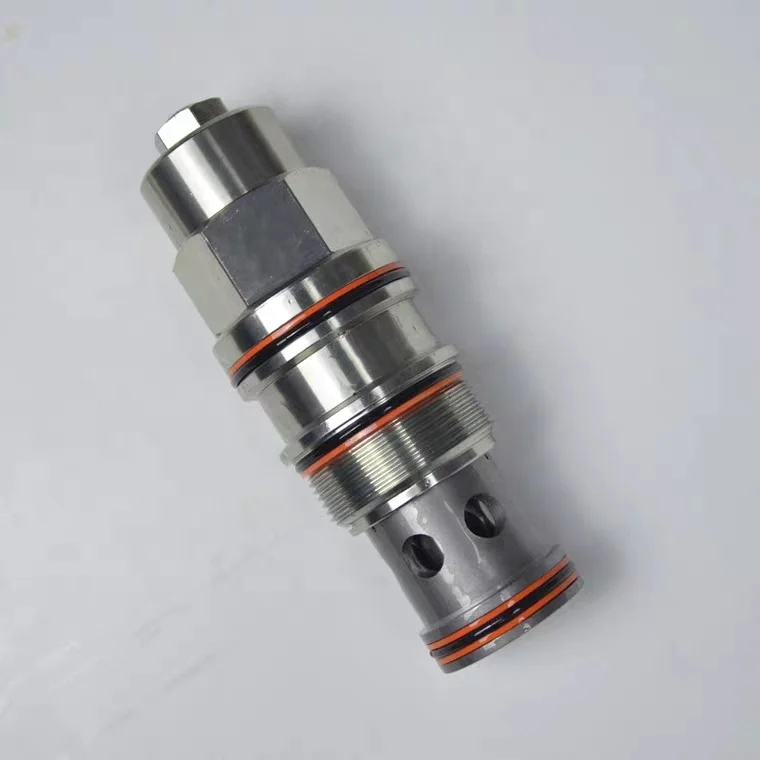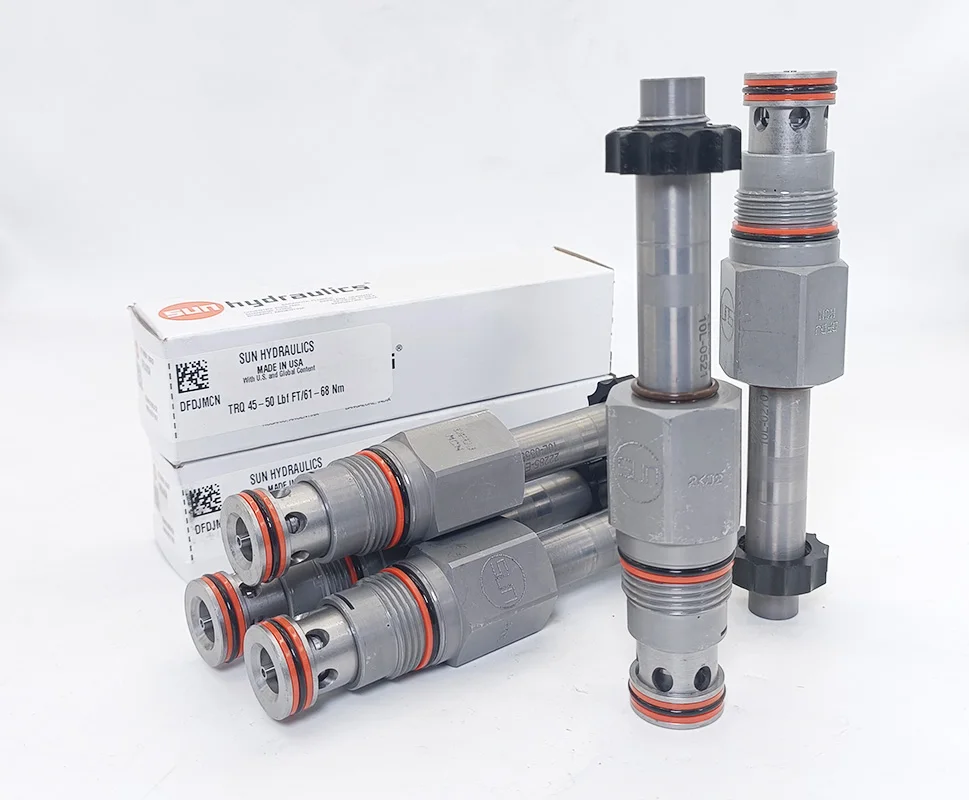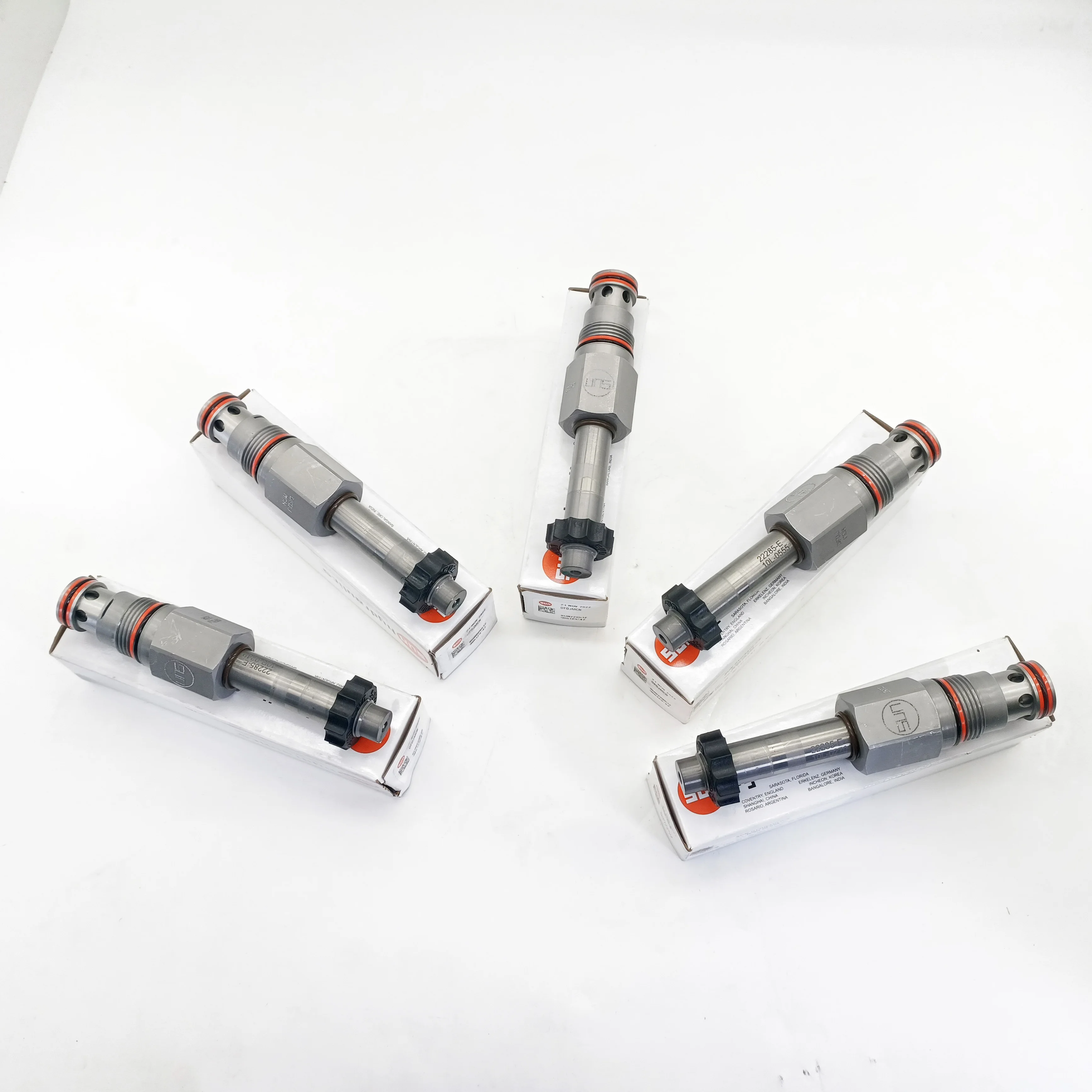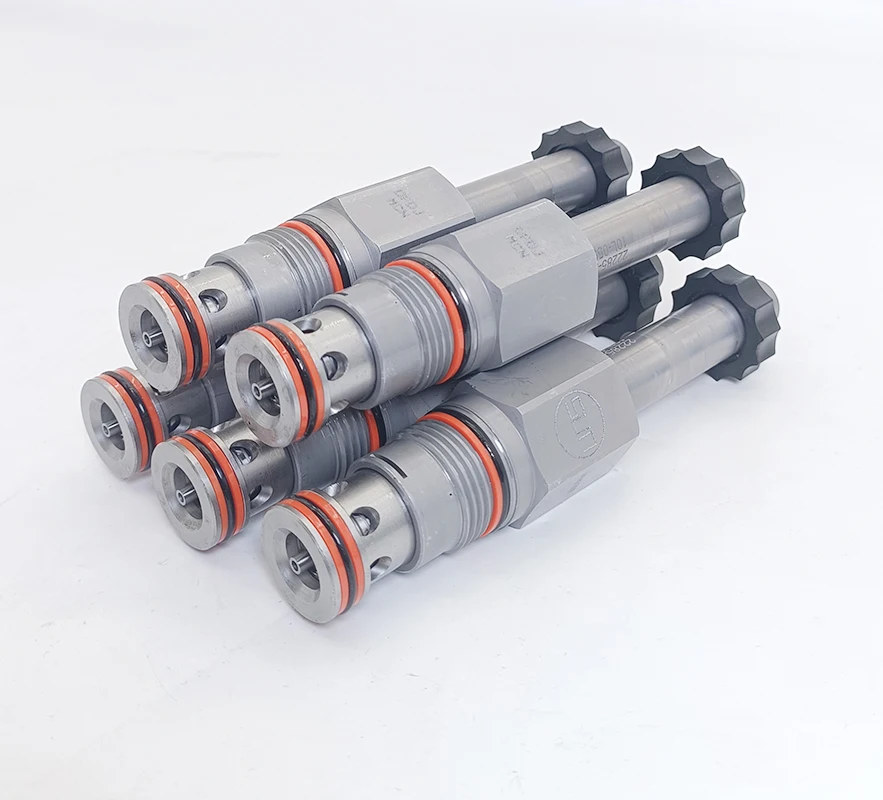
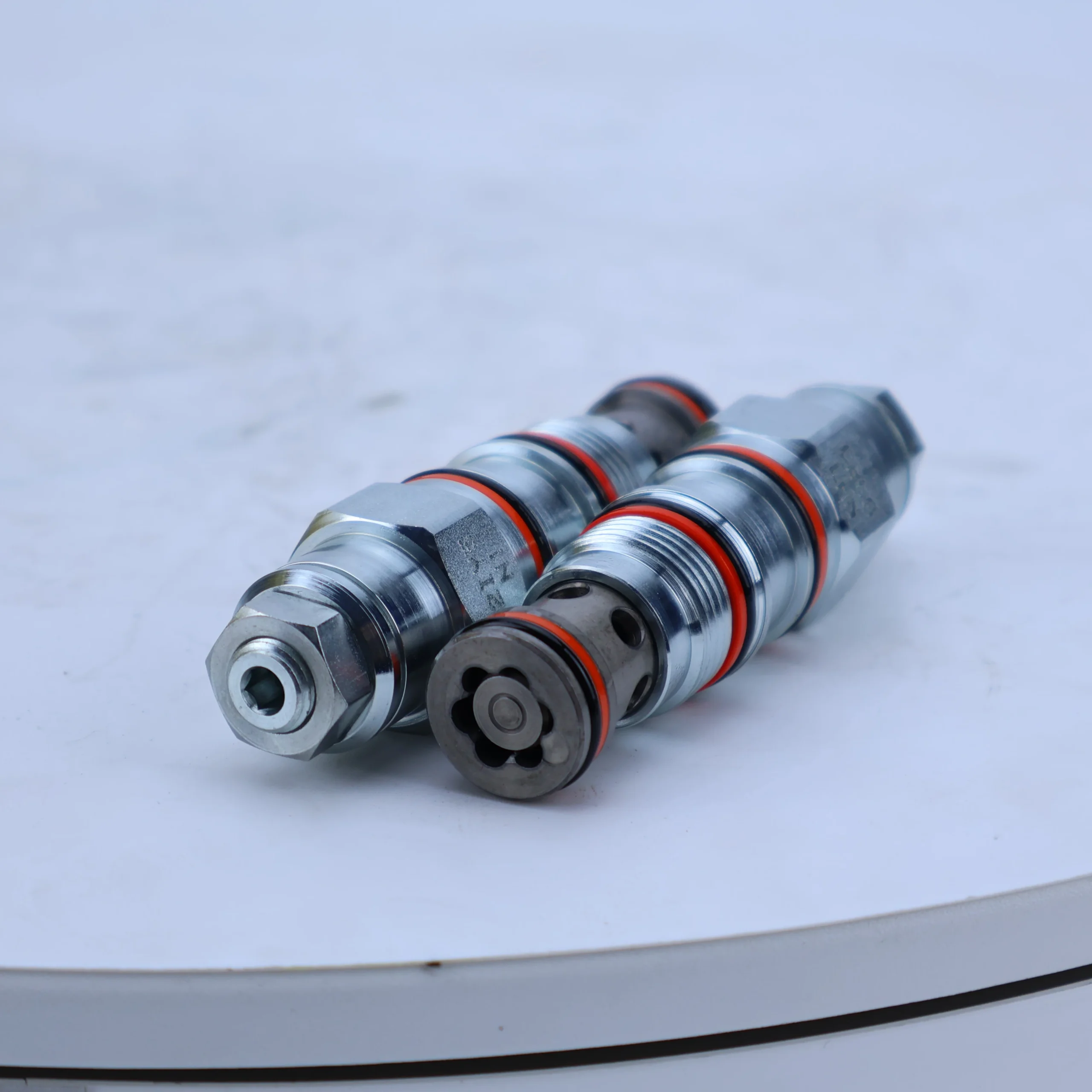
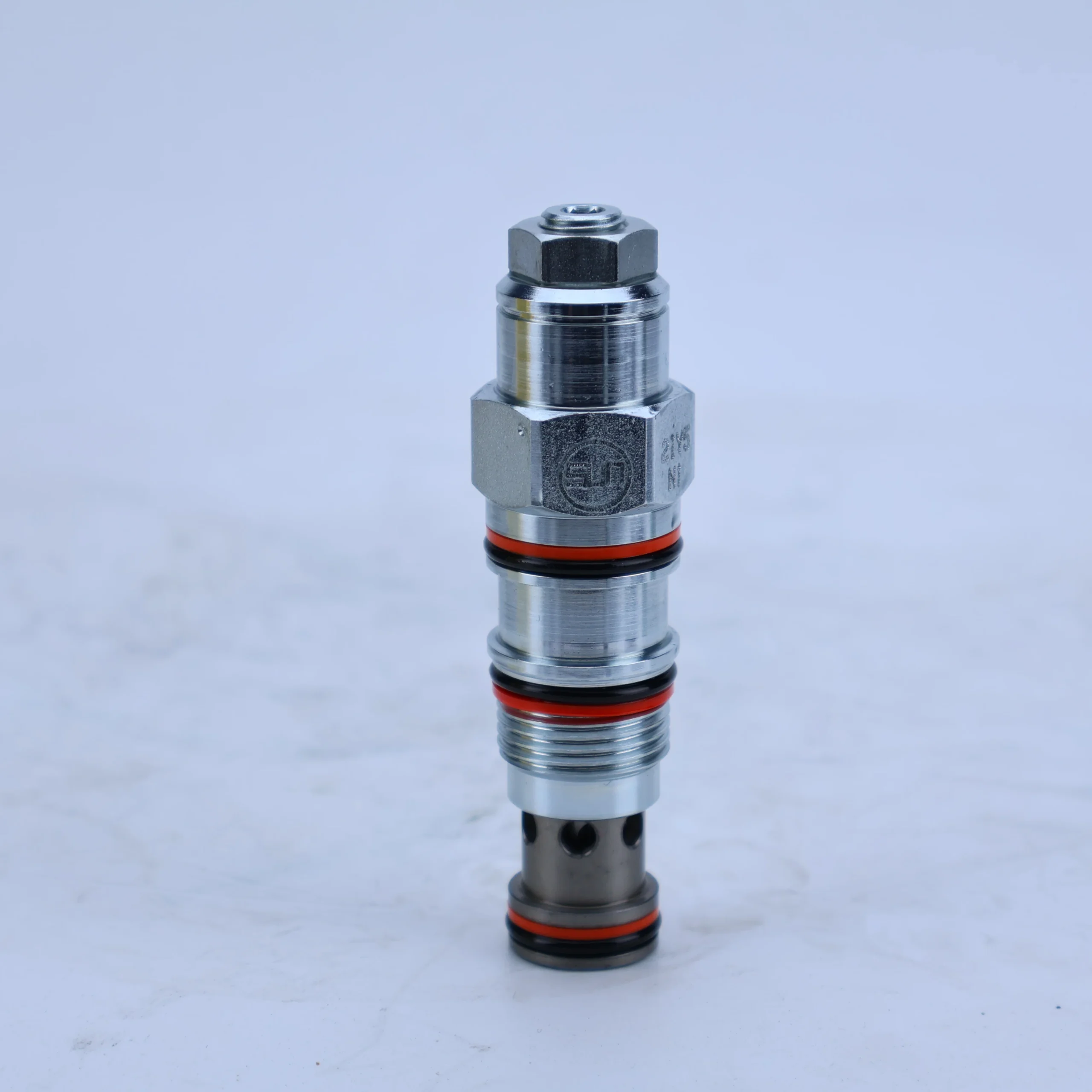
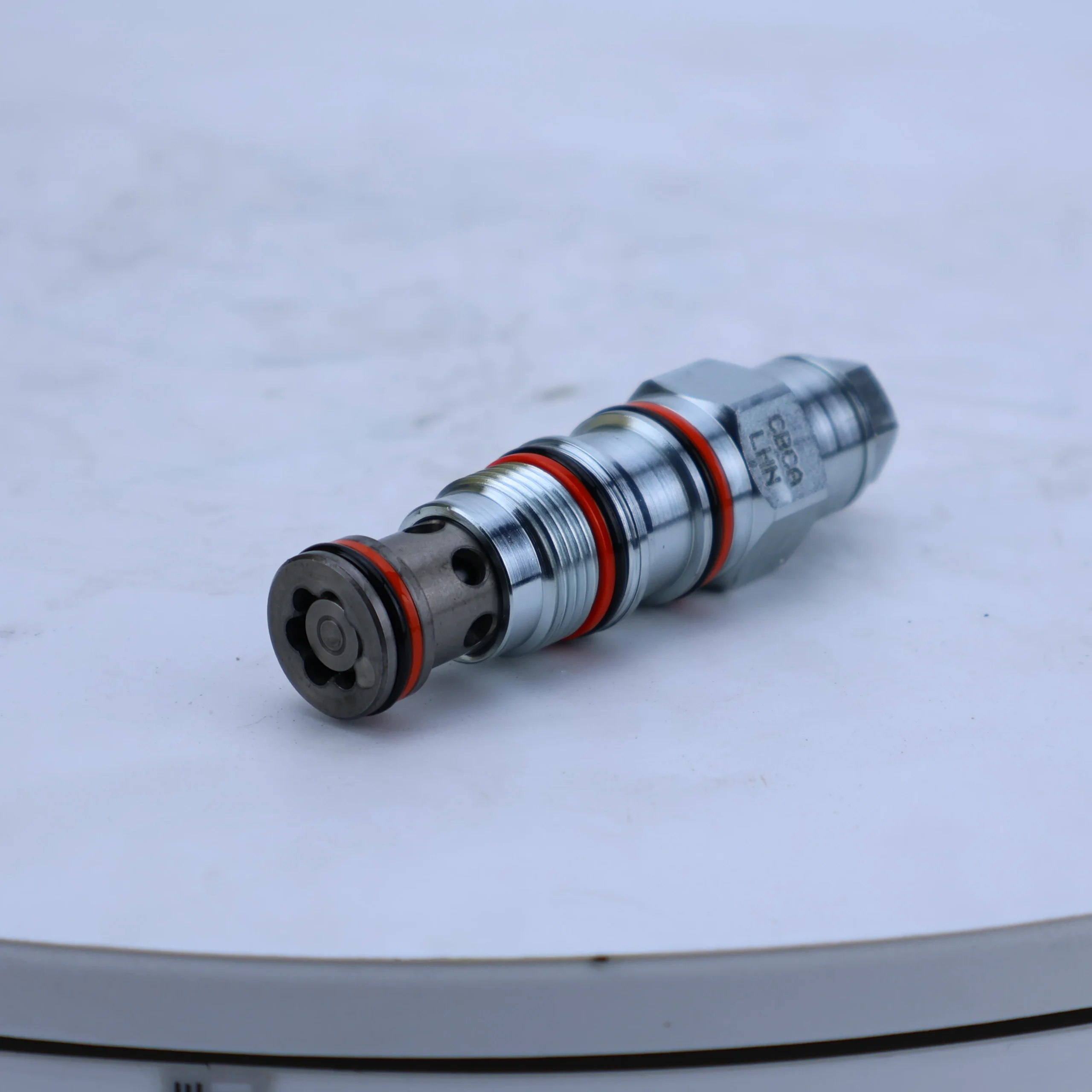
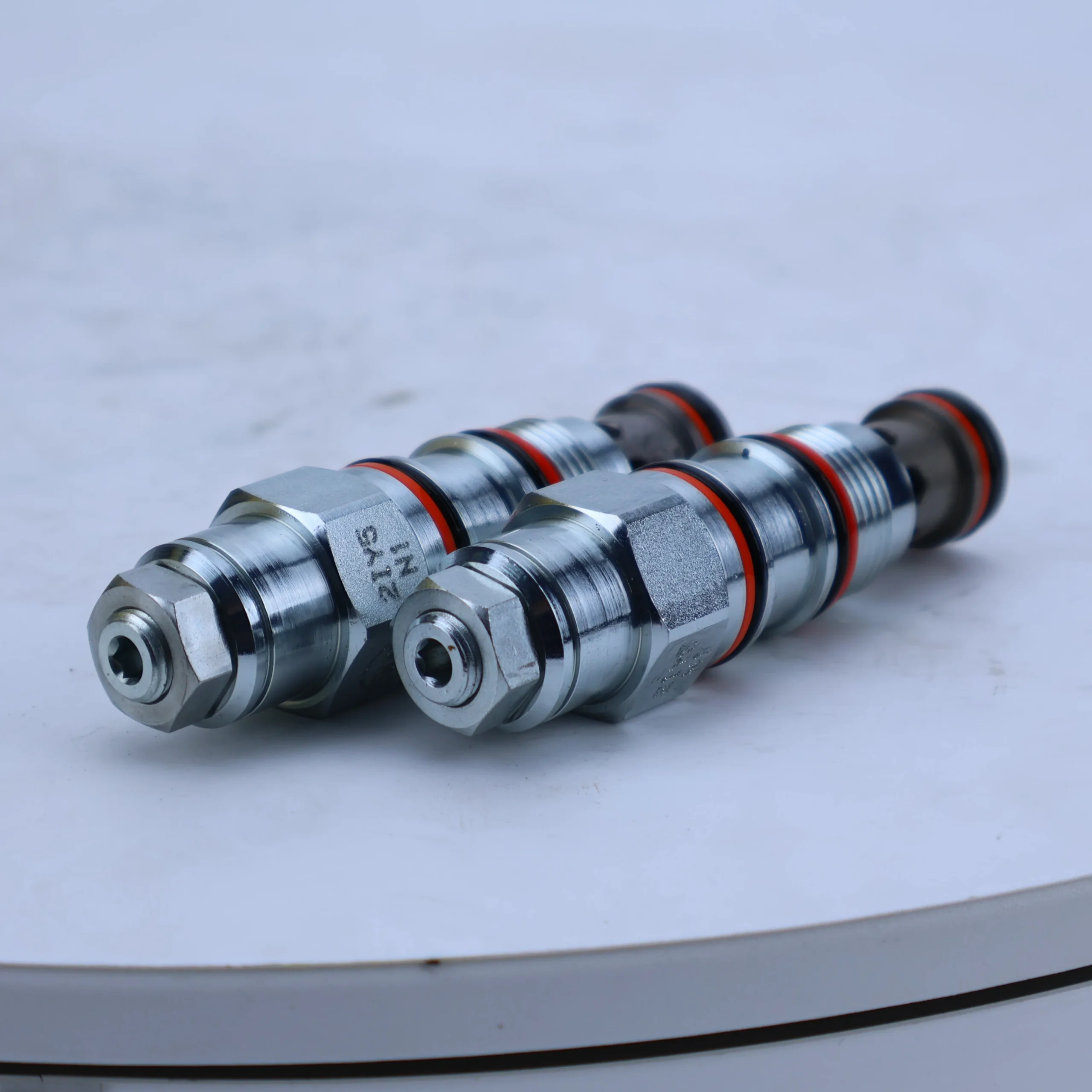
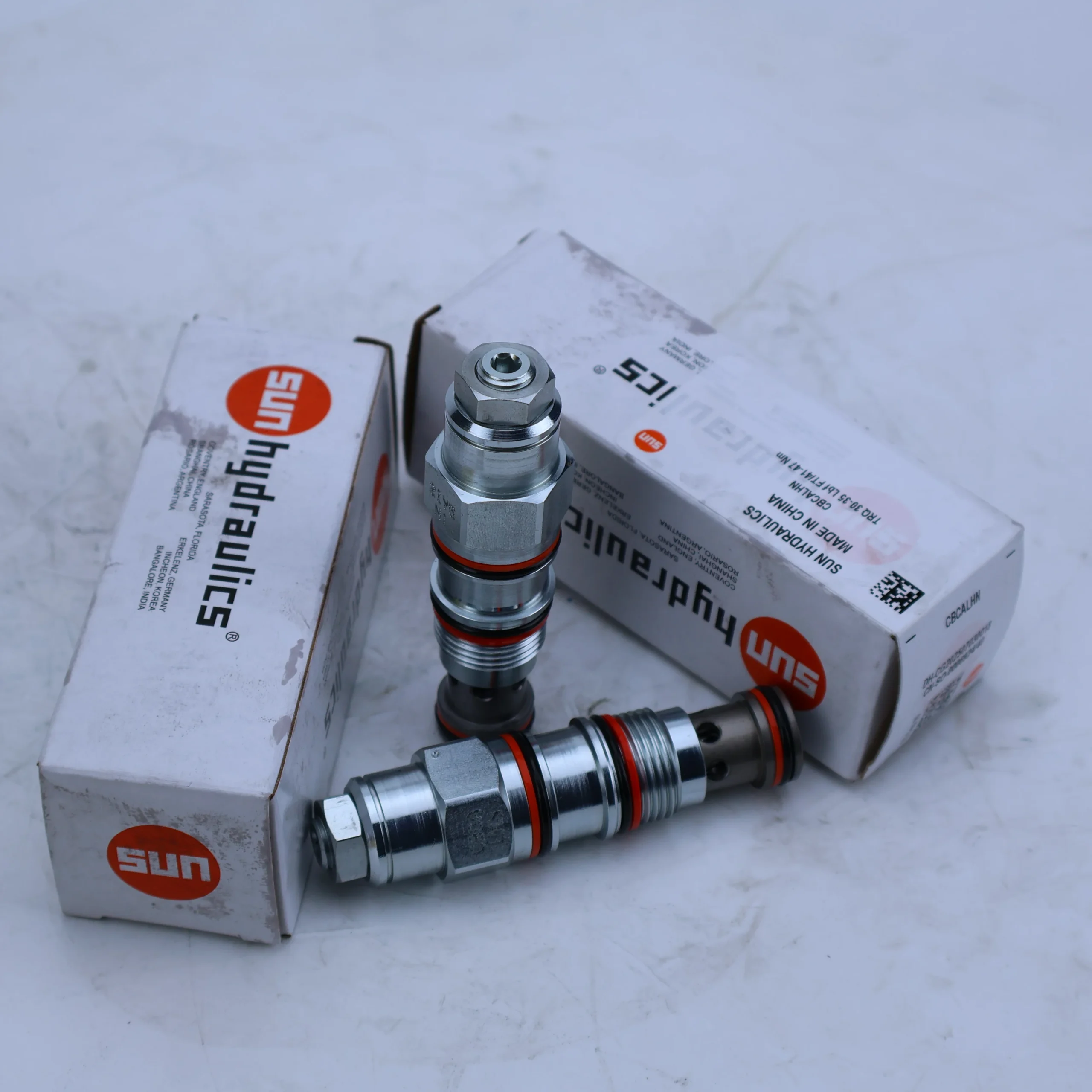
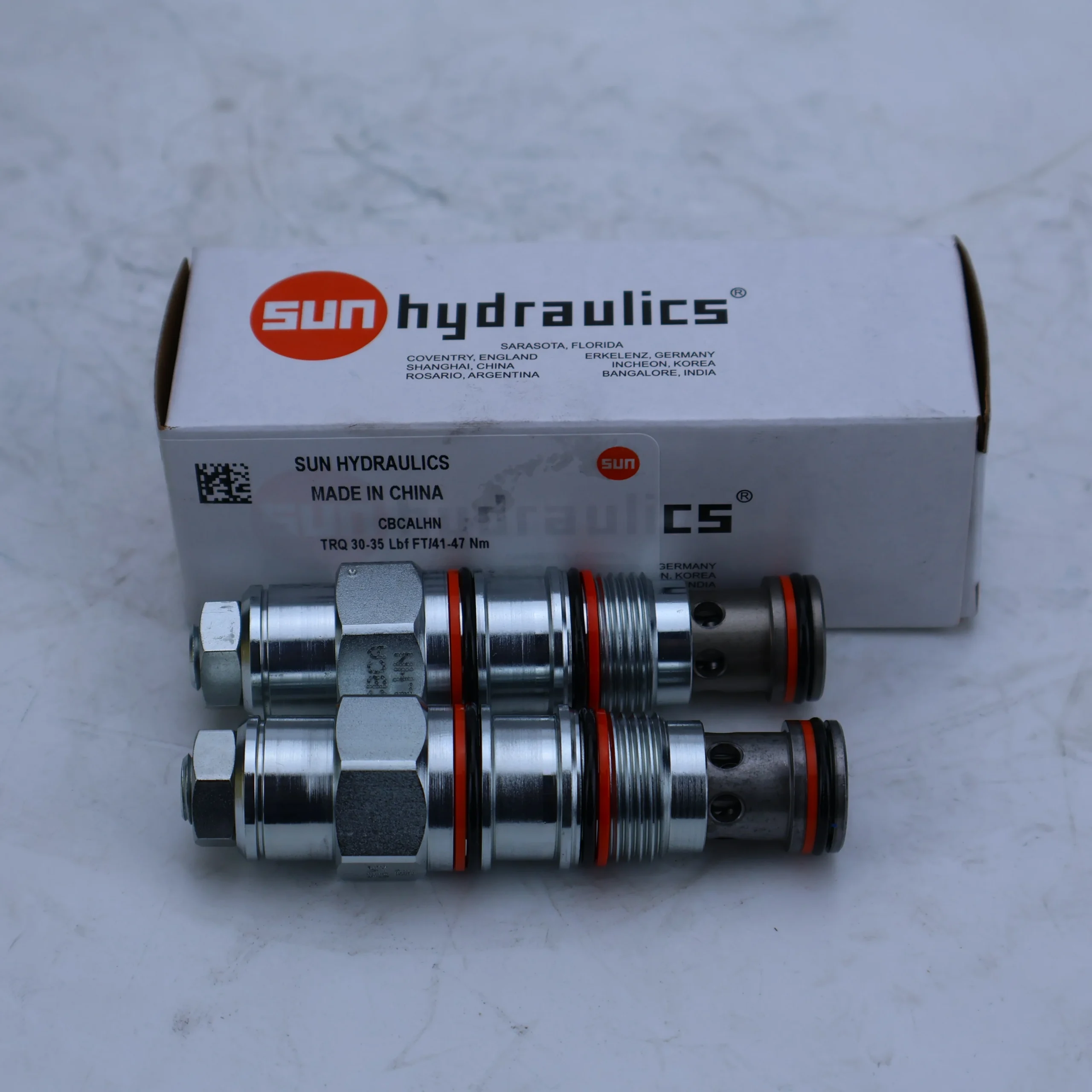
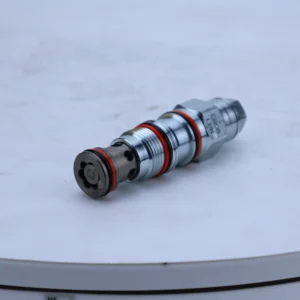
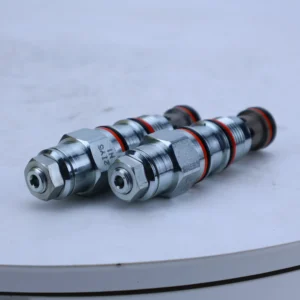
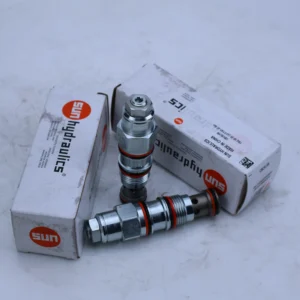
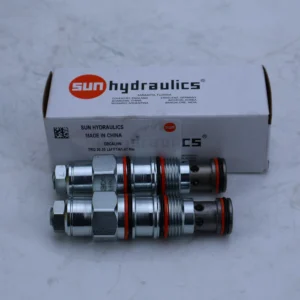
Original Cartridge Valve CBCA-LHN CBCG-LJN CXED-XCN CBBC-LHN CBEA-LHN Hydraulic Cartridge Valve PPDB CKEB RDDA CBCA
I. Technical Parameters
Maximum flow rate: 60 L/min
Maximum set pressure: 280 bar (adjustable from 70 to 280 bar)
Pressure guiding ratio: 3:1 (Pilot pressure to main oil circuit pressure ratio)
Socket specification: T-11A (Standard installation interface)
Sealing type: Nitrile rubber (Type N)
Structural form: Three-way port, conical valve structure, threaded cartridge type
Weight: Approximately 34.9gIi. Working Principle
CBCA-LHN is a balance valve with pilot-assisted opening and has bidirectional control function:
Unidirectional flow: The oil can flow freely from the directional valve port (Port 2) to the load port (Port 1) without any restrictions
Overflow control: When the pressure at the load port (Port 1) exceeds the set value, the valve opens, and the oil flows from port 1 to port 2, achieving the overflow function
Pilot assistance: The control port (Port 3) introduces pilot pressure, reducing the effective set value of the overflow function at a pressure guiding ratio of 3:1, allowing the valve to open at a lower main pressure and achieving a smooth decrease in load
Core working mechanism: By balancing the spring force and hydraulic pressure to control the opening and closing of the valve core, the pilot pressure can significantly reduce the main oil circuit pressure required for opening, which is particularly suitable for controlling vertical loads to prevent excessive descent
Maximum flow rate: 60 L/min
Maximum set pressure: 280 bar (adjustable from 70 to 280 bar)
Pressure guiding ratio: 3:1 (Pilot pressure to main oil circuit pressure ratio)
Socket specification: T-11A (Standard installation interface)
Sealing type: Nitrile rubber (Type N)
Structural form: Three-way port, conical valve structure, threaded cartridge type
Weight: Approximately 34.9gIi. Working Principle
CBCA-LHN is a balance valve with pilot-assisted opening and has bidirectional control function:
Unidirectional flow: The oil can flow freely from the directional valve port (Port 2) to the load port (Port 1) without any restrictions
Overflow control: When the pressure at the load port (Port 1) exceeds the set value, the valve opens, and the oil flows from port 1 to port 2, achieving the overflow function
Pilot assistance: The control port (Port 3) introduces pilot pressure, reducing the effective set value of the overflow function at a pressure guiding ratio of 3:1, allowing the valve to open at a lower main pressure and achieving a smooth decrease in load
Core working mechanism: By balancing the spring force and hydraulic pressure to control the opening and closing of the valve core, the pilot pressure can significantly reduce the main oil circuit pressure required for opening, which is particularly suitable for controlling vertical loads to prevent excessive descent
Iii. Product Features and Advantages
Compact structure: Threaded plug-in design, directly installed in the oil circuit block, reducing pipe connections and saving space
Quick response: The conical valve core fits precisely with the valve sleeve, without any hydraulic jamming phenomenon. It operates sensitively and is suitable for high-speed switching
Reliable sealing: The cone valve structure achieves zero leakage and is particularly suitable for high-pressure systems
Free-floating design: The valve tail end can float within the valve body, reducing the sensitivity to installation torque and preventing internal parts from getting stuck
Strong anti-pollution ability: Low requirements for oil filtration accuracy and reliable operation
Multi-functional integration: One valve can achieve the combined functions of a check valve, a relief valve and a sequence valve
Easy maintenance: It can be replaced without disassembling the pipeline, reducing maintenance time and downtime losses
Iv. Usage Functions and Purposes
Balance control: Mainly used to control vertical or inclined hydraulic cylinders, preventing the load from dropping due to excessive self-weight and providing a stable back pressure
Load holding: Lock the load position when the actuator is not in action to prevent sliding
Speed-limiting function: Controls the descent speed of the load to ensure safety
Motion control: Also known as “motion control valve”, it precisely controls the movement of the actuator
Prevent hydraulic shock: Smooth start and stop to reduce system vibration and shock
V. Applicable Machines and Scenarios
Typical equipment in application fields
Hydraulic excavators, cranes, loaders and forklifts for construction machinery
Metallurgical equipment: steel rolling mills, metallurgical cranes, continuous casting equipment
Mining machinery: mine hoists, shield machines
Mold balance control for injection molding machines
Ship cranes and hatch control systems in the shipbuilding industry
Dam gates and hoists of water conservancy machinery
Machine tool equipment includes combined machine tools and machining centers
Other fields include petrochemical equipment, light industrial machinery, and automated production lines
Particularly suitable for: Hydraulic systems that require vertical load control and prevention of “rolling” or “sliding”, such as aerial work platforms and elevator hydraulic systems
Vi. Comparison of Similar Models
The main differences in model flow rate (L/min), pressure guiding ratio and pressure regulating range (bar)
CBCA-LHN 60 3:170-280 standard type balance valve
CBEA-LHN 120 3:170-280 High flow type (120L/min)
CBGA-LHN 240 3:170-280 Larger flow rate type (240L/min)
CBCG-LHN 60 4.5:1 70-280 Different pressure guiding ratios (4.5:1)
CAEA-LHN 60~240 3:170 ~280 Atmospheric permeable Type (Spring cavity through the atmosphere)
Key points for selection: Choose the appropriate flow specification based on the system’s flow requirements. Select the pressure guiding ratio according to the control accuracy requirements. For high-pressure systems, attention should be paid to the maximum working pressure
Vii. Precautions for Use
1. Installation requirements
Make sure the socket is clean and free of burrs to avoid damaging the sealing ring
The installation torque should comply with the standard and avoid being too tight or too loose
The control port (Port 3) pipeline should be as short as possible and have no sharp turns to reduce pressure loss
2. Pressure setting
Minimum set value: The set value of the balance valve should be at least 1.3 times the load pressure to ensure system safety
Turning the adjusting rod clockwise reduces the set pressure, while turning it counterclockwise increases it
When the system is under pressure relief, the set value should not be lower than 14 bar (200 psi).
3. Precautions for Use
Valves with EPDM sealing rings are only suitable for phosphate ester hydraulic oil systems. Using petroleum-based hydraulic oil will damage the sealing rings
The leakage of the pilot port (port 3) is approximately 45 ml/min (at 70 bar), and this factor needs to be taken into account in the system design
The reset pressure value of the valve is 85% higher than the opening value to ensure the stability of the system
When installed vertically, the control port should be located at the top to prevent impurity deposition
4. Maintenance and care
Regularly check whether the connection parts of the valve are loose
It is recommended to replace the seals during a major system overhaul
After the pressure regulation is completed, be sure to tighten the pressure regulating nut to prevent accidental operation from changing the set value
Avoid frequent pressure shocks and extend the service life of the valve