

Product Overview
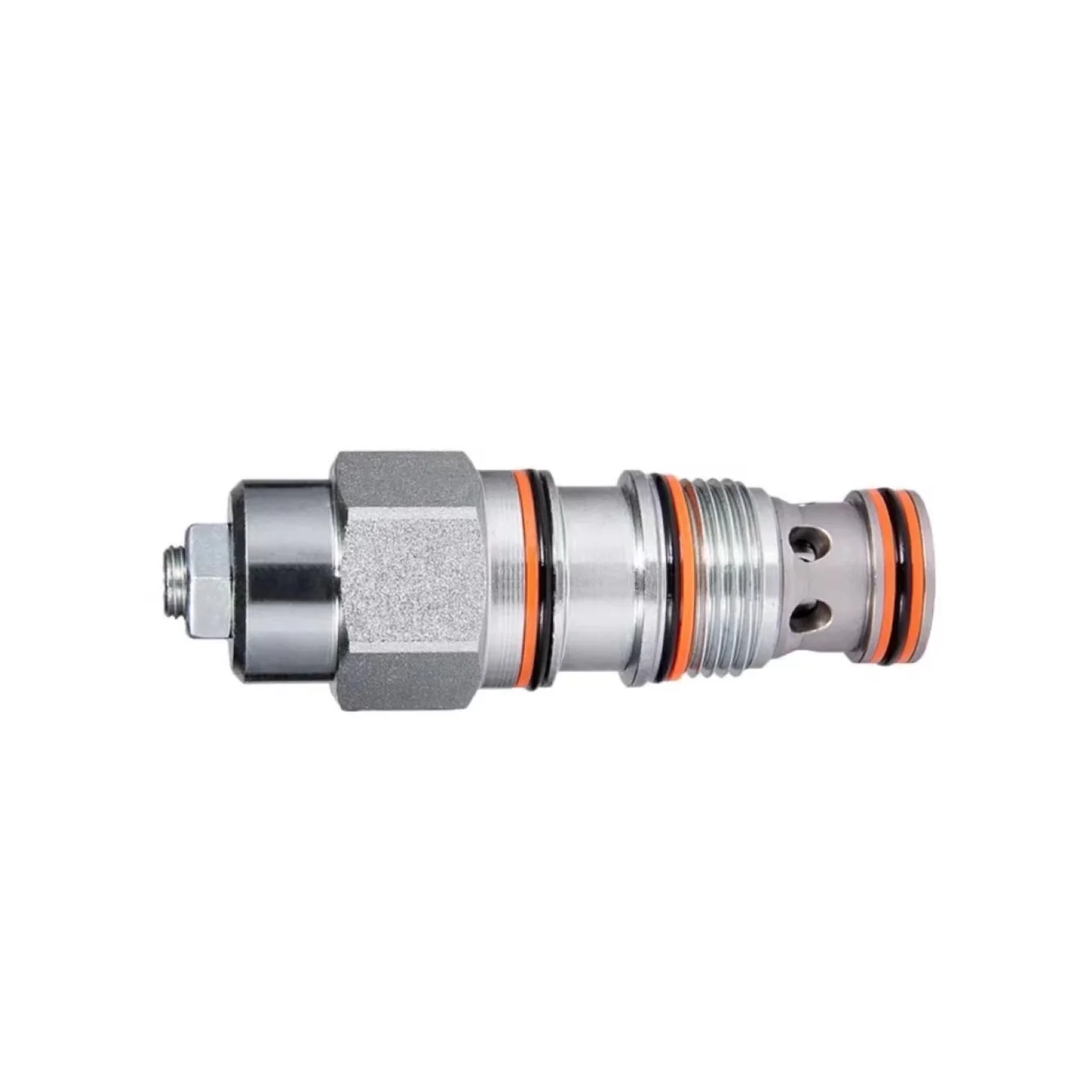
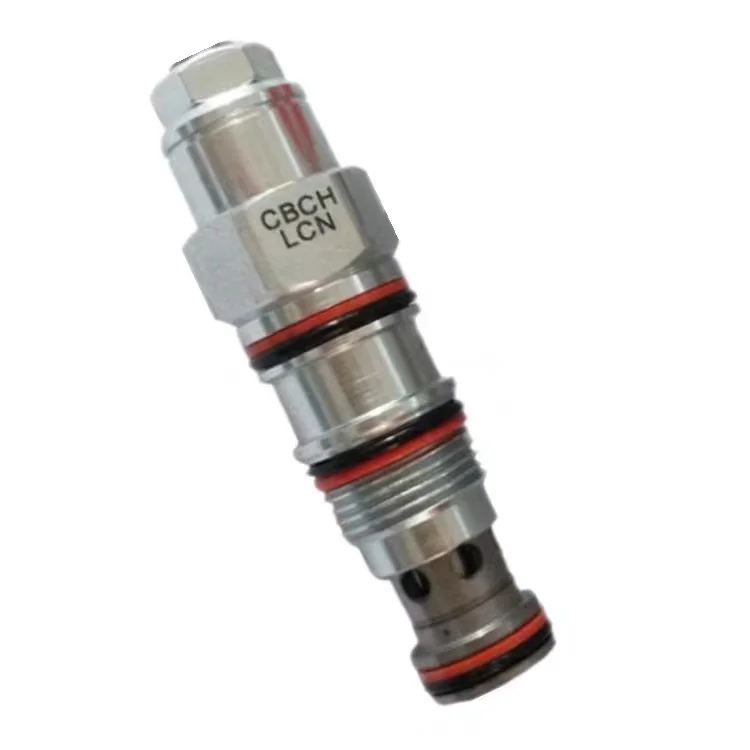
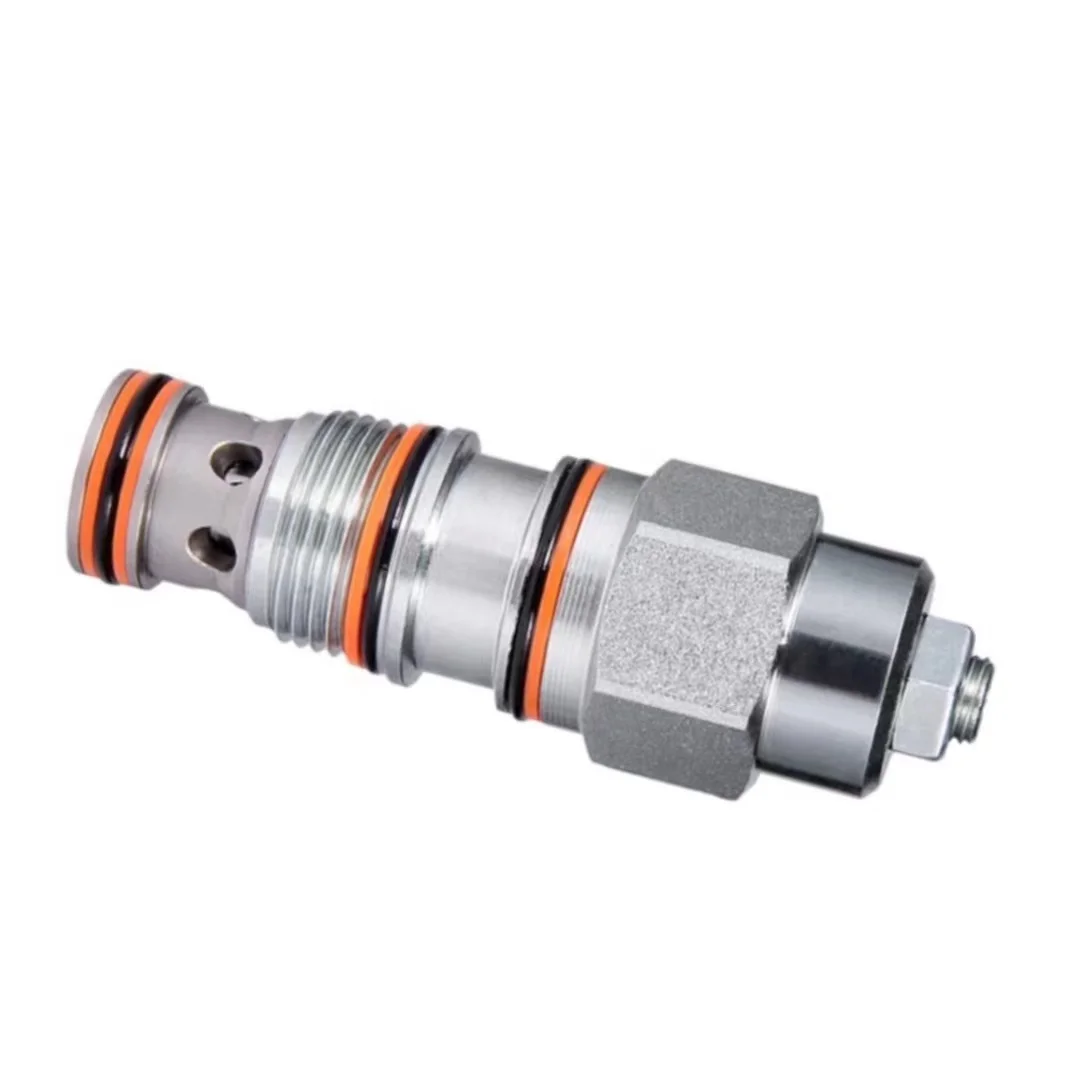
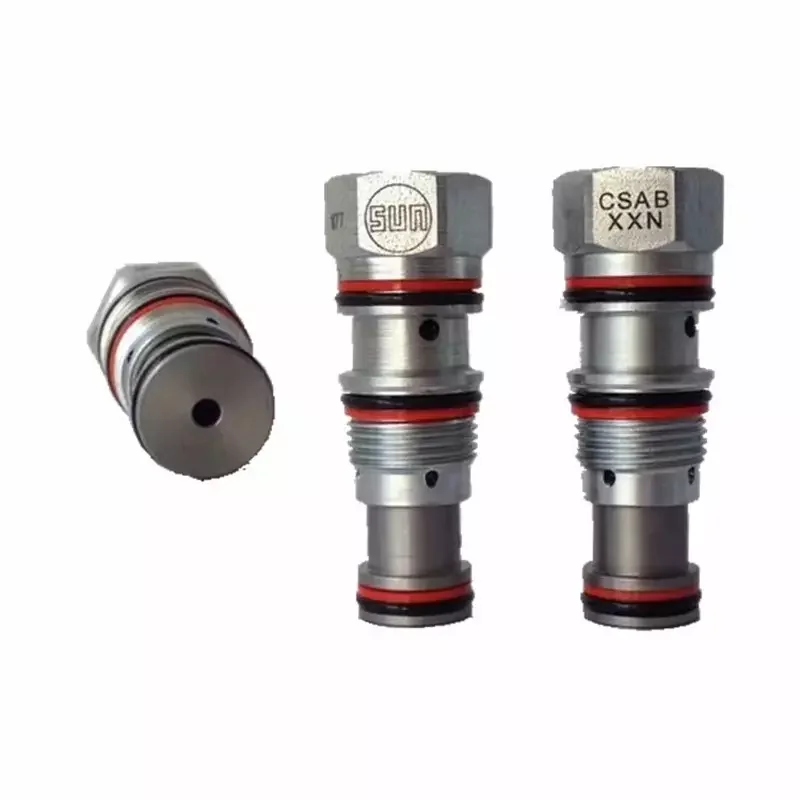
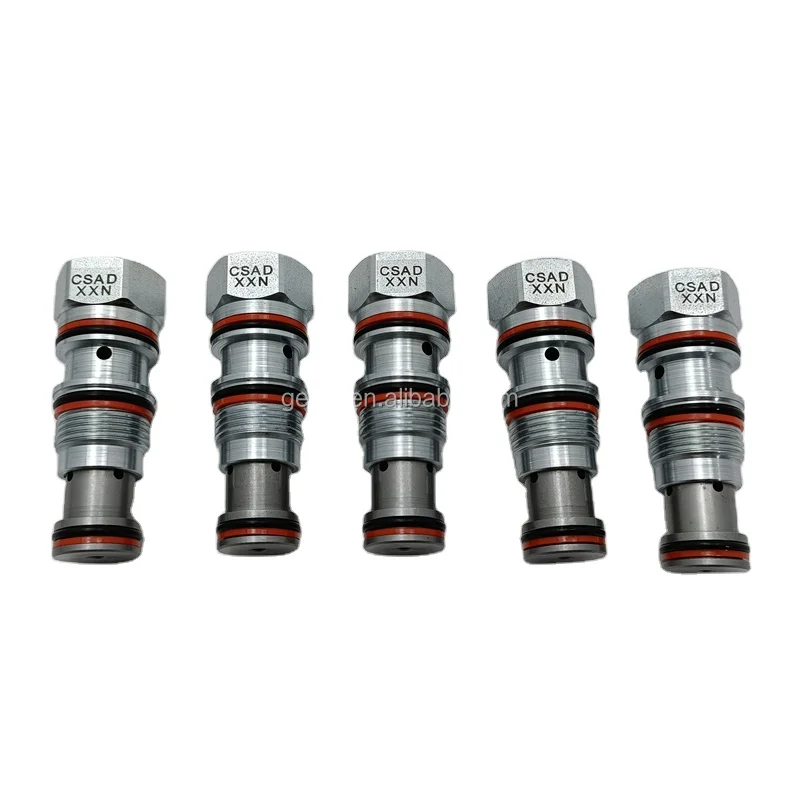
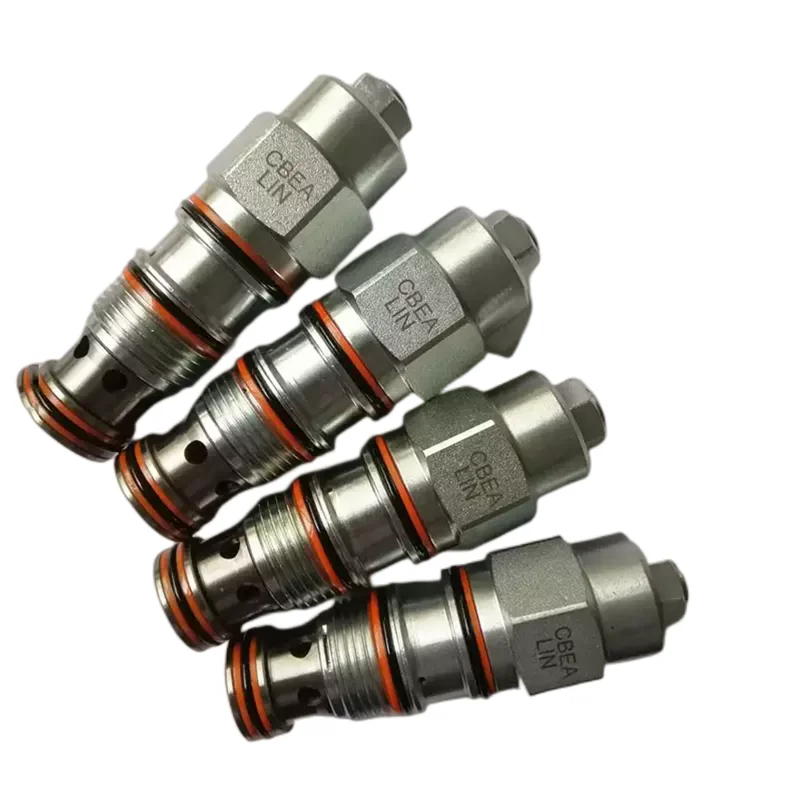
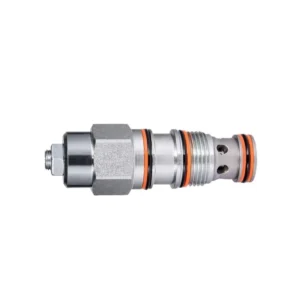
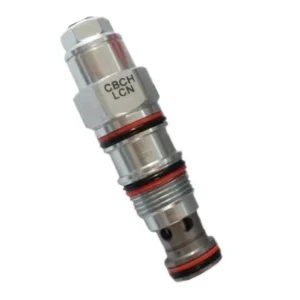
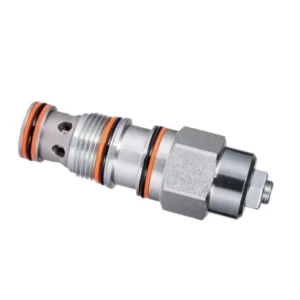
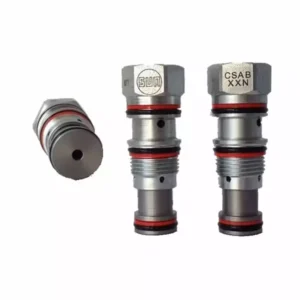
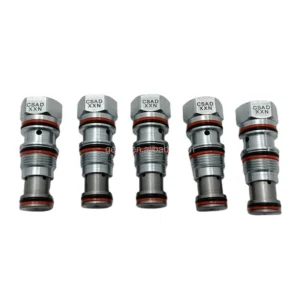
CBEA-CHN, CBEA-LHN, and CBEA-LIN are 3:1 pilot ratio standard capacity counterbalance valves from Sun Hydraulics, featuring T-2A cavity. CKEB-XCN is a pilot-to-open check valve, also using the T-2A cavity.
Counterbalance valves (also known as motion control or over-center valves) control overrunning loads. A check valve allows free flow from the directional valve (port 2) to the load (port 1), while a direct-acting, pilot-assisted relief valve controls flow from port 1 to port 2. Pilot pressure at port 3 lowers the effective relief setting at the 3:1 pilot ratio.
CBEA Series Model Differentiation – primarily by check valve cracking pressure:
CBEA-CHN & CBEA-LHN: 1.7 bar (25 psi) cracking pressure—standard configuration for most applications
CBEA-LIN: 0.3 bar (4 psi) cracking pressure—for applications requiring actuator cavitation prevention
CKEB-XCN is a pilot-to-open check valve that allows free flow from port 2 to port 1 and blocks flow in the opposite direction. Pressure at pilot port 3 opens the valve from port 1 to port 2. Pilot pressure needed at port 3 is directly proportional to the load pressure at port 1.
As a direct replacement solution for Sun Hydraulics original products, this series strictly complies with Sun Hydraulics technical standards and offers complete interchangeability—direct drop-in replacement without any modification to manifold cavities. Every unit undergoes 100% simulated duty cycle testing prior to shipment, ensuring performance reliability and long-term operational stability under actual working conditions.
Technical Specifications
CBEA-CHN / CBEA-LHN / CBEA-LIN (3:1 Pilot Ratio Standard Capacity Counterbalance Valve)
Model: CBEA-CHN / CBEA-LHN / CBEA-LIN
Product Type: Counterbalance Valve, 3:1 pilot ratio, standard capacity
Cavity: T-2A
Series: 2
Capacity: 120 L/min (30 gpm)
Maximum Setting: 280 bar (4000 psi)
Maximum Recommended Load Pressure at Max. Setting: 215 bar (3075 psi)
Pilot Ratio: 3:1
Factory Pressure Setting Established at: 30 cc/min (2 in³/min)
Maximum Valve Leakage at Reseat: 5 drops/min
Reseat: >85% of setting
Adjustment (CCW Turns from Min. to Max.) : 3.75
Check Cracking Pressure:
CBEA-CHN / CBEA-LHN: 1.7 bar (25 psi)
CBEA-LIN: 0.3 bar (4 psi)
Valve Hex Size: 28.6 mm (1-1/8 in)
Valve Installation Torque: 61 – 68 Nm (45 – 50 lbf ft)
Adjustment Screw Internal Hex Size: 4 mm (5/32 in)
Locknut Hex Size: 14 mm (9/16 in)
Locknut Torque: 9 – 10 Nm (80 – 90 lbf in)
Weight: Approx. 0.29 – 0.34 kg (0.63 lb)
Seal Kits: Buna 990202007 / EPDM 990202014 / Polyurethane 990002002 / Viton 990202006
CKEB-XCN (Pilot-to-Open Check Valve)
Model: CKEB-XCN
Product Type: Pilot-to-Open Check Valve
Cavity: T-2A
Series: 2
Capacity: 120 L/min (30 gpm)
Maximum Operating Pressure: 350 bar (5000 psi)
Pilot Ratio: 3:1
Maximum Valve Leakage (110 SUS / 24 cSt) : 0.07 cc/min (1 drop/min)
Valve Hex Size: 28.6 mm (1-1/8 in)
Valve Installation Torque: 61 – 68 Nm (45 – 50 lbf ft)
Weight: Approx. 0.25 kg (0.50 lb)
Seal Kits: Viton 990202006
Key Technical Advantages
CBEA-CHN / CBEA-LHN / CBEA-LIN Counterbalance Valves
1. 3:1 Pilot Ratio – Precise Load Control
The 3:1 pilot ratio means pilot pressure at port 3 lowers the effective relief setting at a 3:1 rate. Operators can control high load pressures with relatively low pilot pressures for smooth load lowering and excellent feel.
2. Integrated Check Valve – Free Flow to Load
An integrated check valve allows free flow from the directional valve (port 2) to the load (port 1). Two check cracking pressures are available—1.7 bar (CHN/LHN) for standard applications, and 0.3 bar (LIN) for actuator cavitation prevention.
3. Pilot-Assisted Direct-Acting Relief – Precise Pressure Control
The relief section uses a direct-acting, pilot-assisted design for fast response and high control accuracy. Direct-acting response is faster than pure pilot-operated designs under sudden load changes.
4. High Reseat Ratio – Reliable Closing
CBEA series offers a reseat ratio >85% of setting under standard settings. The valve reliably closes after pressure decay to prevent load drift, ensuring system safety and positioning accuracy.
5. Sun Floating Style Construction
Incorporates Sun Hydraulics’ patented floating style construction to eliminate internal binding from excessive installation torque or cavity/cartridge machining variations.
6. Direct Actuator Housing Installation
Sun counterbalance valves can be installed directly into a cavity machined in an actuator housing. This provides added protection, improved circuit stiffness, and reduces external piping requirements.
CKEB-XCN Pilot-to-Open Check Valve
1. Pilot-Operated Opening – Reliable Load Locking
CKEB-XCN is a pilot-to-open check valve that allows free flow from port 2 to port 1 and blocks flow in the opposite direction. Pressure at pilot port 3 opens the valve from port 1 to port 2. Pilot pressure is directly proportional to load pressure, ensuring reliable opening under varying load conditions.
2. Extremely Low Leakage – Less than 1 Drop/Minute
Maximum leakage is less than 1 drop per minute (0.07 cc/min) . This makes it ideal for long-term pressure holding and load locking applications.
3. Steel Seat & Heat-Treated Poppet – Long Service Life
The valve features a steel seat with heat-treated poppet and seat components. Heat-treated components deliver excellent wear resistance and fatigue strength for long-term sealing reliability under frequent cycling.
4. Standard Non-Sealed Pilot – Automatic Air Purging
The non-sealed pilot design allows trapped air in the pilot line to be automatically purged from the circuit. This eliminates pilot pressure response delays caused by air accumulation.
5. Sun Floating Style Construction
Incorporates Sun’s floating style construction to minimize internal parts binding due to excessive installation torque or cavity/cartridge machining variations.
6. Physical Interchangeability with 3-Port Counterbalance Valves
CKEB series pilot-to-open check valves are physically interchangeable with same-size 3-port counterbalance valves (same cavity, same flow path). This provides maximum flexibility—users can choose either a counterbalance valve or pilot-to-open check valve in the same cavity.
Application Areas
CBEA Series Counterbalance Valves
Hydraulic Cylinder Overrunning Load Control: Preventing uncontrolled load descent under gravity
Hydraulic Motor Braking Control: Smooth deceleration and stopping of motors under load
Cranes & Lifting Platforms: Preventing unintended boom or platform descent
Mobile Machinery: Motion control for excavator boom, arm, and other actuators
Injection Molding: Smooth clamping control and safety locking
Machine Tools: Smooth table feed control
CKEB-XCN Pilot-to-Open Check Valve
Hydraulic Locking Circuits: Preventing actuator movement after pressure loss
Hose Break Protection: Preventing uncontrolled load descent upon hose failure
Load Holding: Positively locking pressurized loads and preventing drift
Accumulator Isolation: Preventing reverse leakage from accumulators
Hydraulic Supports & Lifting Equipment: Reliable load locking at any position
Expert Maintenance Tips
CBEA Series Counterbalance Valves
1. Setting Pressure Safety Margin
Counterbalance valves should be set at least 1.3 times the maximum load-induced pressure. This ensures reliable operation under load fluctuations.
2. Adjustment Direction
Turn clockwise to decrease setting, counterclockwise to increase. Full clockwise setting is below 200 psi (14 bar) . Pay careful attention to adjustment direction during commissioning.
3. Port 2 Back Pressure Effect
Back pressure at port 2 adds to the effective relief setting at a ratio of (1 + pilot ratio) × back pressure. Ensure adequate return line sizing.
4. Check Cracking Pressure Selection
CBEA-LHN (1.7 bar) is for standard applications; CBEA-LIN (0.3 bar) is for actuator cavitation prevention. In most cases, use the 1.7 bar cracking pressure model unless cavitation is a concern.
5. Pilot Section Leakage Considerations
CBEA series has no positive seals in the pilot section. In master-slave circuits or cylinder leakage testing, consider leakage between ports 2 and 3 (up to 32 cc/min @ 70 bar).
6. Seal Material Selection
Standard NBR seals are for mineral oil-based fluids. EPDM seals are required for phosphate ester fluids. EPDM seals must not be exposed to petroleum-based fluids, greases, or lubricants.
7. Scheduled Maintenance
Perform functional testing every 2,000 operating hours:
Verify set pressure matches requirements
Check for jerking or creeping during load lowering
Verify check valve opens correctly
Inspect O-ring seals for aging or damage
CKEB-XCN Pilot-to-Open Check Valve
1. Pilot Pressure Calculation
Pilot pressure needed at port 3 is directly proportional to load pressure at port 1. Pressure at port 2 directly opposes pilot pressure. Ensure the pilot pressure source can provide sufficient pressure to overcome load pressure.
2. Non-Sealed Pilot Leakage Considerations
The standard non-sealed pilot allows trapped air to purge automatically. However, in master-slave circuits or leakage-sensitive systems, consider pilot section leakage effects.
3. Installation Torque
T-2A cavity installation torque: 61 – 68 Nm (45 – 50 lbf ft) . Use a torque wrench to avoid valve body distortion or seal failure.
4. Seal Inspection
Inspect O-ring seals after every disassembly—replace if aged or damaged. For phosphate ester fluids, use EPDM seals.
5. Scheduled Functional Check
Perform functional checks every 2,000 operating hours:
Verify reliable closing (no reverse leakage)
Verify reliable opening (normal flow under pilot pressure)
Inspect O-ring seals for aging or damage