


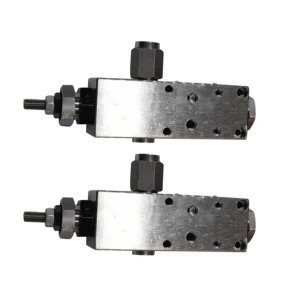
Product Overview
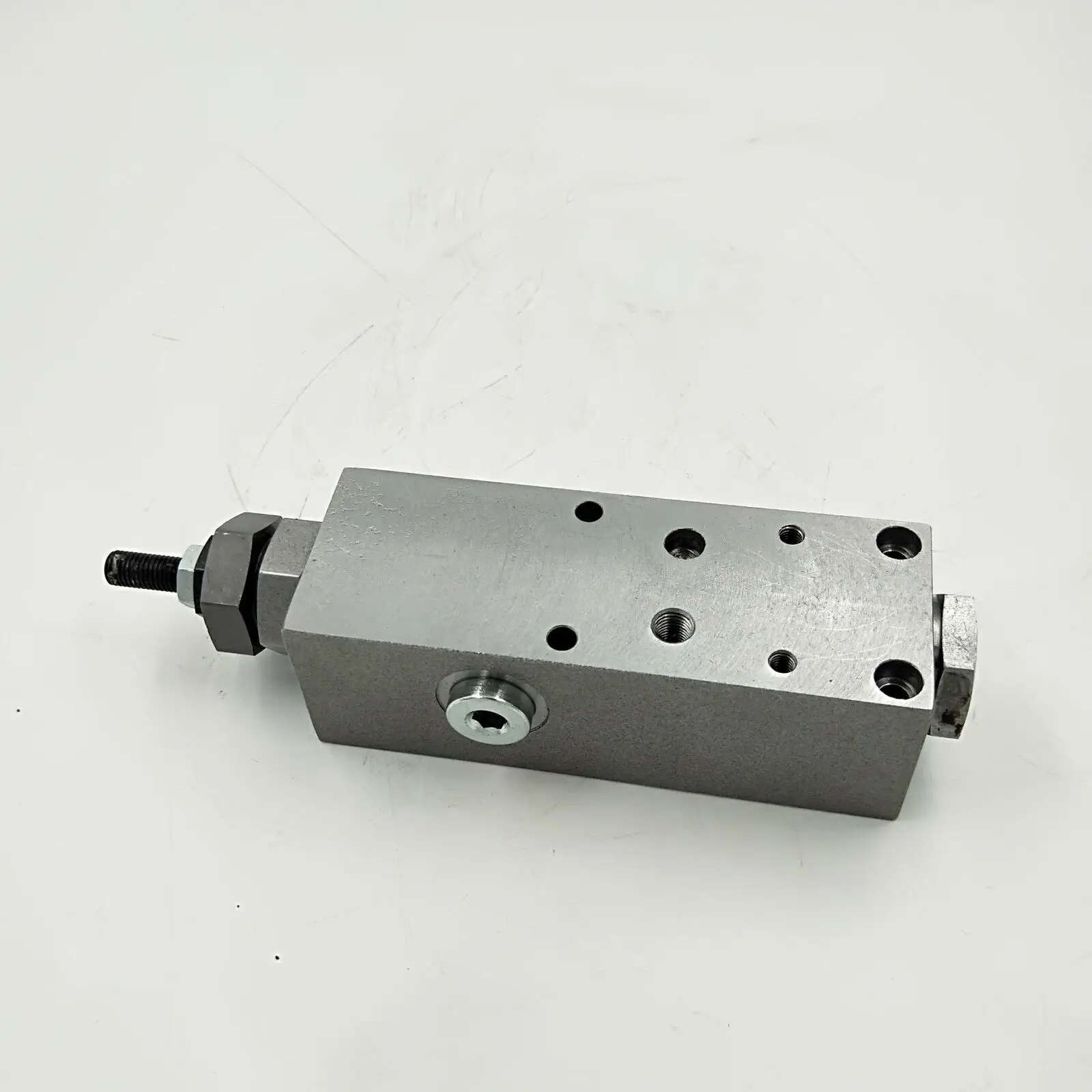
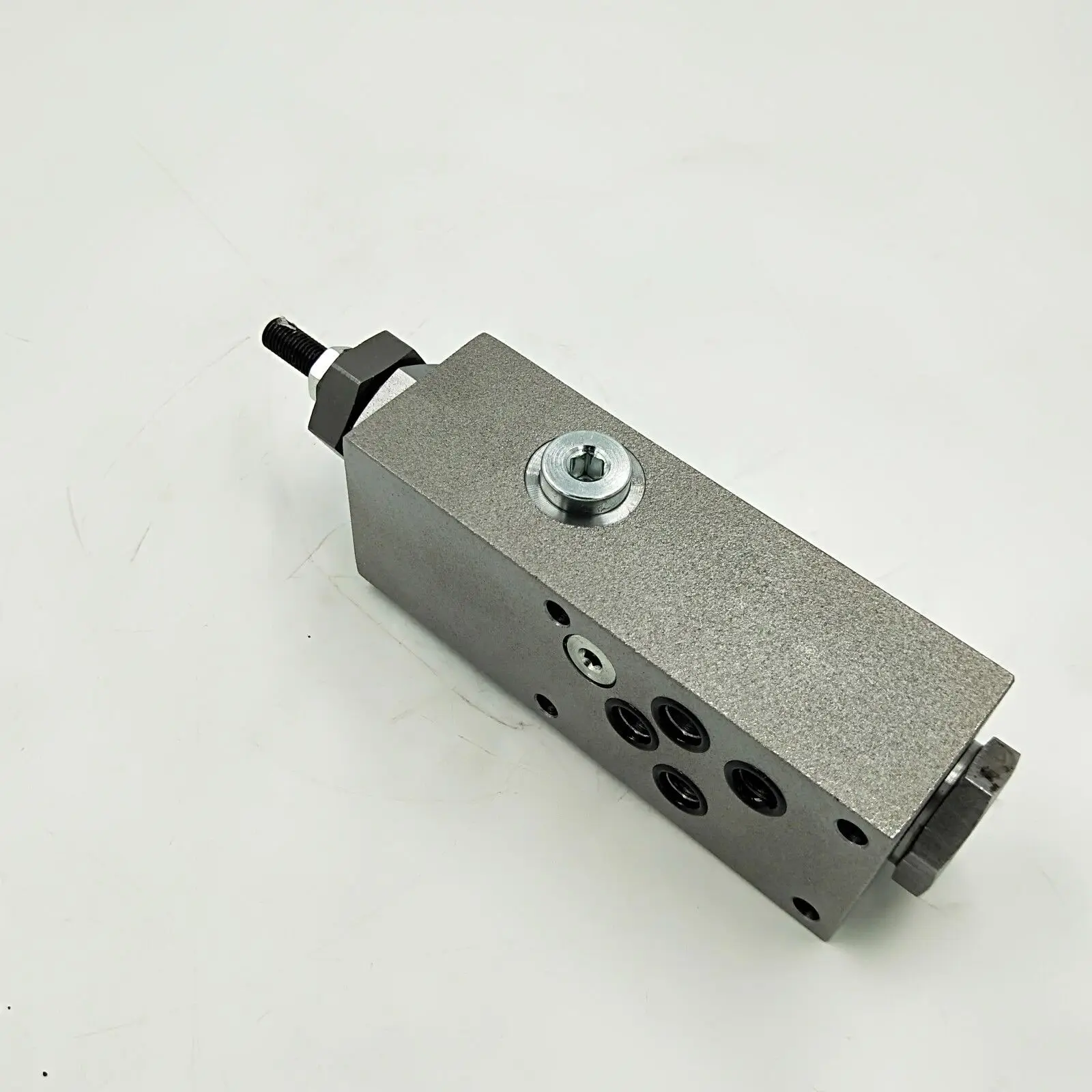
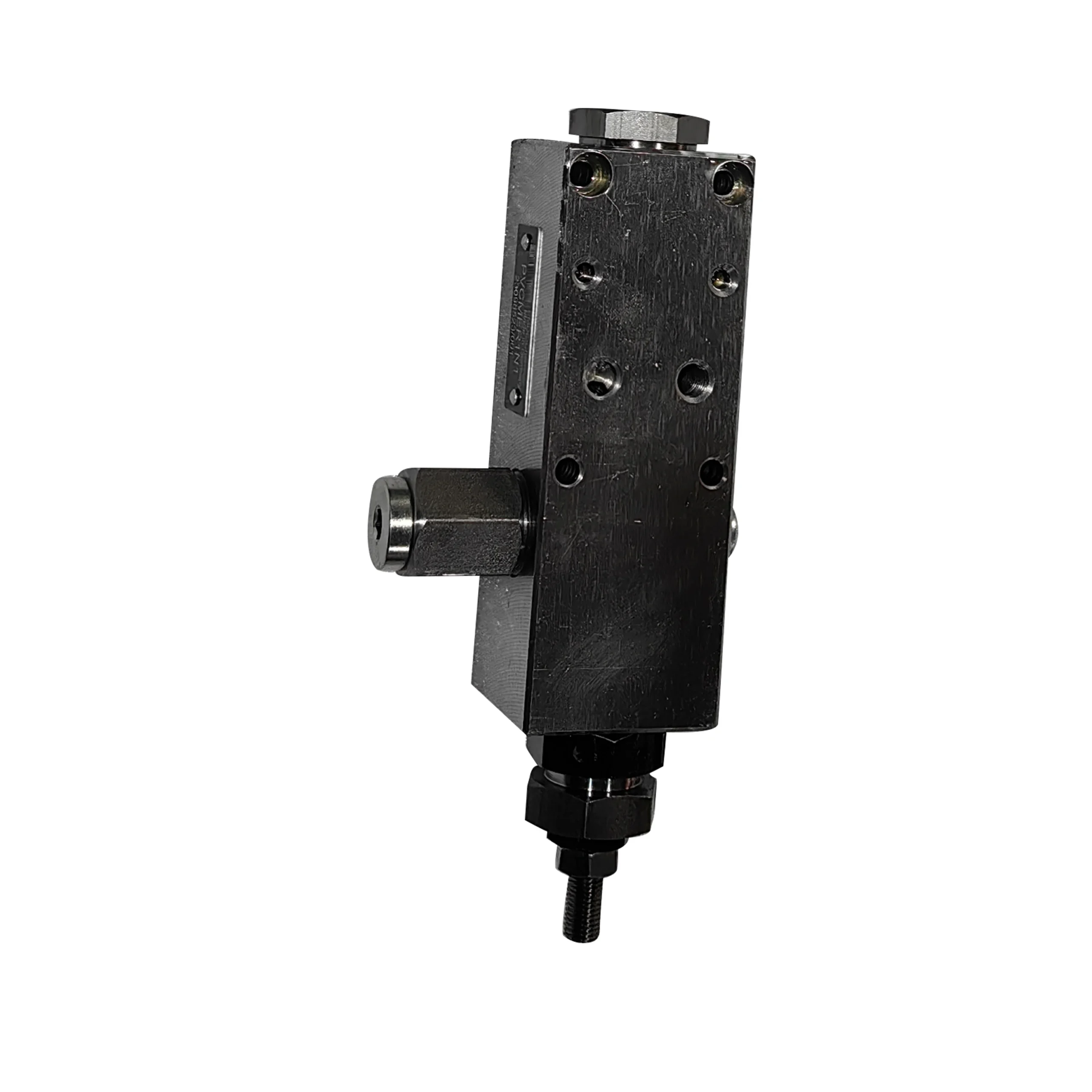
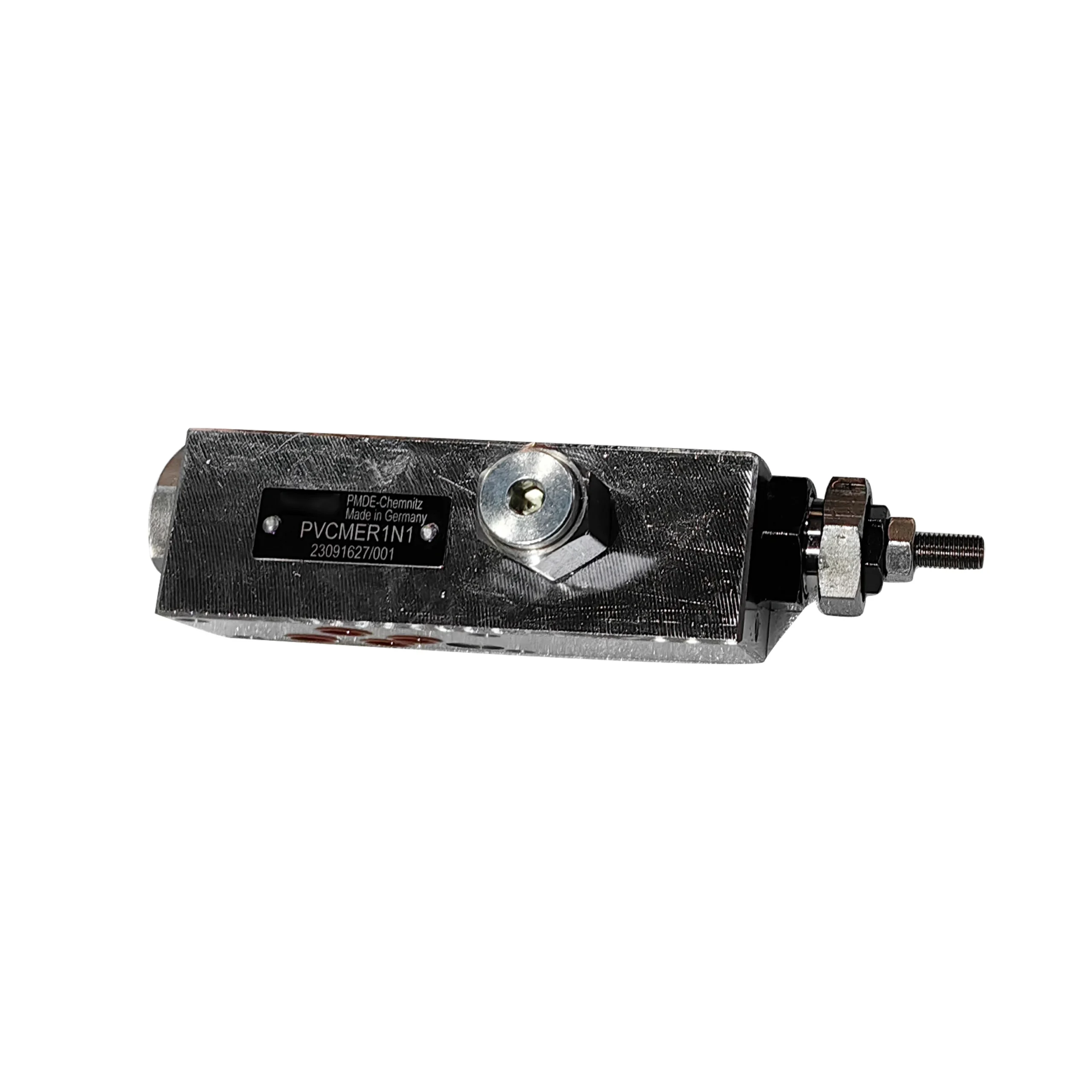
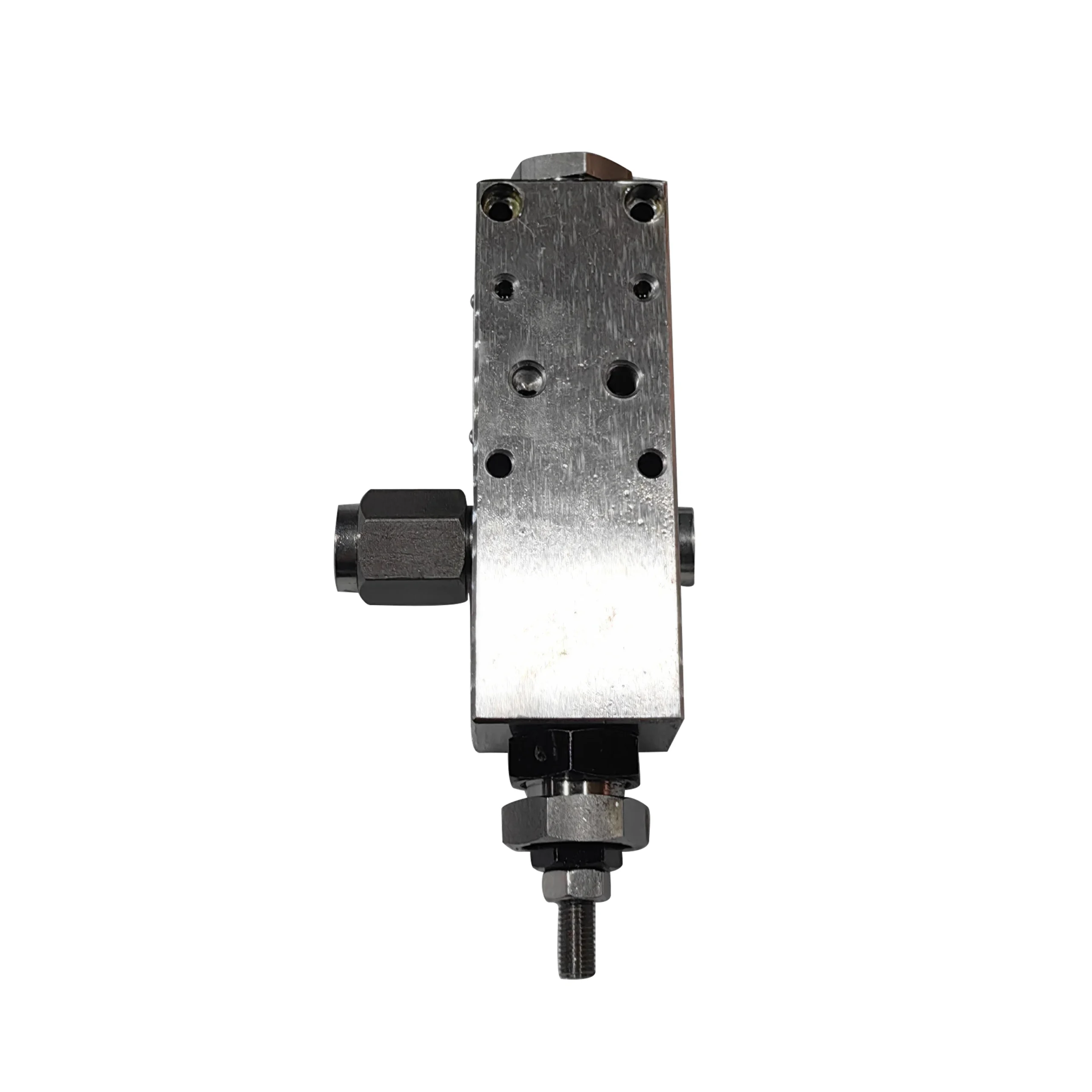
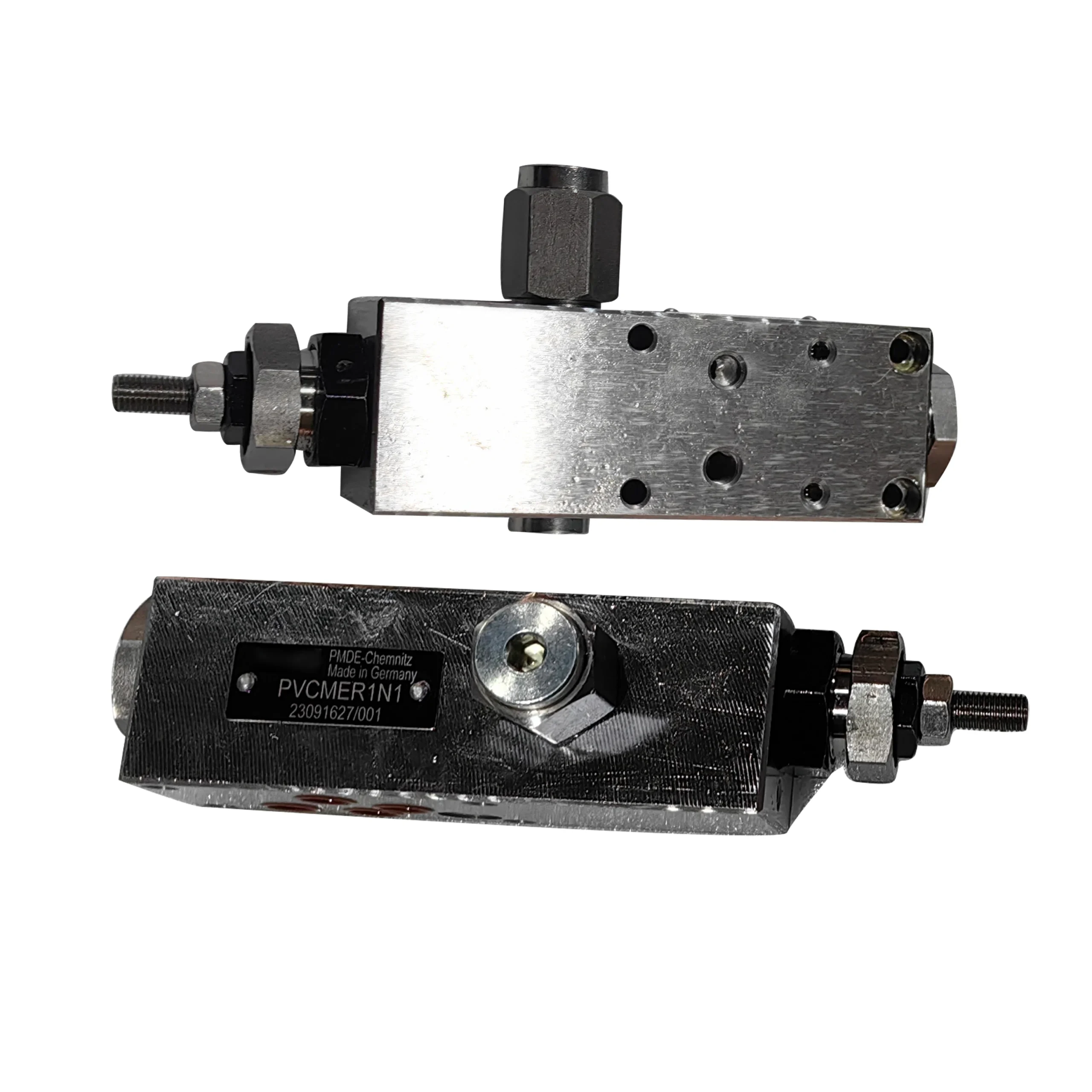
The Parker PVCMEFCN3X5932 is a Parker PVCM-family load-sensing regulator / pump-control component used in variable-displacement hydraulic pump control systems.
Available Parker parts data identifies the PVCMEFCN3 configuration as a Load Sensing Regler FC, distinguishing it from a conventional directional valve.
Parker’s official PVplus documentation identifies the broader platform as a high-pressure open-circuit variable-displacement axial piston pump family covering 16–360 cc/rev, with up to 420 bar maximum pressure and 350 bar continuous pressure, and multiple control options including load-sensing control.
Those pump specifications apply to the complete PVplus pump, not directly to the PVCMEFCN3X5932 control component.
The functional control chain can be represented as:
Load Pressure → Load-Sensing Signal → Regulator → Pump Control Pressure → Swashplate → Pump Displacement
This allows the variable-displacement pump to respond to actual system demand rather than continuously generating maximum displacement.
Technical Specifications
PVCMEFCN3X5932
- Manufacturer: Parker Hannifin
- Product Family: PVCM
- Product Type: Load Sensing Regulator / Pump Control Component
- Exact Model: PVCMEFCN3X5932
- Control Design: FC
- Function: Load-sensing regulation
- Application: Parker PV/PVplus variable-displacement axial piston pump controls
- Pump Displacement: Not applicable as a standalone control-component specification
- Pump Rated Pressure: Not applicable as a standalone control-component specification
- Pump Peak Pressure: Not applicable as a standalone control-component specification
- Maximum Pump Speed: Not applicable as a standalone control-component specification
- Pump Platform Context: Parker PVplus pumps range from 16–360 cc/rev and up to 420 bar maximum pressure, depending on complete configuration.
- Control Method: Hydraulic load-sensing control
- Weight: Exact OEM net weight not confirmed in accessible Parker documentation
- Material Grade: Exact OEM material specification not publicly confirmed
- Installation: Dependent on the complete PV/PVplus pump and control configuration
Related Parker PVCM Models
PVCMER1N1
Public Parker parts data identifies PVCMER1N1 as a Compensator.
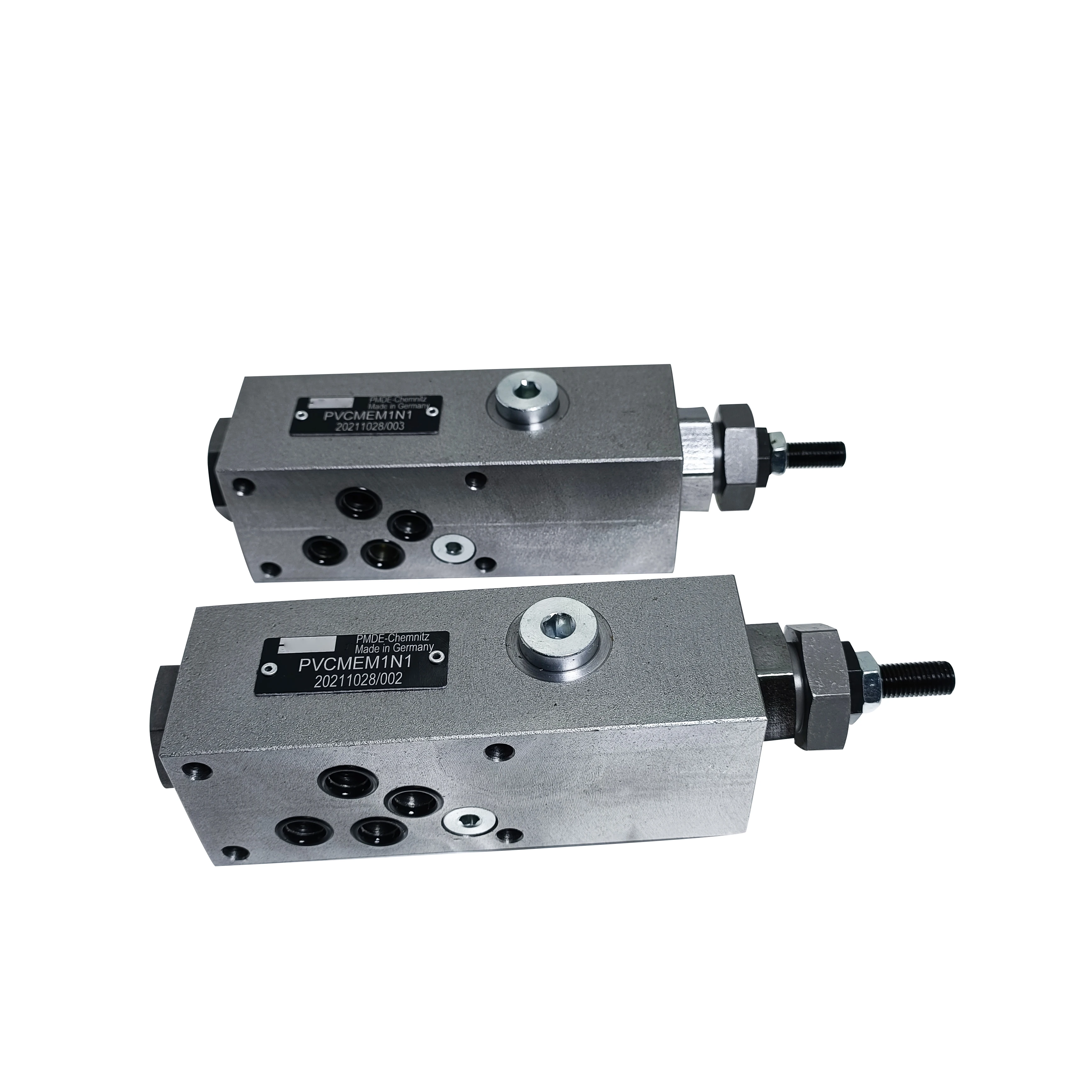
PVCMEM1N1
Public Parker parts data identifies PVCMEM1N1 as a Remote Compensator.
PVCMEL1N1
A Parker parts listing identifies PVCMEL1N1 as L1 KS 45 within the Parker PVCM control family.
PVCMAPVN1
Public Parker parts data identifies PVCMAPVN1 as a Compensator, Design 45; Radwell categorizes it as a Parker hydraulic pump controller/compensator.
PVCMEMZV1
The model is traceable within Parker PVCM-related listings, but its complete ZV1 configuration was not sufficiently confirmed from current Parker OEM documentation. Its detailed hydraulic specifications should therefore be verified against the original pump/control code before publication.
PVCMEM1N1X5895
The complete part number is found in public market listings, but sufficiently detailed OEM specifications were not found in current Parker first-party documentation. It should therefore be treated as a related model rather than parameter-equivalent to PVCMEFCN3X5932.
How Load-Sensing Control Works
The fundamental LS relationship is:
Pump Pressure = Load Pressure + Required Differential Pressure
The control system senses machine demand and modifies pump displacement accordingly.
Low Demand
Load Demand ↓
→ Pump Displacement ↓
→ Flow Generation ↓
→ Unnecessary Power Loss ↓
High Demand
Load Demand ↑
→ LS Signal Changes
→ Control Component Responds
→ Pump Displacement Increases
→ Flow Output Increases
Parker identifies load-sensing control as one of the available control technologies within the PVplus platform.
Key Technical Advantages
1. Load-Sensing Pump Control
PVCMEFCN3X5932 participates in the hydraulic load-sensing loop that adjusts variable-pump displacement according to system demand.
The control sequence is:
System Load → LS Signal → Regulator → Pump Control → Swashplate
This improves alignment between pump output and actual actuator demand.
2. Reduced Unnecessary Flow Generation
When the hydraulic system does not require maximum flow, variable displacement allows the pump to reduce output.
This can reduce:
- Unnecessary flow
- Throttling losses
- Standby heat generation
- Input power consumption
3. Integration With the PV/PVplus Pump Platform
Parker’s PVplus family currently covers:
16–360 cc/rev
and up to:
420 bar maximum pressure
with:
350 bar continuous pressure.
The PVCM control family therefore operates within a broad industrial variable-pump architecture.
4. Differential-Pressure-Based Control
Parker’s official PVplus literature documents specific differential-pressure adjustment principles for compensator and load-sensing configurations.
For a replacement control component, it is therefore important to validate:
LS Signal → Differential Pressure → Pump Response
rather than checking only mechanical dimensions.
5. Remote Compensation Options
The Parker PVCM family contains multiple remote-compensator configurations, including PVCMEM1N1 and other frame-specific versions.
Remote sensing allows system designers to separate the pressure-sensing point from the pump-control location when required by the hydraulic architecture.
6. Compact Pump-Control Integration
Integrated compensator/control components can reduce the need for additional external hydraulic piping and separate control blocks.
This can simplify:
- Hydraulic packaging
- Maintenance
- Leakage control
- System integration
7. Design-Series Compatibility
Multiple PVCM products are identified as Compensator Design 45 in public Parker parts data.
Correct replacement therefore requires matching:
Pump Frame + Control Design + Compensator Function + Full Part Number
Engineering Materials and Manufacturing
Parker’s publicly accessible OEM documentation does not provide complete material certificates for PVCMEFCN3X5932.
Therefore, specific alloy grades, heat-treatment depths or hardness values should not be presented as OEM specifications without supporting documentation.
For a replacement load-sensing regulator, the critical manufacturing factors include:
Precision Spool
Spool-to-bore clearance affects:
- Internal leakage
- Friction
- Response sensitivity
- Pressure stability
Spring Calibration
Spring preload and spring characteristics influence control margin and repeatability.
Orifice Accuracy
Small control orifices determine damping and dynamic response.
Surface Finish
Internal surface quality influences friction, wear and contamination sensitivity.
Seal Integrity
Correct sealing is essential for maintaining hydraulic separation and stable pressure signals.
Application Areas
Parker positions the PVplus pump platform for demanding industrial and marine applications, including:
- Process and material-forming machinery
- Test rigs and hydraulic power units
- Steel mills
- Oil and gas equipment
- Marine lifting systems
- Hoists
- Winches
- Cranes
- Mining drilling equipment
- Construction equipment
- Heavy material-handling systems
PVCMEFCN3X5932 is most relevant to systems where variable-pump output must respond to changing load demand.
Expert Maintenance Tips
Verify the Complete Pump and Control Code
Before replacement, confirm:
Full Part Number + Pump Model + Frame Size + Control Code
Do not identify the component only as “PVCM”.
Verify LS Differential Pressure
Because Parker compensator systems rely on defined differential-pressure characteristics, replacement components should be checked for:
LS Pressure → Differential Pressure → Pump Displacement Response.
Inspect the LS Sensing Line
Check for:
- Blockage
- Leakage
- Incorrect connection
- Excessive restriction
- Air ingress
- Contamination
Investigate Pump Hunting
If the system exhibits continuous pressure oscillation or swashplate hunting, inspect:
- Compensator spool
- Spring preload
- LS line
- Orifices
- Damping
- Servo mechanism
Check Standby Pressure
A healthy LS system should reduce pump displacement when flow demand is low.
Abnormally high standby pressure may indicate an issue with:
- Differential-pressure setting
- Compensator
- Remote sensing circuit
- Control spool
- Pump servo system
Maintain Hydraulic Cleanliness
The following should be included in preventive maintenance:
- Hydraulic filtration
- LS sensing line
- Control orifices
- Compensator
- Servo circuit
- Sealing interfaces