

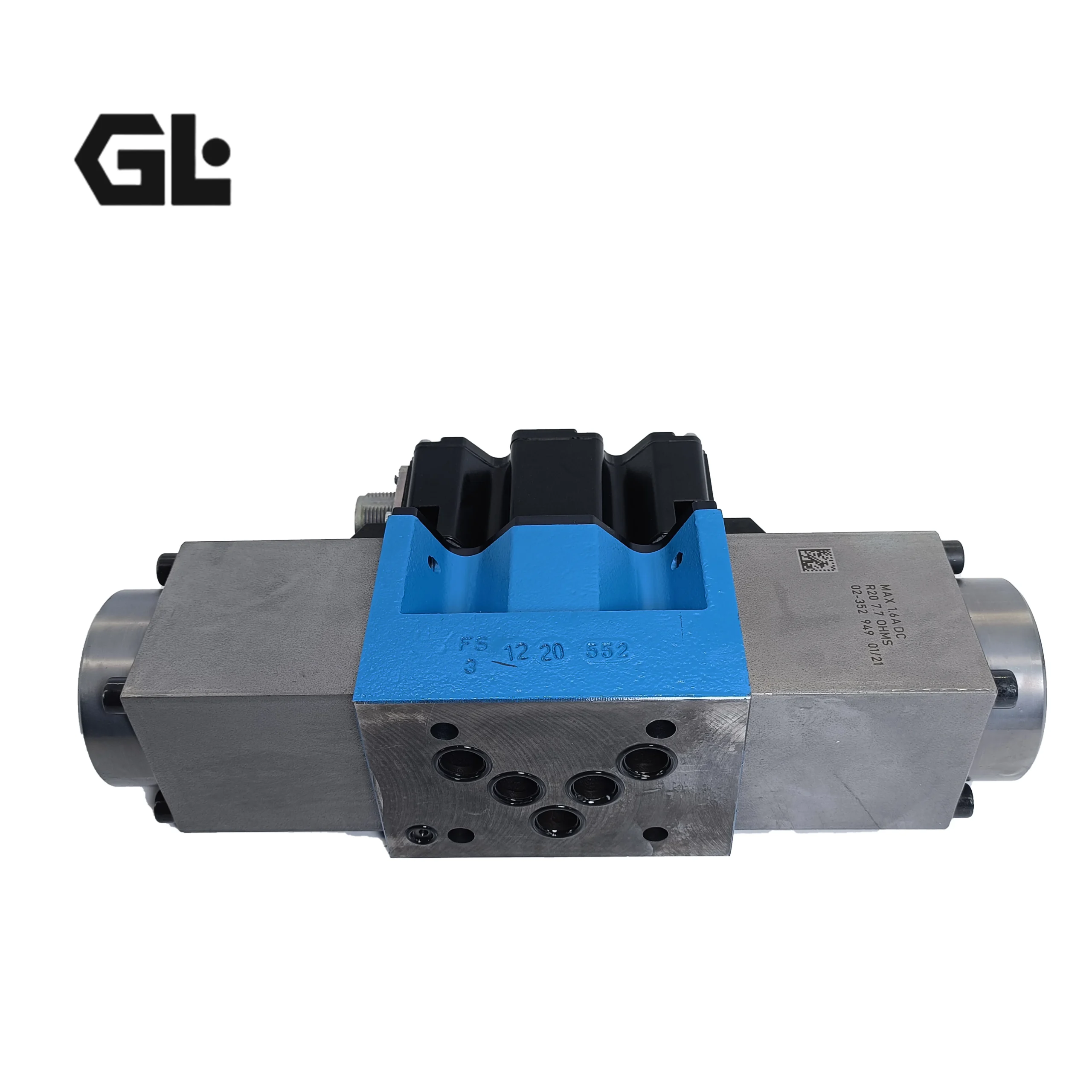
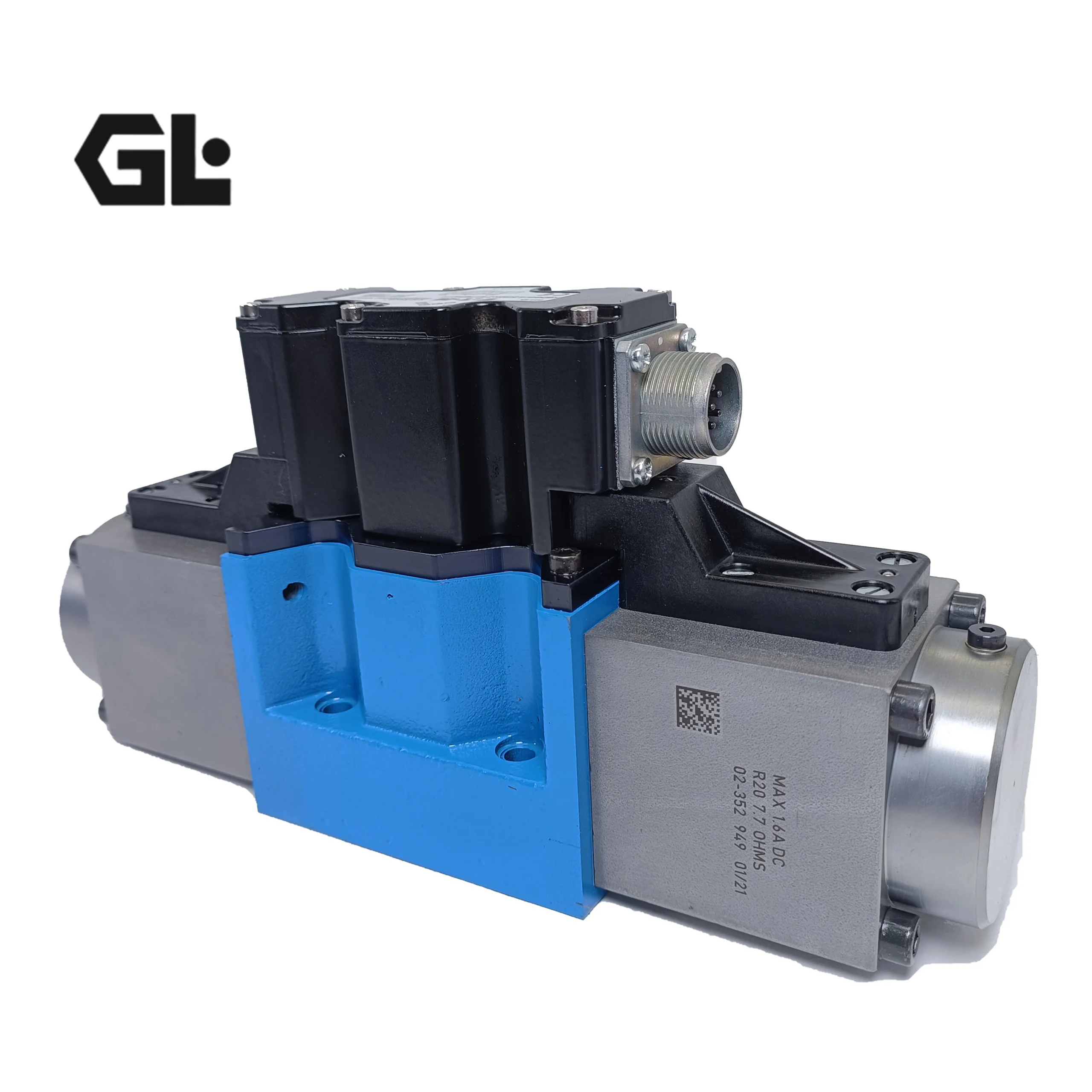
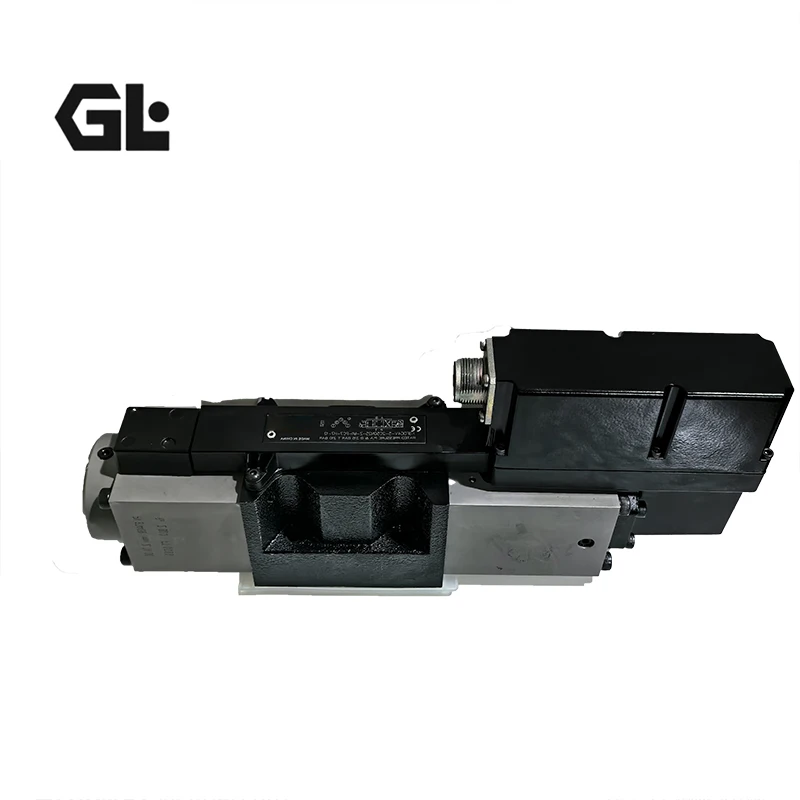
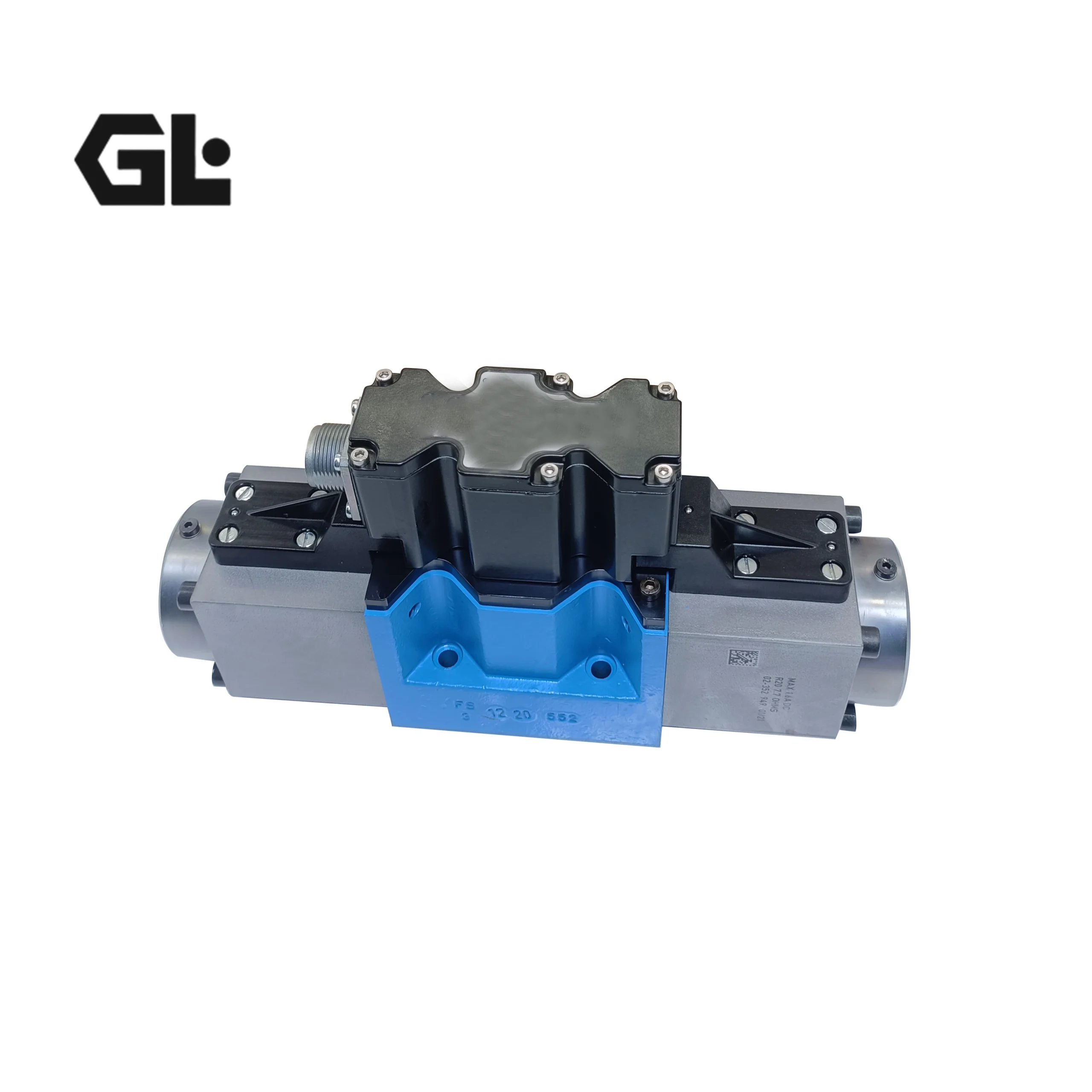
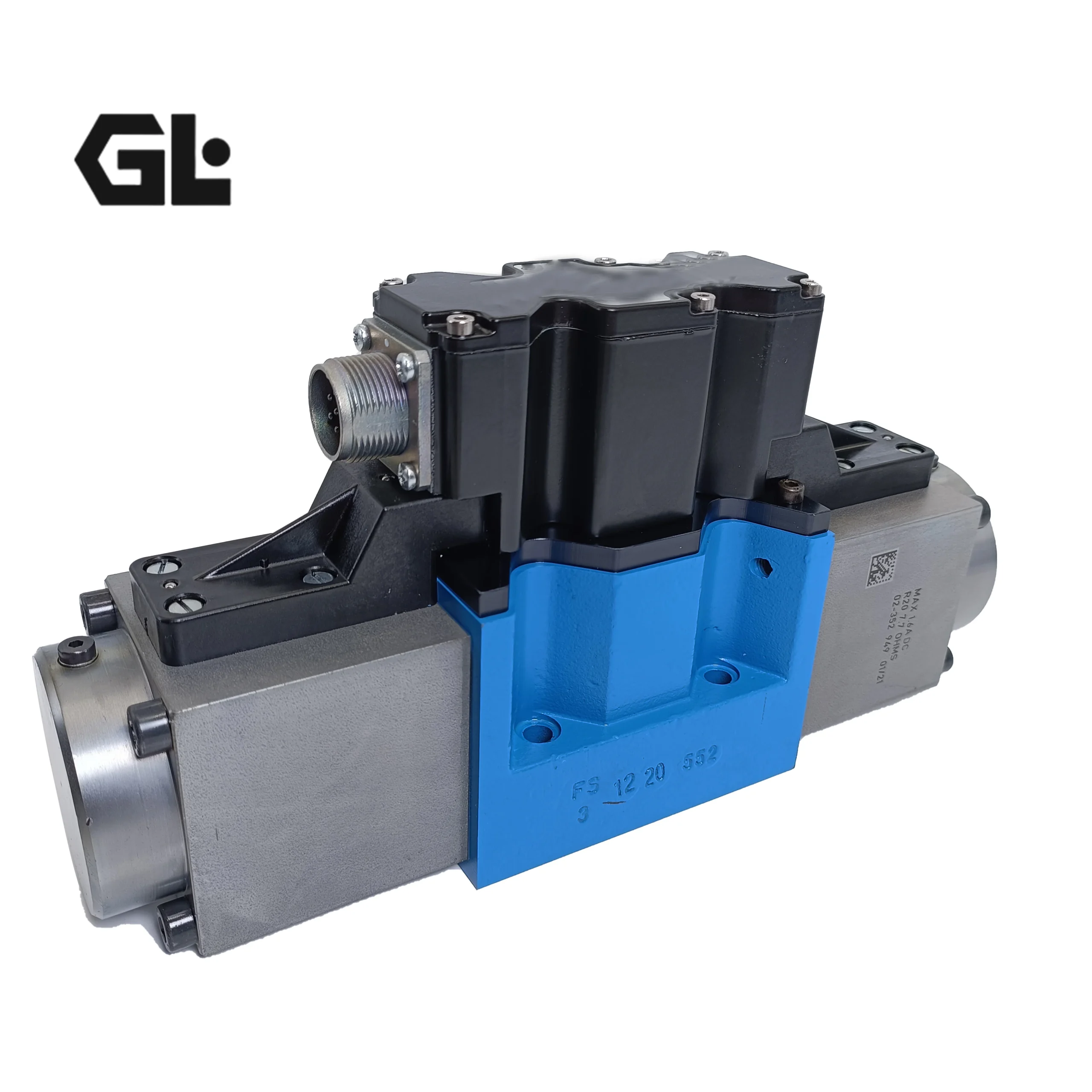

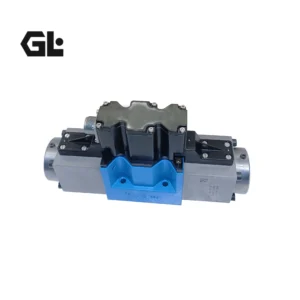
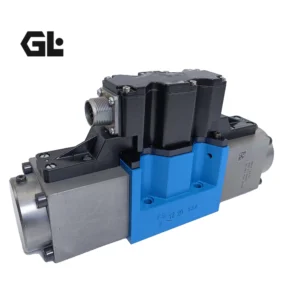
KBFDG4V-5 Eaton Vickers Proportional Directional Valve 50 L/min
| Model Number | KDG4V52C50NZMUH730 |
|---|
SKU
N/A
Categories Directional Valve, Hydraulic Valve
Tags 12v hydraulic valve, air valve, cross hydraulic valve, danfoss hydraulic valves, gas valve, hydraulic control valve, hydraulic directional control valves, hydraulic dump valve, hydraulic flow control valve, hydraulic solenoid valve, ksb valve, lpg valve, mac valve, rexroth hydraulic valve, valve
Product Description
Product Overview
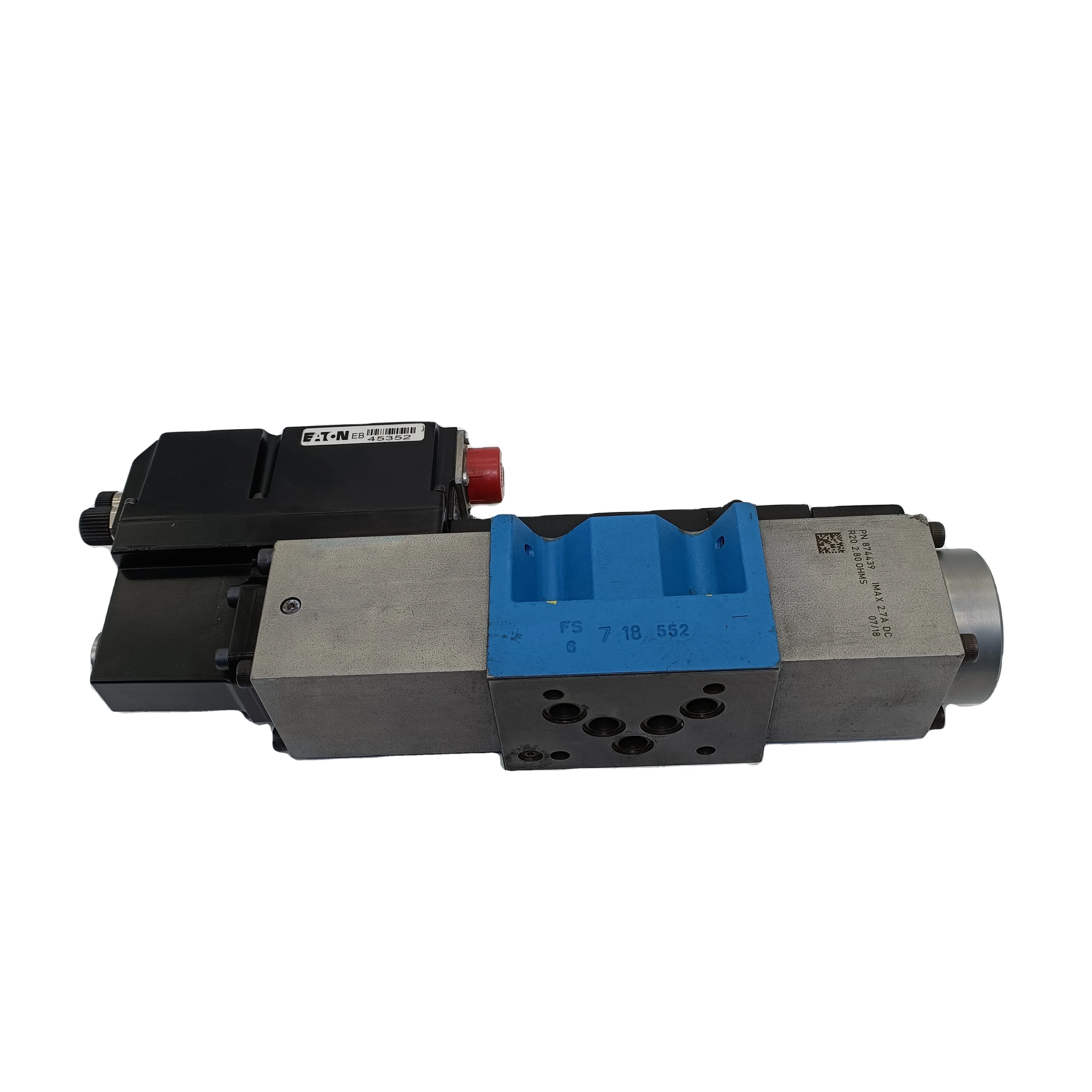
The KBFDG4V-5 series proportional directional valve with integrated electronics (models KBFDG4V-5-2C50N25-Z-M1-PC7-H7-12 and KBFDG4V-5-2C50N25-Z-PC7-H7-10) is manufactured to original Eaton Vickers technical standards. Belonging to the KBFDG4V-5 series with size 10 (NG10 / D05 / CETOP 05), this valve features a direct-acting subplate mounting design conforming to ISO 4401-05. Equipped with electrical spool position feedback and an integrated on-board amplifier (OBE), the valve is actuated by proportional solenoids to provide continuous, precise proportional control of both direction and velocity of hydraulic actuators.
KBFDG4V proportional valves are designed to provide controlled oil flow in direct proportion to a command signal. They are available in two types: a double solenoid version that provides reversible flow to an actuator, and a single solenoid throttle version that provides a single direction of flow. This product is dimensionally and functionally identical to the original Eaton Vickers KBFDG4V-5 series valve, offering true drop-in interchangeability for direct replacement of same-specification OEM valves. Every unit undergoes 100% bench testing under simulated working conditions, including rated pressure holding, spool position accuracy, flow linearity, and dynamic response characterization.
Technical Specifications
General Specifications
Model: KBFDG4V-5-2C50N25-Z-M1-PC7-H7-12 / KBFDG4V-5-2C50N25-Z-PC7-H7-10
Product Series: KBFDG4V-5 (Size 10 / NG10 / D05 / CETOP 05)
Spool Type: 2C50N25 (All ports closed in neutral)
Design: Direct-acting, subplate mounting proportional directional valve with electrical position feedback and integrated on-board electronics
Mounting Pattern: ISO 4401-05 (CETOP 05)
Installation Position: Any
Hydraulic Parameters
Rated Flow: 50 L/min (13.2 US gpm), Port B rated flow 25 L/min (6.6 USgpm)
Maximum Operating Pressure: 315 bar (4570 psi)
Pressure Rating: 350 bar (5075 psi)
Maximum Tank Port Pressure (Port T): 210 bar (3045 psi)
Hydraulic Fluid: Mineral-based hydraulic oil
Fluid Temperature Range: -20°C to +80°C
Filtration: ISO 4406 17/15/12
Characteristic Curve: Linear
Electrical Parameters
Supply Voltage: 24 VDC (wide tolerance band)
Command Signal: ±10 V voltage input / 4-20 mA current input
Solenoid Type: Proportional solenoid, double solenoid configuration
Integrated Electronics: OBE (On-Board Electronics), integrated on-board amplifier
Electrical Connector: PC7 (standard 7-pin connector)
Protection Class: IP65 / IP67
EMC Compliance: CE EMC Directive 2014/30/EU
Materials & Construction
Valve Body: High-strength cast iron
Control Spool: Carburized steel, precision ground
Seals: NBR (standard)
Surface Treatment: Phosphating / anti-corrosion coating
Weight
Weight: approx. 7.6 kg
Key Technical Advantages
1. Integrated On-Board Amplifier for Simplified System Architecture
The KBFDG4V-5-2C50N25 integrates the proportional amplifier directly into the valve body (On-Board Electronics), eliminating the need for an external amplifier. Users can directly drive the spool via a ±10 V voltage signal or 4-20 mA current signal. The amplifier is housed in a robust metal enclosure, sealed against ingress of water and other fluids. Factory-set adjustments of gain, spool deadband compensation, and offset ensure consistent repeatability valve-to-valve. Only two electrical inputs are required: 24 V power supply and the command signal, significantly simplifying installation wiring.
2. Electrical Spool Position Feedback for High-Accuracy Control
The valve employs an electrical position feedback closed-loop control system with a spool position monitor pin that allows the valve function to be electrically monitored for troubleshooting. Combined with precision-machined metering notches on the spool, progressive linear flow characteristics are achieved. Spool position accuracy is maintained at high precision, enabling accurate actuator speed and direction control for high-accuracy synchronization applications.
3. Robust Construction for Demanding Environments
The valve features a robust metal enclosure that has been vibration and shock tested for harsh industrial environments. The product offers IP65 and IP67 environmental protection ratings, with full electromagnetic compatibility (EN 50081-2 and 50082-2) when used with Vickers standard connectors. The standard 24 V DC supply features a very wide voltage tolerance band, accommodating industrial voltage fluctuations.
4. 100% Simulated Working Condition Testing and Drop-in Interchangeability
Every KBFDG4V-5-2C50N25 valve undergoes 100% bench testing prior to shipment, covering rated pressure holding, spool position accuracy calibration, flow-signal linearity verification, internal leakage measurement, and solenoid response characterization. Mounting dimensions, port positions, electrical interfaces, and performance curves are strictly matched to the original Eaton Vickers valve, enabling direct drop-in replacement without modifying piping or control programs.
Application Areas
Wind Power Generation: Pitch control systems (Vestas V80/V90 2MW wind turbine pitch modules)
Primary Metals Production: Continuous casting machines, rolling mill auxiliary hydraulic control
Die Casting & Foundry Equipment: Shot speed and intensification pressure precise regulation
Civil Engineering: Proportional directional control for construction machinery hydraulic systems
Marine & Offshore: Offshore platform hydraulic control systems
Petrochemical: Process control valve actuators
Power Generation: Steam and hydro turbine governor hydraulic control
Wood Processing: Hydraulic press direction and speed control
Expert Maintenance Tips
Installation Guidelines
The KBFDG4V-5 series can be mounted in any position. Mounting surface flatness must be ≤ 0.05 mm. Use grade 12.9 M5 bolts and tighten diagonally in stages to the recommended torque value.
Thoroughly flush all piping circuits before installation. Ensure no welding slag, metal chips, or particulate contaminants remain. Prior to first operation, circulate the system through a 10 μm filter element for a minimum of 30 minutes.
Bleed air from proportional solenoids at initial start-up: This may be done by removing the bleed screws until no bubbles appear and then reinstalling them, or by removing both bleed screws and using a standard oil can nozzle to pump fluid in one side until it flows out.
Electrical connections must use a standard 7-pin connector to maintain IP65/IP67 protection. Control signal cables should be shielded, with the shield grounded at one end to prevent electromagnetic interference causing spool oscillation.
Routine Maintenance Procedures
Fluid Cleanliness Management: Maintain system fluid cleanliness at ISO 4406 17/15/12 or better. Check fluid particulate contamination every 500 operating hours and replace filter elements and hydraulic fluid when contamination exceeds limits.
Spool Flexibility Inspection: Periodically check spool movement for smooth operation and absence of binding. The clearance between spool and sleeve is extremely small (less than 0.008 mm); mechanical contaminants can easily cause binding, so fluid cleanliness must be maintained.
Coil Resistance Verification: Measure solenoid coil resistance every 1,000 operating hours. Deviation from factory value should not exceed ± 10%.
Filter Differential Pressure Check: Every 3 months, check filter differential pressure and replace filter elements to maintain system fluid cleanliness.
Spare Valve Storage: Store spare valves in a clean, dry environment to prevent corrosion and contamination. Replace inline filters according to maintenance schedules to maintain proper flow rates.
Related models:
KBFDG4V-3-2C13N-Z-M1-PE7-H7-12
KBFDG4V-3-33C07N-Z-M1-PE7-H7-12
NG6 Series (diameter approximately 10mm) :
KBFDG4V-5-2C50N25-Z-M1-PC7-H7-12 (This model)
KBFDG4V-5-2C50N-Z-M1-PE7-H7-11
KBFDG4V-5-33C50N-Z-M1-PC7-H7-11
KBFDG4V-5-2C70N-Z-M1-PE7-H7-10
KBFDG4V-5-33C30N-Z-M2-PE7-H7-10
NG10 Series (diameter approximately 16mm) :
KBFDG4V-7-2C100N-Z-M1-PE7-H7-12
2. Classification by valve core type
2C type (Closed median)
KBFDG4V-5-2C50N25-Z-M1-PC7-H7-12
KBFDG4V-5-2C70N-Z-M2-PE7-H7-12
Type 33C (P port closed, A/B fuel tanks connected) :
KBFDG4V-5-33C50N25-Z-M1-PC7-H7-11
KBFDG4V-3-33C20N10-Z-V-PE7-H7-10
3. Classification by control type
With position feedback
KBFDG4V-5-2C50N25-Z-M1-PC7-H7-12 (PC7 = with LVDT feedback)
Without position feedback
KBFDG4V-5-2C50N-Z-M1-PE7-H7-11 (PE7 = Basic Type)
4. Special models
KBFDG5V-7-2C150N85-X-M1-PE7-H1-10 (High Flow Type)
KBFDG4V-3-2C28S-Z-M1-PC7-H6-11 (Special Sealing Type)
KBFDG4V-3-33C07N-Z-M1-PE7-H7-12
NG6 Series (diameter approximately 10mm) :
KBFDG4V-5-2C50N25-Z-M1-PC7-H7-12 (This model)
KBFDG4V-5-2C50N-Z-M1-PE7-H7-11
KBFDG4V-5-33C50N-Z-M1-PC7-H7-11
KBFDG4V-5-2C70N-Z-M1-PE7-H7-10
KBFDG4V-5-33C30N-Z-M2-PE7-H7-10
NG10 Series (diameter approximately 16mm) :
KBFDG4V-7-2C100N-Z-M1-PE7-H7-12
2. Classification by valve core type
2C type (Closed median)
KBFDG4V-5-2C50N25-Z-M1-PC7-H7-12
KBFDG4V-5-2C70N-Z-M2-PE7-H7-12
Type 33C (P port closed, A/B fuel tanks connected) :
KBFDG4V-5-33C50N25-Z-M1-PC7-H7-11
KBFDG4V-3-33C20N10-Z-V-PE7-H7-10
3. Classification by control type
With position feedback
KBFDG4V-5-2C50N25-Z-M1-PC7-H7-12 (PC7 = with LVDT feedback)
Without position feedback
KBFDG4V-5-2C50N-Z-M1-PE7-H7-11 (PE7 = Basic Type)
4. Special models
KBFDG5V-7-2C150N85-X-M1-PE7-H1-10 (High Flow Type)
KBFDG4V-3-2C28S-Z-M1-PC7-H6-11 (Special Sealing Type)
Company Profile

Frequently Asked Questions
1.What ls our Main Products?
1.Hydraulic pump
2.Hydraulic valve
3.Hydraulic motor
4.Hydraulic cylinder
5.Hydraulic parts
2. What about the MOQ?
3.What are your advantages?
- Adhere to quality first.
- Support customization, ODM & OEM service.
- 1-year warranty and complete after-sales support.
- Safe and fast shipping worldwide.
- 24-hour online service for your inquiries.
4.Are you a manufacturer? What’s your delivery time?
Yes, we are a manufacturer with our own factory.
Common models are in stock, and orders are usually shipped within 1–3 days.
5.Which payment methods are accepted?
We accept T/T, L/C, PayPal, VISA, Western Union, Apple Pay, Google Pay, Afterpay (Clearpay), Klarna, and Trade Assurance.
For full orders: 30% deposit, balance before shipment.
For small/sample orders: full payment in advance.
6.How will you deliver my goods?
We offer flexible shipping options: DHL, UPS, FedEx, TNT, EMS, as well as air or sea freight.
All deliveries ensure door-to-door fast and safe service.
7.How do you inspect and guarantee your products?
All products are tested before shipment to ensure perfect working condition.
We offer a 12-month warranty — if a product fails due to quality issues, we provide free spare parts or repair support.
8.What about after-sales service?
If you encounter any problem during use, please contact your sales manager or our support team at any time.
We will respond quickly and help solve the issue efficiently.
9.What are your main applications?
- Hydraulic systems
- Agricultural machinery
- Construction machinery
- Automobile industry
- Local distributors and maintenance centers
10.Can I get a discount for bulk orders?
Yes. We offer competitive wholesale prices and try our best to give benefits to long-term partners.
Shoot Us An Email
Professional Manufacturer