


P16V-RSG-11 P16V-RS-11 Tokimec Tokyo Keiki Piston Pump 21MPa
| Model Number | P16VMR-10-EP-D-20-S208-J |
|---|
SKU
N/A
Categories Hydraulic Pump, Piston Pump
Tags air pump, axial piston pump, cnp pump, gas pump, hydraulic piston pump, jet pump, ksb pump, lpg pump, mud pump, oil pump, pcp pump, pneumatic piston pump, radial piston pump, yuken piston pump
Product Description
Product Overview
The P16V-RSG-11-CC-10-J, P16V-RSG-11-CMC-10-S121-J, and P16V-RS-11-CC-10-J are core models within the Tokyo Keiki (formerly TOKIMEC) P16V series of swashplate-type variable displacement axial piston pumps. The P16V series belongs to the PV low-noise piston pump product line, with a displacement of 16 cm³/rev, a rated working pressure of 21 MPa, and a maximum speed of 1800 rpm, widely used in injection molding machines, die-casting machines, machine tools, and general industrial hydraulic power units.
About Tokyo Keiki and TOKIMEC: TOKIMEC was a renowned Japanese hydraulic brand that merged into Tokyo Keiki, now operating under the “Tokyo Keiki” brand. The P series piston pumps are Tokyo Keiki’s flagship product platform in industrial hydraulics, covering seven displacement sizes from P8V to P130V, renowned for low noise, high efficiency, and high reliability. The series offers multiple control options including electronic control, pressure compensation, and load sensing, with fast response and high control stability, easily enabling double pump configurations for complex system requirements.
P Series Core Performance Specifications: The P16V has a rated pressure of 21 MPa, intermittent peak pressure of 25 MPa, minimum speed of 600 rpm, maximum speed of 1800 rpm, and weighs approximately 16 kg. Volumetric efficiency is approximately 95%, with overall efficiency of approximately 90%. The series employs a swashplate-type variable axial piston pump structure, supporting flange mounting (standard) and foot bracket mounting (F suffix), with right-hand (R, clockwise viewed from shaft end) or left-hand (L, counterclockwise) rotation options. Control options include pressure compensation, multi-stage pressure compensation, load sensing, proportional electrohydraulic, and solenoid control, with fluid compatibility for standard mineral hydraulic oil; the F11 prefix adapts to water-glycol fire-resistant fluids.
Model Code Breakdown (for procurement and engineering reference):
Using P16V-RSG-11-CC-10-J as example:
P16V: P series swashplate-type variable piston pump, displacement 16 cm³/rev
R: Rotation direction, right-hand (clockwise viewed from shaft end)
S: Displacement type, one side of center
G: Port connection, SAE 4-bolt flange connection, axial port side
11: Design series number
CC: Control type, pressure compensator control (C: pressure compensator 1.5–21 MPa), second C indicating maximum displacement adjustment
10: Control valve design number
J: Standard specification
Using P16V-RSG-11-CMC-10-S121-J as example:
P16V-RSG-11: Same as above
CMC: Pressure compensator control with maximum displacement adjustment
10: Control valve design number
S121: Port position code
J: Standard specification
Using P16V-RS-11-CC-10-J as example:
P16V-RS: P16V series, flange mounting (standard), right-hand rotation
11: Design series number
CC: Pressure compensator control with maximum displacement adjustment
10: Control valve design number
J: Standard specification
Drop-in Replacement Advantage: Manufactured to exact Tokyo Keiki OEM specifications, these pumps achieve complete drop-in interchangeability with the original P16V series for SAE 4-bolt mounting flange, shaft dimensions, SAE standard port layout, and pressure compensator control module interface. Every pump undergoes 100% simulated load testing prior to shipment, validating 21 MPa pressure loading, pressure compensator response, and volumetric efficiency under conditions replicating real-world duty cycles.
Technical Specifications
P16V Series General Specifications:
Series: Tokyo Keiki P16V Series (Swashplate-Type Variable Axial Piston Pump)
Theoretical Displacement: 16 cm³/rev
Rated Working Pressure: 21 MPa (210 bar)
Intermittent Peak Pressure: 25 MPa (250 bar)
Minimum Speed: 600 rpm
Maximum Speed: 1800 rpm
Theoretical Flow (1800 rpm): Approx. 28.8 L/min
Theoretical Flow (1500 rpm): 24 L/min
Volumetric Efficiency: Approx. 95%
Overall Efficiency: Approx. 90%
Control Type: Pressure Compensator Control (C/CC/CMC), pressure adjustment range 1.5–21 MPa
Rotation: Right-hand (R, clockwise viewed from shaft end) or left-hand (L)
Mounting: Flange mounting (standard), optional foot bracket (F suffix)
Shaft: Per model configuration
Port Connection: SAE 4-bolt flange (G code), SAE O-ring seal
Housing Material: High-strength cast iron (HT250 gray cast iron)
Gear Material: High-quality powder metallurgy; pump shaft 40Cr alloy steel hardened
Bearings: SF-1 oil-free lubricated bearings or needle roller bearings
Seal Material: Double-lip NBR (nitrile rubber)
Working Fluid: Petroleum-based hydraulic oil (F11 prefix adapts to water-glycol fire-resistant fluids)
Operating Temperature: 30–90°C
Recommended Viscosity: 20–50 cSt
Fluid Cleanliness: ISO 4406 18/15 or better
Weight: Approx. 16 kg
Model P16V-RSG-11-CC-10-J Configuration:
Model Code: P16V-RSG-11-CC-10-J
Control Type: CC — Pressure Compensator Control with Maximum Displacement Adjustment
Pressure Adjustment Range: 1.5–21 MPa
Rotation: Right-hand (clockwise, viewed from shaft end)
Mounting: Flange mounting
Port Connection: SAE 4-bolt flange, axial port side
Design Series: 11
Control Valve Design No.: 10
Model P16V-RSG-11-CMC-10-S121-J Configuration:
Model Code: P16V-RSG-11-CMC-10-S121-J
Control Type: CMC — Pressure Compensator Control with Maximum Displacement Adjustment
Pressure Adjustment Range: 1.5–21 MPa
Rotation: Right-hand (clockwise, viewed from shaft end)
Mounting: Flange mounting
Port Connection: SAE 4-bolt flange, axial port side
Port Position: S121 code configuration
Design Series: 11
Model P16V-RS-11-CC-10-J Configuration:
Model Code: P16V-RS-11-CC-10-J
Control Type: CC — Pressure Compensator Control with Maximum Displacement Adjustment
Pressure Adjustment Range: 1.5–21 MPa
Rotation: Right-hand (clockwise, viewed from shaft end)
Mounting: Flange mounting (standard)
Design Series: 11
P Series Displacement Size Reference:
P16V: 16 cm³/rev, rated pressure 21 MPa, max speed 1800 rpm, weight approx. 16 kg
P21V: 21 cm³/rev, rated pressure 21 MPa, max speed 1800 rpm, weight approx. 23 kg
P31V: 31 cm³/rev, rated pressure 21 MPa, max speed 1800 rpm, weight approx. 23 kg
P40V: 40 cm³/rev, rated pressure 21 MPa, max speed 1800 rpm, weight approx. 37 kg
P70V: 70 cm³/rev, rated pressure 21 MPa, max speed 1800 rpm, weight approx. 63 kg
P100V: 100 cm³/rev, rated pressure 21 MPa, max speed 1800 rpm, weight approx. 91 kg
P130V: 130 cm³/rev, rated pressure 21 MPa, max speed 1800 rpm, weight approx. 112 kg
P16VM Low-Noise Version Reference:
P16VM: 16 cm³/rev, max working pressure 14 MPa, max speed 1800 rpm, weight approx. 16 kg
Key Technical Advantages
1. Pressure Compensator Control with High Energy Efficiency
The P16V series’ core control method is pressure compensator control (C/CC/CMC). When system pressure reaches the setpoint, the compensator automatically reduces pump displacement, maintaining only leakage compensation flow to minimize system heat generation and power loss. The P16V series delivers significant energy savings of 30–70%. The pressure adjustment range is 1.5–21 MPa, precisely settable via the adjustment screw. The CMC control type adds maximum displacement adjustment on top of pressure compensation, allowing flexible setting of the pump’s maximum output flow based on system requirements.
2. Low Noise Operation with Pulsation Suppression Structure
The P16V series employs a high-rigidity housing and optimized fluid porting design, significantly reducing operational noise. Optimized valve plate and piston structure achieve low noise operation across the entire pressure range, reducing noise by 5–8 dB(A) compared to conventional pumps. This characteristic makes the P16V series particularly suitable for machine tool and injection molding applications with strict noise control requirements.
3. High Volumetric Efficiency with Precision Rotary Group
The P16V series employs precision-engineered swashplate and piston assemblies, maintaining high volumetric efficiency even at maximum pressure. Volumetric efficiency is approximately 95%, with overall efficiency of approximately 90%. High volumetric efficiency means less internal heat generation and more consistent power delivery, effectively reducing energy consumption and improving system performance. The swashplate variable mechanism features short response times, with control spool and servo piston area ratios and spring rates precisely matched to ensure fast and stable displacement adjustment.
4. High-Strength Cast-Iron Housing with Long Service Life
The pump body is precision-cast from HT250 gray cast iron, with high-quality powder metallurgy gears, 40Cr alloy steel hardened pump shaft, SF-1 oil-free lubricated or needle roller bearings, and double-lip NBR seals. High-strength materials and long-life bearings can withstand high radial/axial loads, with stable operation, fast pressure response, low pulsation, minimal temperature drift, and long-term precision stability.
5. Flexible Control Options
The P series offers multiple control options: pressure compensation (C/CC/CMC), remote pressure compensation (CG), load sensing control (CV), self-pressurized dual pressure/dual flow control (2P), proportional electrohydraulic (EP), and more. Modular control designs enable field conversion and upgrade, meeting the control requirements of different hydraulic systems. Load sensing control achieves on-demand flow delivery for significant energy savings under variable load conditions.
6. Double Pump Combination with System Expansion Capability
The P16V series supports double pump combinations, easily enabling complex system requirements. Modular design provides flexibility for system expansion and customization without significant modifications to existing mounting foundations. SAE 4-bolt flange mounting interface and standard port layout require no adaptation for replacement, significantly reducing equipment downtime.
Application Areas
Plastic Injection Molding Machines: Clamp and injection hydraulic systems (one of the core application areas for the P16V series)
Die-Casting Machines: Clamp and injection hydraulic systems
Machine Tools: CNC machine hydraulic systems, hydraulic fixtures, precision grinder hydraulic power sources
Hydraulic Presses: Hydraulic press and stamping equipment hydraulic power sources
Shearing Machines: Shearing machine hydraulic systems
General Industrial Hydraulic Power Units: Small to medium hydraulic power units, central oil supply systems
Automation Equipment: Automated production line hydraulic systems, hydraulic actuators
Expert Maintenance Tips
1. Hydraulic Fluid Cleanliness
The P16V series pressure compensator spool operates with tight clearances and is sensitive to particulate contamination. System fluid cleanliness must meet ISO 4406 18/15 or better. Recommended fluids are petroleum-based hydraulic oils (ISO VG32 or VG46 anti-wear hydraulic oil) with a recommended viscosity range of 20–50 cSt. Install a 10 μm absolute-rated filter element at the pump inlet. Replace elements at 500 hours after first commissioning, then every 1,000 operating hours or 6 months, whichever comes first.
2. Pressure Compensator Setting and Adjustment
Set the P16V series pressure compensator 15–20 bar above the maximum working load pressure, never exceeding the 21 MPa rated pressure. Adjust only with the system at zero load. Rotate the adjustment screw slowly and verify stable pressure gauge readings before proceeding. The pressure compensator is not a safeguard against pressure overload — a pressure relief valve must be installed in the system. For CC/CMC control types, the maximum displacement limit can be set on top of the pressure compensation function based on actual system flow requirements.
3. Case Drain Line Requirements
The case drain line must return directly to the reservoir. Maximum permissible back pressure is 0.1 MPa. The drain outlet must terminate below oil level at all times to prevent air ingestion. The drain line diameter must not be smaller than the pump case drain port size (Re3/8) and must never be tied into the main system return line. For “shaft-up” vertical mounting positions, filling and air bleeding must be performed completely.
4. Pre-Start Priming and Air Bleeding
Before first start, fill the pump housing with clean hydraulic fluid through the case drain port. After installation, turn the drive shaft by hand several revolutions to confirm free rotation without binding. Start at low speed with zero load and run for 5–10 minutes. Verify continuous bubble-free flow from the case drain. Only then apply load. Notice: Variable displacement pumps should be set at not less than half of the maximum pump displacement during first start.
5. Suction Line and Installation Requirements
Ensure drive shaft alignment during installation, employing a flexible coupling. The pump suction port must be below the reservoir oil level, and the suction line diameter must not be smaller than the pump suction port diameter to avoid excessive suction resistance causing cavitation. Position the filling port upwards during installation to ensure the pump housing can be completely filled with hydraulic fluid. Inspect coupling alignment every 2,000 operating hours, confirming no abnormal vibration or noise.


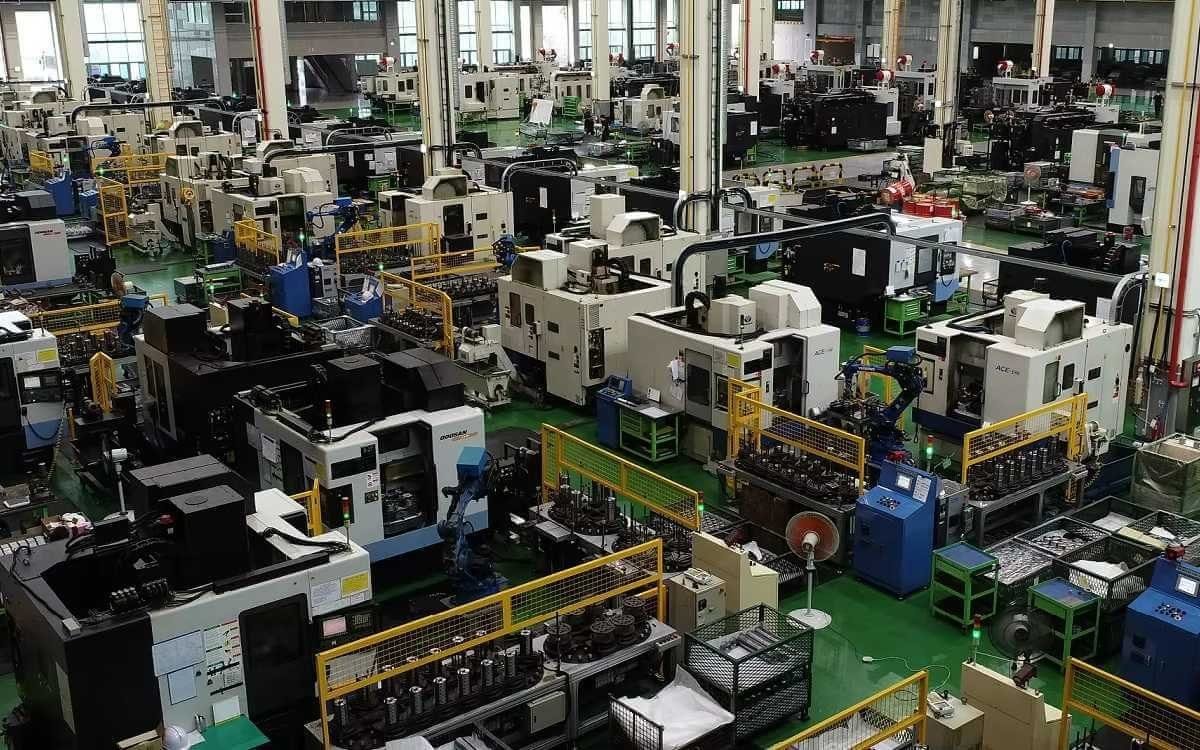
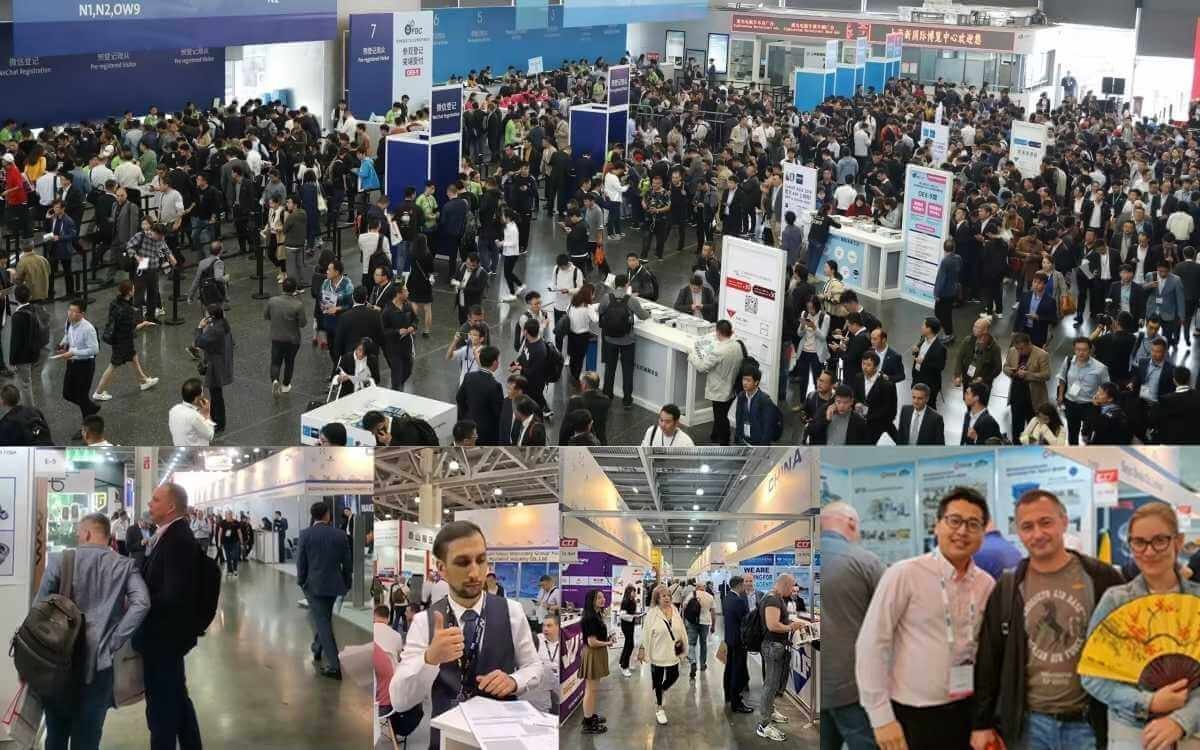
Company Profile

Frequently Asked Questions
1.What ls our Main Products?
1.Hydraulic pump
2.Hydraulic valve
3.Hydraulic motor
4.Hydraulic cylinder
5.Hydraulic parts
2. What about the MOQ?
3.What are your advantages?
- Adhere to quality first.
- Support customization, ODM & OEM service.
- 1-year warranty and complete after-sales support.
- Safe and fast shipping worldwide.
- 24-hour online service for your inquiries.
4.Are you a manufacturer? What’s your delivery time?
Yes, we are a manufacturer with our own factory.
Common models are in stock, and orders are usually shipped within 1–3 days.
5.Which payment methods are accepted?
We accept T/T, L/C, PayPal, VISA, Western Union, Apple Pay, Google Pay, Afterpay (Clearpay), Klarna, and Trade Assurance.
For full orders: 30% deposit, balance before shipment.
For small/sample orders: full payment in advance.
6.How will you deliver my goods?
We offer flexible shipping options: DHL, UPS, FedEx, TNT, EMS, as well as air or sea freight.
All deliveries ensure door-to-door fast and safe service.
7.How do you inspect and guarantee your products?
All products are tested before shipment to ensure perfect working condition.
We offer a 12-month warranty — if a product fails due to quality issues, we provide free spare parts or repair support.
8.What about after-sales service?
If you encounter any problem during use, please contact your sales manager or our support team at any time.
We will respond quickly and help solve the issue efficiently.
9.What are your main applications?
- Hydraulic systems
- Agricultural machinery
- Construction machinery
- Automobile industry
- Local distributors and maintenance centers
10.Can I get a discount for bulk orders?
Yes. We offer competitive wholesale prices and try our best to give benefits to long-term partners.
Shoot Us An Email
Professional Manufacturer