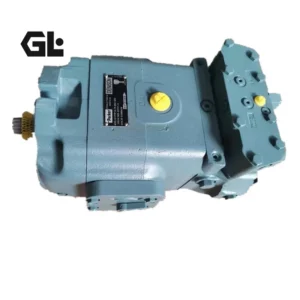
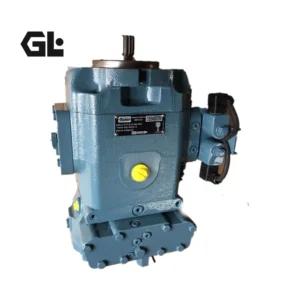
Product Overview
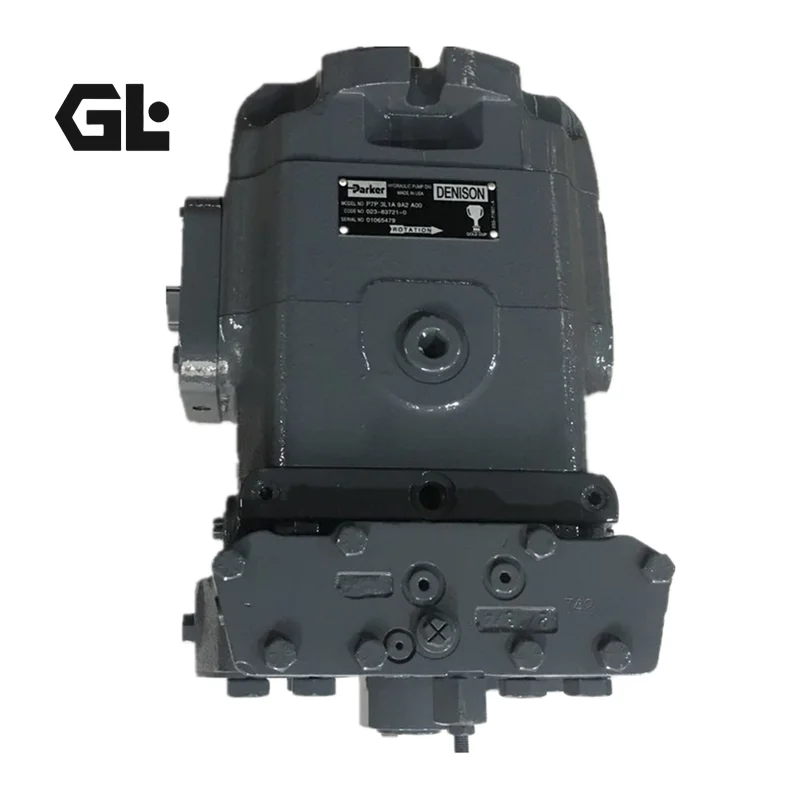
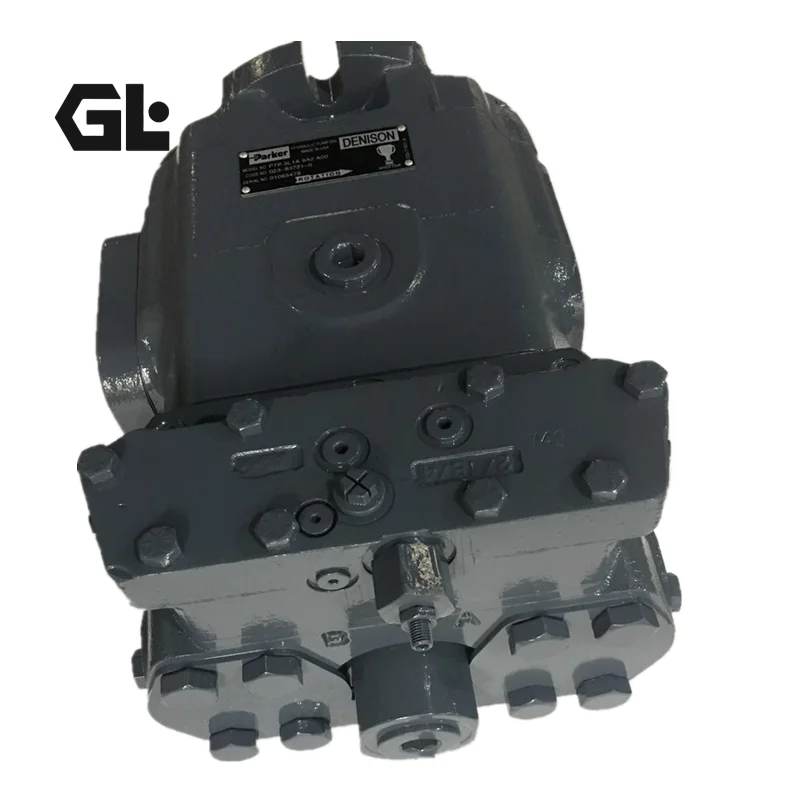
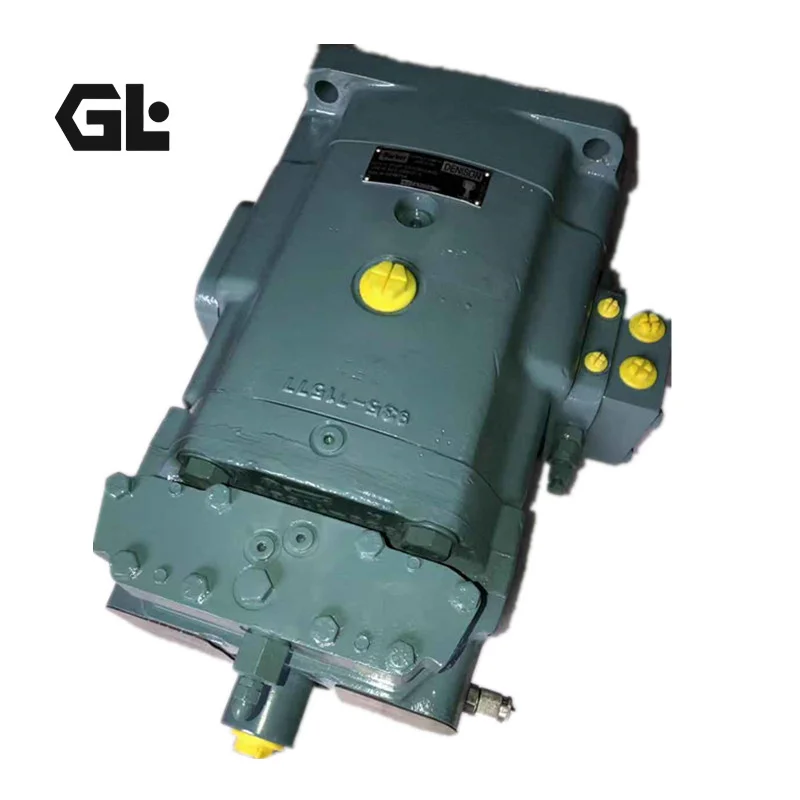
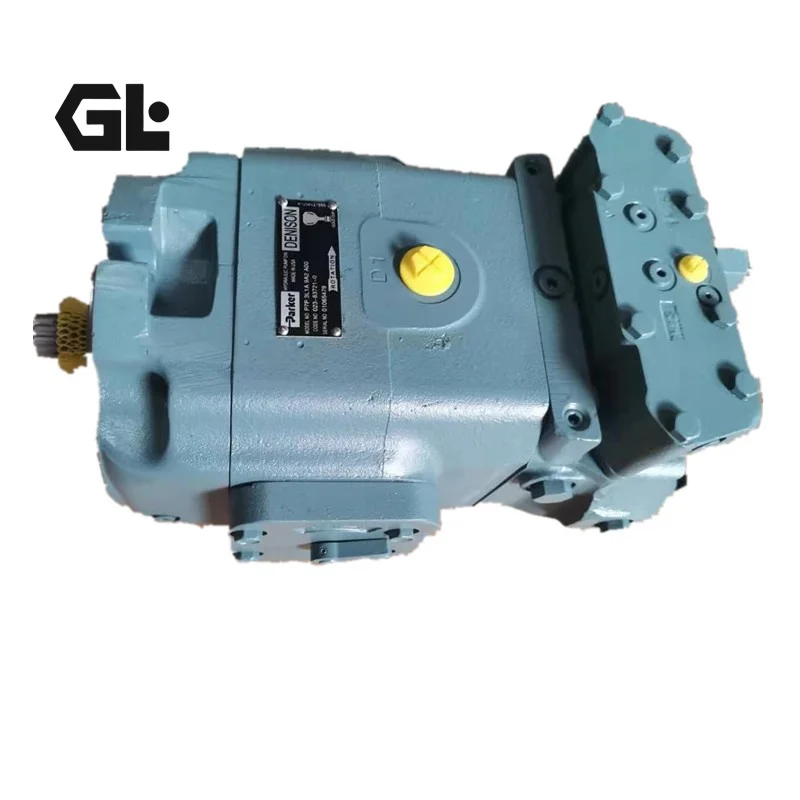
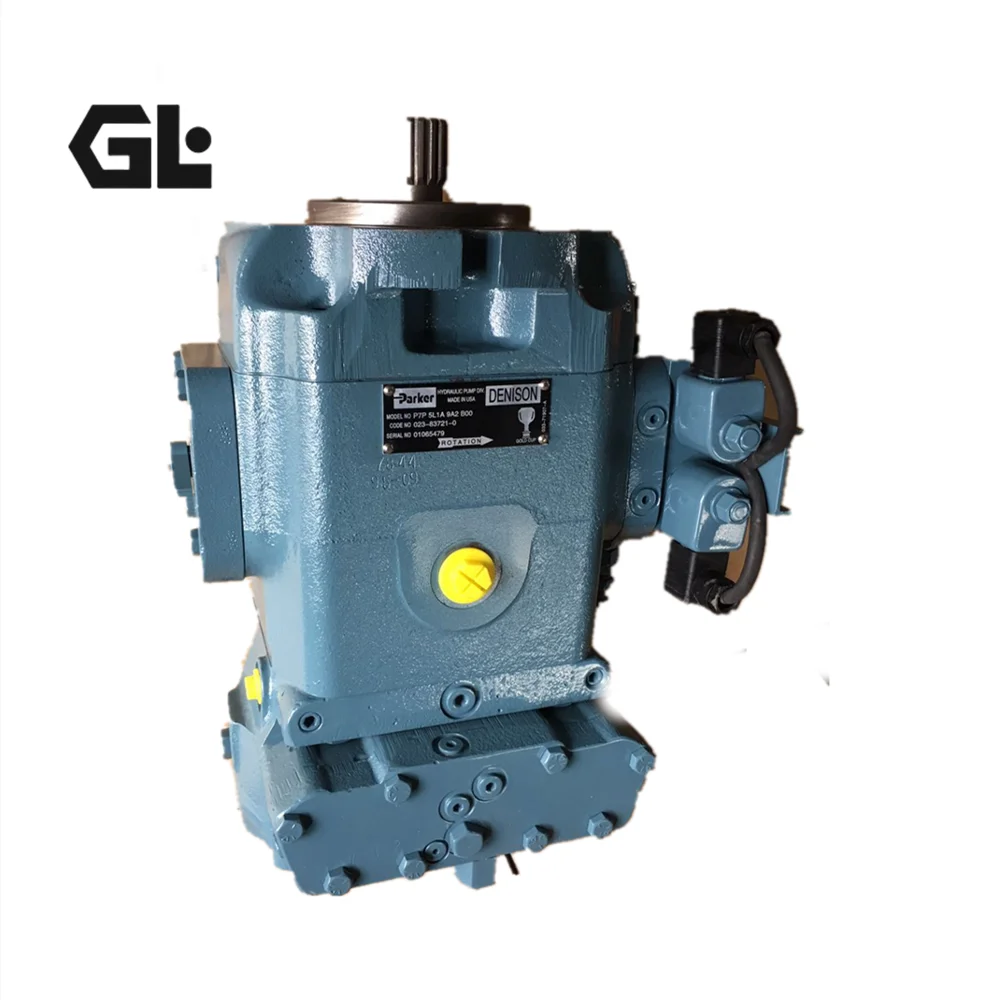
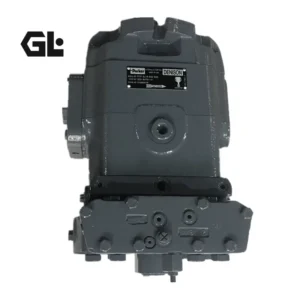
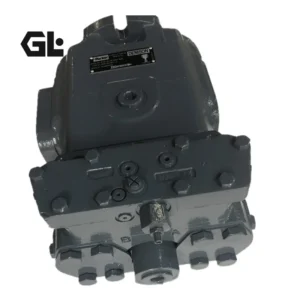
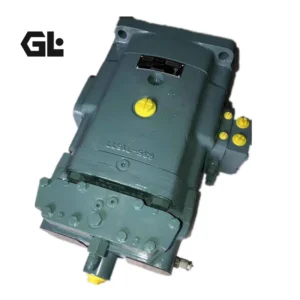
The P7P-5L1A-9A2-B00 is a Parker Hannifin GOLD CUP® P7 variable displacement axial piston pump designed for closed-circuit hydrostatic transmission applications. Parker specifies the P7 frame at 7.25 in³/rev, approximately 119 cm³/rev, while P7P identifies a variable displacement closed-circuit pump.
The Gold Cup architecture uses a rocker cam and cradle system for variable displacement control. Parker’s application handbook describes hydrostatic balancing of the cam and cradle, direct displacement control through the stroking mechanism, and a large barrel bearing that helps maintain stable barrel-to-port-plate contact under piston loading.
The ordering code supplied is:
P7P-5L1A-9A2-B00
Its documented configuration includes:
- P7: 7.25 in³/rev / approximately 119 cm³/rev
- P: Variable displacement, closed circuit
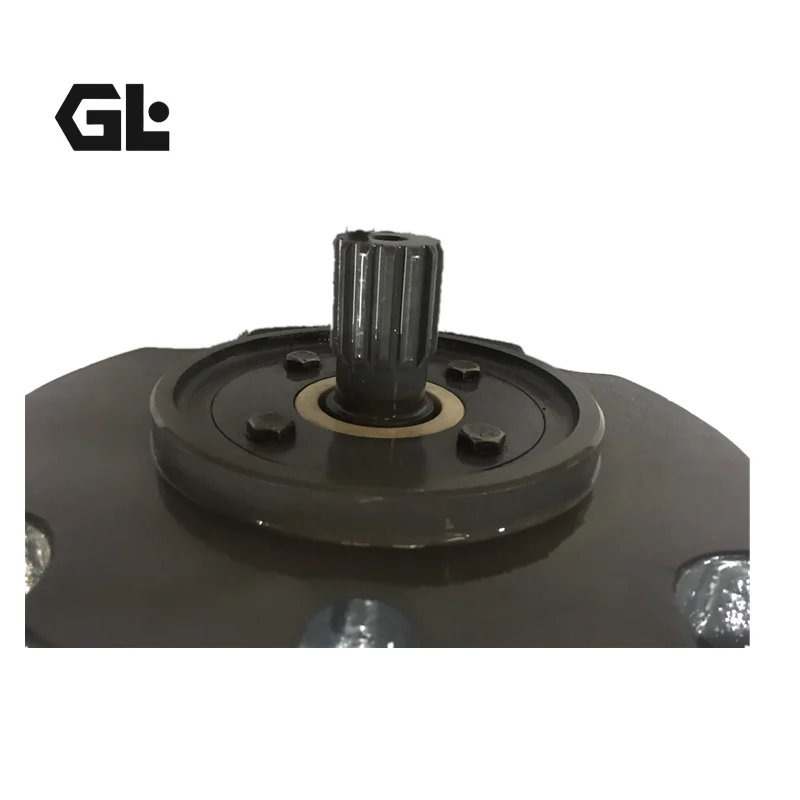
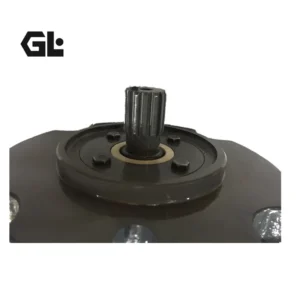
- 5: Splined SAE shaft with mechanical shaft seal
- L: Counterclockwise rotation
- 1: Nitrile / Buna-N seals
- A: Manufacturer-assigned design code
- 9A: Electrohydraulic stroker with adjustable maximum volume stops
- 2: Volume indicator
- B: Primary control on Port B side.
For replacement applications, our engineering process verifies the complete configuration rather than matching only the P7 family designation. Confirmed replacement units can be supplied for in-place interchangeability and subjected to 100% simulated working-condition testing.
Technical Specifications
P7P-5L1A-9A2-B00
- Brand: Parker Hannifin / Denison GOLD CUP®
- Series: GOLD CUP P7
- Model: P7P-5L1A-9A2-B00
- Product Type: Variable Displacement Axial Piston Pump
- Circuit: Closed Circuit
- Displacement: 7.25 in³/rev
- Metric Displacement: Approximately 119 cm³/rev
- Maximum Continuous Pressure: 5,000 psi / 344.8 bar
- Maximum Intermittent Pressure: 6,000 psi / 413.7 bar
- Rated Drive Speed: 3,000 rpm
- Reference Flow at 1,800 rpm: 57 GPM / 215.8 L/min
- Reference Input Power at 1,800 rpm and Maximum Continuous Pressure: 183 hp / 136.5 kW
- Shaft Code: 5 — Splined SAE, mechanical shaft seal
- Rotation: L — Counterclockwise
- Seal: 1 — Nitrile / Buna-N
- Primary Control: 9A — Electrohydraulic stroker
- Maximum Volume Stops: Adjustable
- Secondary Control: 2 — Volume indicator
- Control Location: B — Primary control on Port B side
- Auxiliary Pump: P6/P7/P8 Gold Cup units can use a 1.07 in³/rev / 17.5 cm³/rev internal servo/replenishing pump depending on the full configuration.
- Weight: No standard weight for this exact complete configuration was located in the Parker technical documents reviewed; confirm from the applicable factory drawing or nameplate.
Speed clarification
For the P7 frame, Parker’s published performance data specifies a 3,000 rpm rated drive speed. Parker’s broader Gold Cup promotional literature mentions speeds up to 3,600 rpm for the overall product family, but that should not be copied into this exact P7 configuration as its rated speed.
Key Technical Advantages
1. Rocker Cam and Cradle Variable Displacement
The Gold Cup rocker cam and cradle assembly provides variable displacement through hydrostatic balancing. Parker describes this arrangement as providing smooth displacement change and low noise characteristics, while avoiding the mechanical linkages associated with some alternative stroking mechanisms.
2. Electrohydraulic Displacement Control
The 9A code identifies an electrohydraulic stroker with adjustable maximum volume stops. This configuration provides an electrohydraulic interface for controlling pump displacement within the defined mechanical limits.
3. Integrated Volume Indication
The 2 secondary-control code represents a volume indicator. Parker also identifies the rocker-cam displacement indicator as a useful troubleshooting and service feature for Gold Cup systems.
4. Large Barrel Bearing Architecture
Parker identifies the large barrel bearing as one of the four key Gold Cup design features. It supports the rotating group against piston-induced mechanical imbalance and maintains stable barrel contact with the port plate.
5. Modular Control Design
Parker’s Gold Cup literature describes modular controls and replaceable valve-block architecture, supporting serviceability and configuration flexibility. Controls can also be positioned on different sides of the unit according to application requirements.
6. High-Pressure Closed-Circuit Capability
Parker’s published P7 performance data specifies 5,000 psi continuous pressure and 6,000 psi intermittent pressure, supporting demanding hydrostatic transmission applications where high pressure and power density are required.
Application Areas
The GOLD CUP family is documented by Parker for demanding mobile and industrial hydrostatic applications, including:
- Drilling equipment
- Blast hole drill rigs
- Mining machinery
- Construction equipment
- Cranes
- Shredding equipment
- Material handling systems
- Logging machinery
- Marine equipment
- Hydraulic test stands
- Pulp and paper machinery
- Military applications
- Power-generation equipment
- Oil & gas equipment.
Parker’s Gold Cup resource materials also describe tandem mounting as a method for addressing packaging, prime-mover speed and displacement requirements; P7 units are specifically referenced in this design context.
Final application compatibility must be verified against the original model code, shaft configuration, installation interface, control requirements, porting and actual operating pressure.
Expert Maintenance Tips
1. Verify rotation before installation.
The L code identifies counterclockwise pump rotation. Confirm the viewing orientation and drive arrangement against the applicable Parker installation drawing before commissioning.
2. Separate continuous and intermittent pressure limits.
For the P7 frame, Parker specifies 5,000 psi continuous and 6,000 psi intermittent pressure. System relief settings and operating profiles should reflect the actual duty cycle rather than treating the two values as interchangeable.
3. Control servo pressure correctly.
Parker’s Gold Cup sizing/resource information identifies 1,000 psi as the maximum servo pressure and recommends limiting servo pressure to approximately 750–800 psi in typical applications because additional pressure provides limited response-time benefit while potentially reducing internal servo/charge-component life.
4. Follow the dedicated startup procedure.
Parker’s application handbook contains dedicated sections for engine startup, cold startup, new-component startup, filtration and cleaning procedures. These should be followed when commissioning a replacement Gold Cup pump.
5. Maintain hydraulic cleanliness.
Because the 9A configuration uses electrohydraulic displacement control, contamination control is particularly important for the stroking and servo circuits. Flush contaminated piping and verify filtration before commissioning a replacement unit.
6. Match the spline and shaft configuration.
The 5 shaft code specifies a splined SAE mechanical-shaft-seal configuration. A visually similar P7 pump with a different shaft code should not be treated as a direct mechanical replacement without dimensional verification.
7. Treat P7D3R1A9A2B00NP as a separate configuration.
Although it shares the P7 119 cm³/rev frame, P7D identifies a variable-displacement open/closed-circuit pump, while P7P identifies a variable-displacement closed-circuit pump. The NP modification in the P7D code should be verified from the original nameplate or Parker configuration records rather than assigned an unverified meaning.