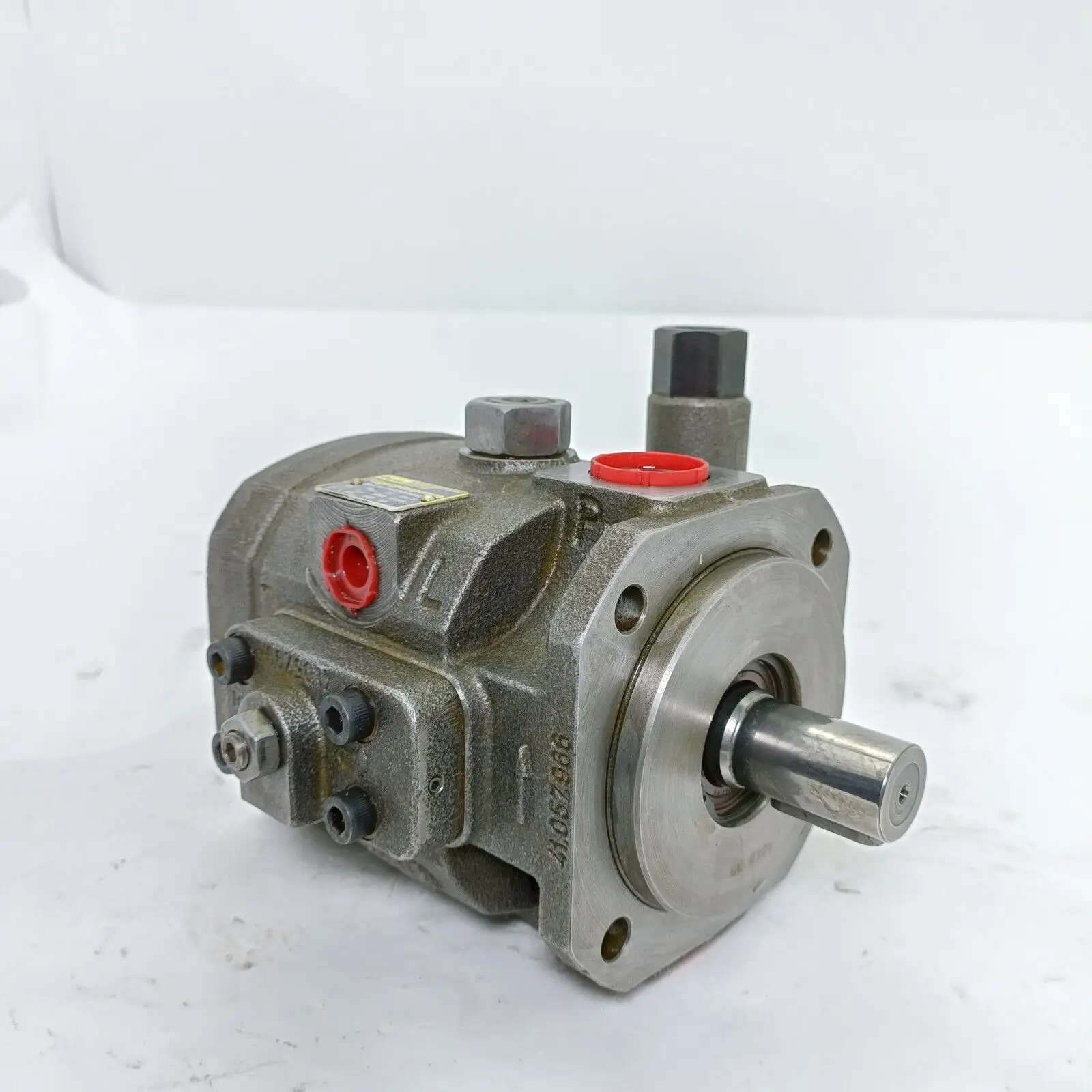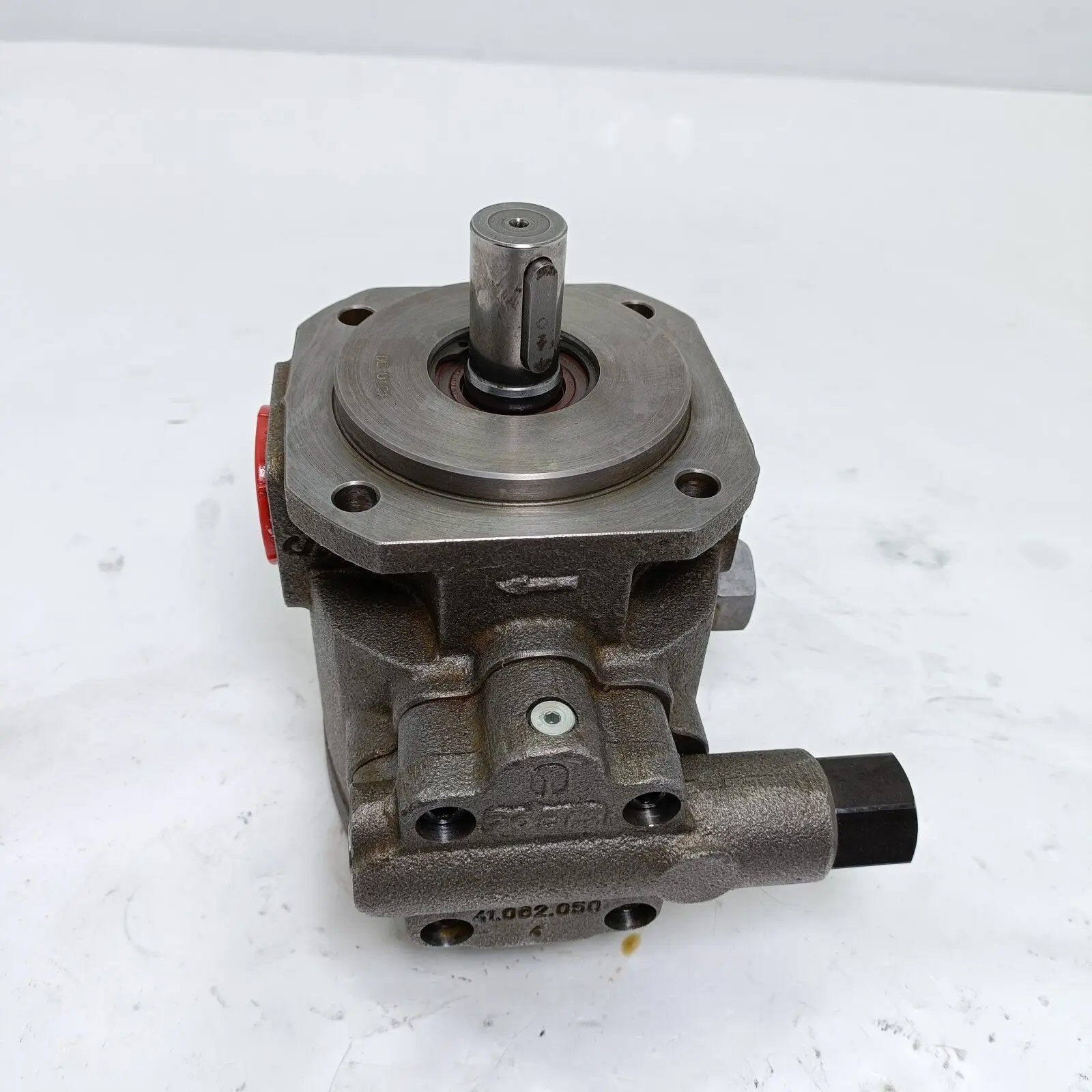
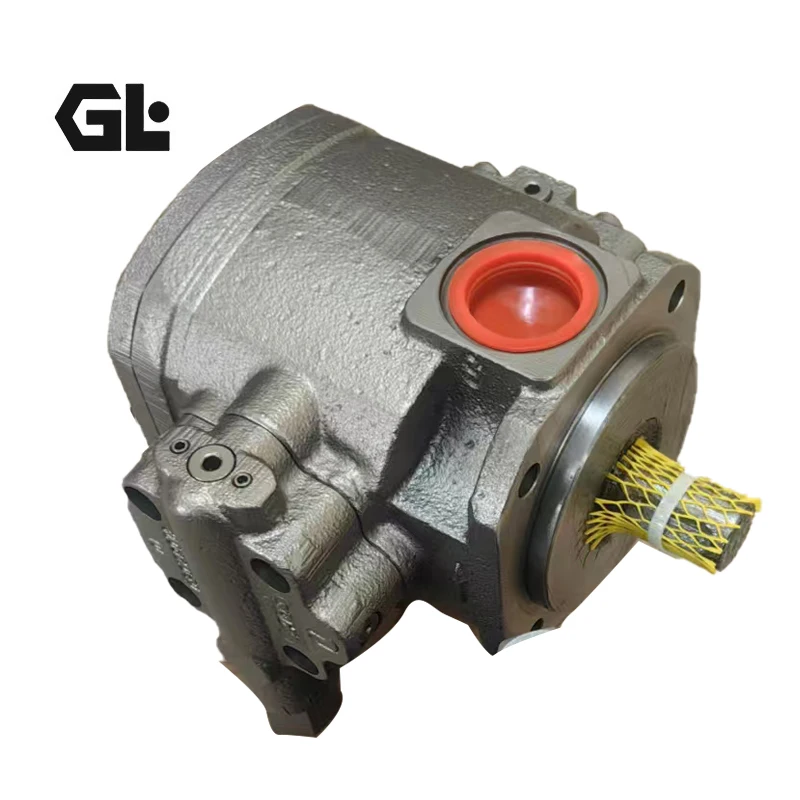
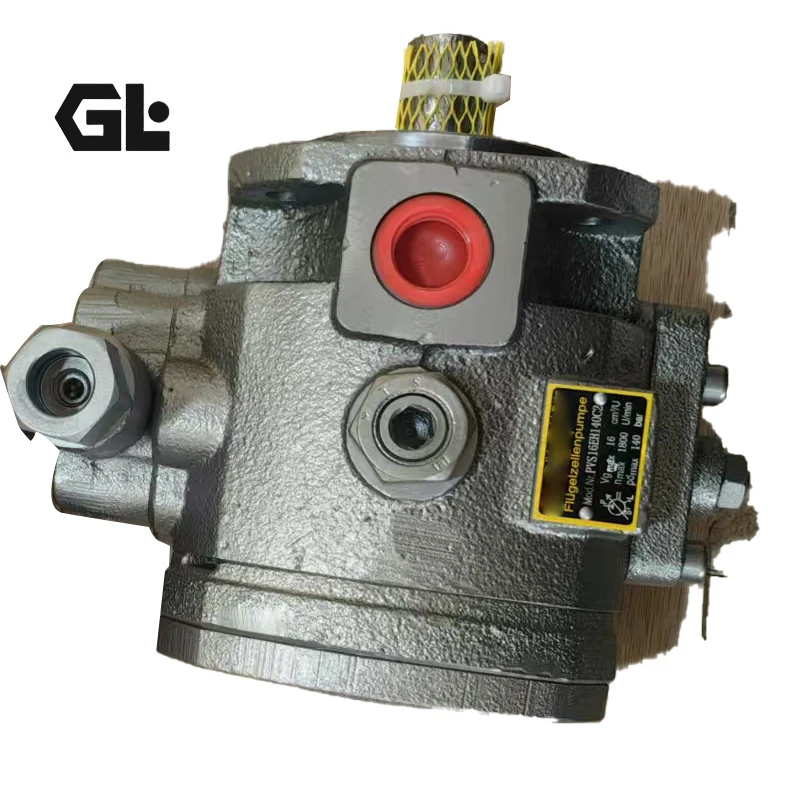
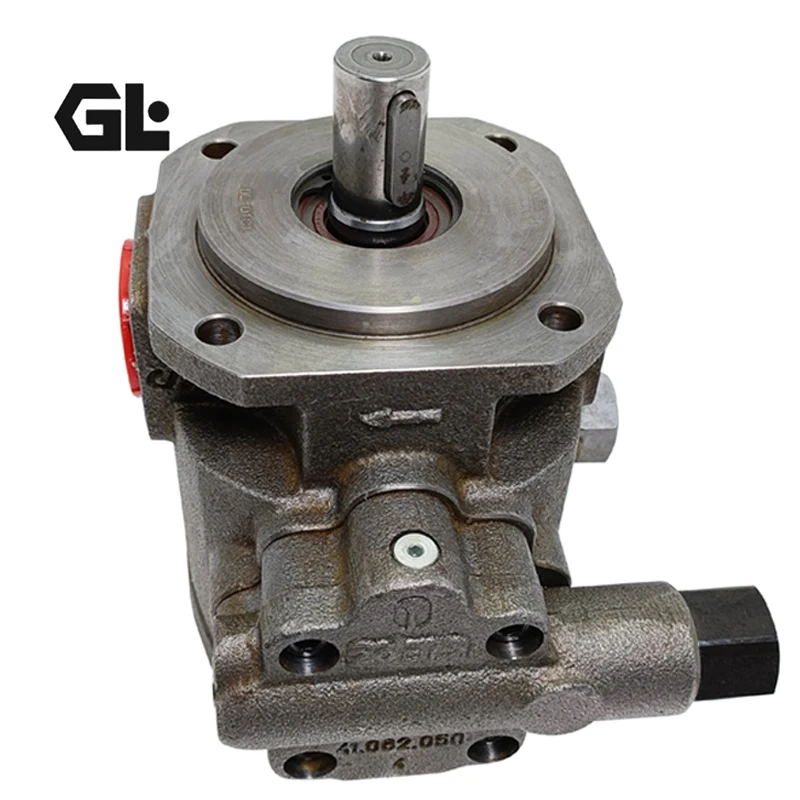
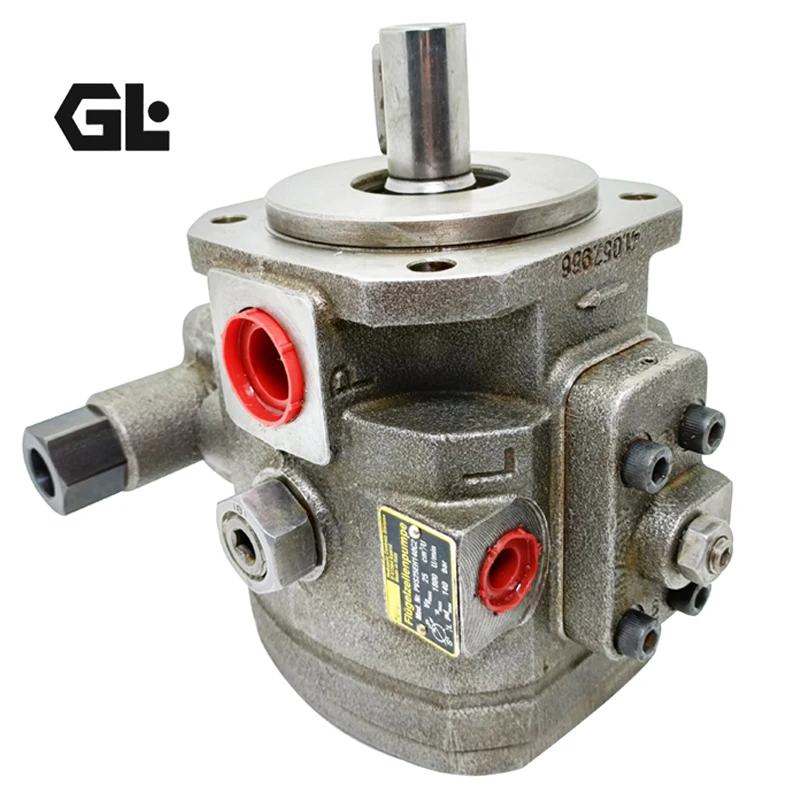
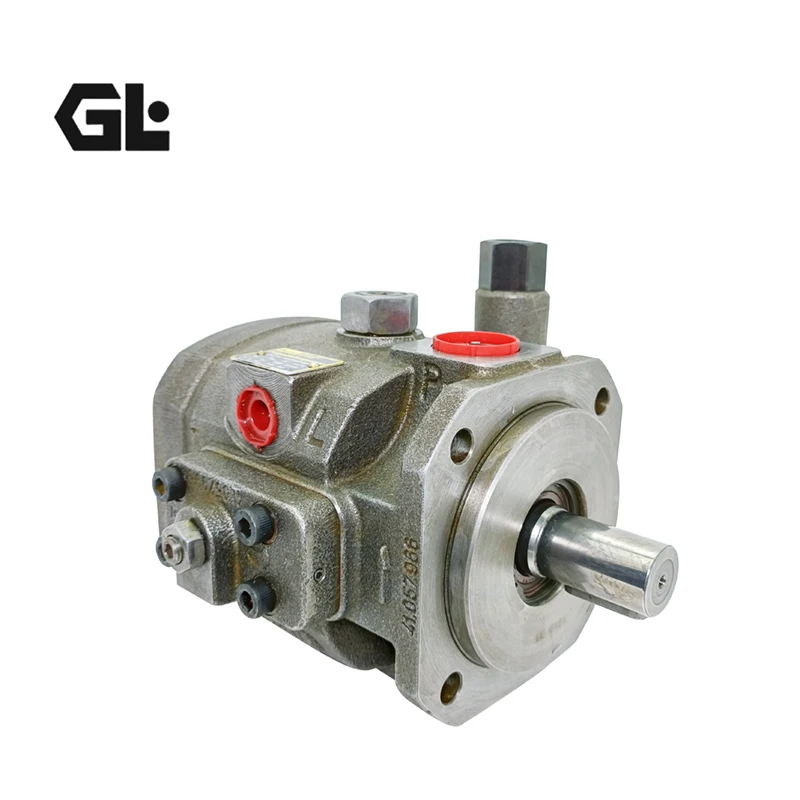
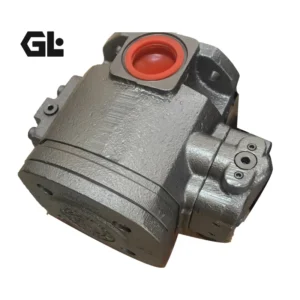
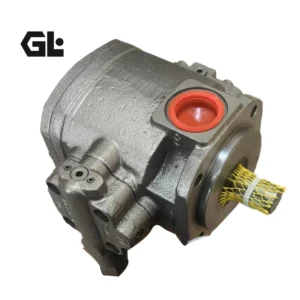
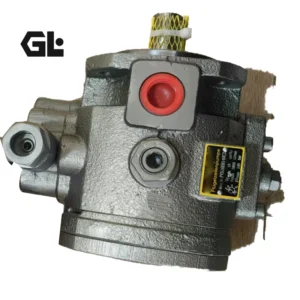
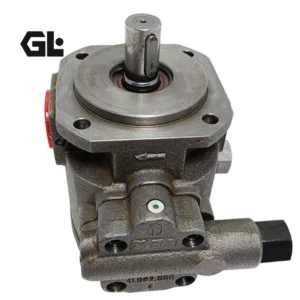
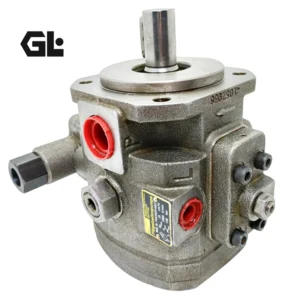
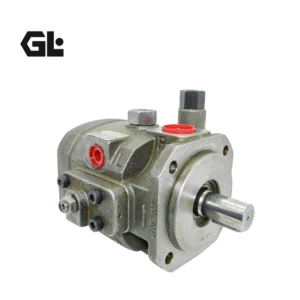
PVS25EH140C2 Hydraulic Piston Pump PVS PVS32 PVS25 PVS40 Series PVS32AZ140C2 PVS25AZ140C2
| Model Number | PVS25EH140C2, PVS32AZ140C2, PVS25AZ140C2, PVS32, PVS25, PVS40 |
|---|
SKU
N/A
Categories Hydraulic Pump, Vane Pump
Tags 12v hydraulic pump, air hydraulic pump, air pump, axial piston pump, hydraulic gear pump, hydraulic hand pump, hydraulic pump, jcb hydraulic pump, kayaba hydraulic pump, parker hydraulic pump, piston pump, pto hydraulic pump, radial piston pump, uchida hydraulic pump
Product Description
PVS25EH140C2 hydraulic piston pump PVS PVS32 PVS25 PVS40 Series PVS32AZ140C2 PVS25AZ140C2 hydraulic vane pump


The PVS series belongs to single-acting variable vane pumps. Its core relies on the eccentric structure of the rotor and stator to achieve oil suction and discharge. The displacement is adjusted by changing the eccentricity between the two. The specific working principle can be divided into two parts: the basic oil suction and discharge process and the variable adjustment mechanism. The details are as follows:
Basic oil suction and discharge process
This series of pumps is composed of core components such as rotors, stators, blades, oil distribution plates and end covers. The inner surface of the stator is a cylindrical hole, and there is an initial eccentricity between the rotor and the stator. When the motor drives the rotor to rotate, the blades in the rotor slots will tightly adhere to the inner surface of the stator under the combined action of centrifugal force and pressure oil introduced into the root of the blades. At this point, multiple independent sealed working chambers will be formed between adjacent blades and the rotor, stator, and oil distribution plate.
When the rotor keeps rotating, the blades will extend outward when they reach the stator side, gradually increasing the volume of the sealed working chamber. A negative pressure is formed inside the chamber, and the hydraulic oil is then drawn in through the oil suction window on the oil distribution plate. When the blades rotate to the other side of the stator, they will be gradually pressed back into the rotor slots by the inner surface of the stator, and the volume of the sealed working chamber will decrease accordingly. The hydraulic oil in the chamber is squeezed and then discharged to the hydraulic system through the pressure oil window of the oil distribution plate. Each time the rotor rotates one circle, it can complete one oil suction and one oil discharge process.
Core variable regulation mechanism
This is the key difference between it and the quantitative vane pump. The stator of this series of pumps can be flexibly moved. By adjusting the position of the stator to change the eccentricity between it and the rotor, the displacement of the pump can be adjusted: the greater the eccentricity, the greater the volume change range of the sealed working chamber, and the more oil is discharged in a single rotation of the pump. Conversely, the smaller the eccentricity, the smaller the displacement.
In actual working conditions, if the system load increases and the pressure rises, it will push the variable mechanism of the pump (such as the control piston) to move, which in turn will drive the stator closer to the rotor to reduce the eccentricity, causing the displacement to automatically decrease and only maintain the pressure required by the system. When the load decreases and the pressure drops, the variable mechanism resets, the eccentricity between the stator and rotor recovers, and the displacement increases accordingly, thereby adapting to the flow requirements of the hydraulic system under different working conditions.
The VS series variable vane pumps, with their swash plate structure design and precise process calibration, have significant advantages in terms of regulating performance, operating status, and adaptability, as detailed below:
Outstanding regulating performance
Fast response speed: This series of pumps has a short adjustment time. In the face of sudden changes in the load and pressure of the hydraulic system in industrial scenarios, it can quickly adjust the displacement to adapt to the working conditions, avoiding the system’s action lag due to power supply lag, and ensuring the continuous and stable operation of the equipment. For example, in the feed system of machine tools, it can quickly match the flow requirements of different cutting speeds.
Wide adjustment range: The displacement covers the range of 8-50 mL /rev. It can meet the different flow output requirements of the hydraulic system through adjustment at a constant speed, and is suitable for various industrial hydraulic circuits from light to medium loads. It can be adapted to different working stages of the same equipment without replacing the pump body.
The operation status is stable and efficient
Low noise and low vibration: With high-precision processed blades and a balanced rotor structure, mechanical shock during operation is significantly reduced. This not only lowers noise pollution but also maintains a low vibration level, making it suitable for scenarios with requirements for noise and vibration in the working environment, such as hydraulic systems for precision instruments.
Outstanding energy efficiency: The swash plate structure optimizes the energy conversion path, reducing energy loss during the hydraulic oil transportation process. It can stably maintain high efficiency operation within the conventional speed range of 1000-1800 RPM. Long-term use can help industrial equipment reduce energy consumption costs.
Strong durability: The pump body is made of high-strength cast steel, which can effectively resist wear and pressure shock under working conditions. At the same time, it is suitable for oil viscosity ranging from 22 to 100mm²/s and oil temperature from -10 ℃ to +70℃, reducing the wear and tear on the pump body under extreme working conditions and extending its service life.
It has strong adaptability and practicality
Good installation compatibility: The installation method complies with the provisions of Part 1 of VDMA24560, and the 4-hole flange conforms to the ISO3019/2 standard. This standardized design enables it to be easily integrated into most industrial hydraulic systems without the need for additional modification of the installation interface, reducing equipment compatibility costs.
Flexible model selection: In addition to the basic PVS model, there are also various subtypes with different regulator functions such as PVY and PVD. When paired with different displacement models like PVS08, PVS12, and even PVS50, they can precisely meet the hydraulic requirements of different equipment such as injection molding machines, machine tools, and industrial boilers
Basic oil suction and discharge process
This series of pumps is composed of core components such as rotors, stators, blades, oil distribution plates and end covers. The inner surface of the stator is a cylindrical hole, and there is an initial eccentricity between the rotor and the stator. When the motor drives the rotor to rotate, the blades in the rotor slots will tightly adhere to the inner surface of the stator under the combined action of centrifugal force and pressure oil introduced into the root of the blades. At this point, multiple independent sealed working chambers will be formed between adjacent blades and the rotor, stator, and oil distribution plate.
When the rotor keeps rotating, the blades will extend outward when they reach the stator side, gradually increasing the volume of the sealed working chamber. A negative pressure is formed inside the chamber, and the hydraulic oil is then drawn in through the oil suction window on the oil distribution plate. When the blades rotate to the other side of the stator, they will be gradually pressed back into the rotor slots by the inner surface of the stator, and the volume of the sealed working chamber will decrease accordingly. The hydraulic oil in the chamber is squeezed and then discharged to the hydraulic system through the pressure oil window of the oil distribution plate. Each time the rotor rotates one circle, it can complete one oil suction and one oil discharge process.
Core variable regulation mechanism
This is the key difference between it and the quantitative vane pump. The stator of this series of pumps can be flexibly moved. By adjusting the position of the stator to change the eccentricity between it and the rotor, the displacement of the pump can be adjusted: the greater the eccentricity, the greater the volume change range of the sealed working chamber, and the more oil is discharged in a single rotation of the pump. Conversely, the smaller the eccentricity, the smaller the displacement.
In actual working conditions, if the system load increases and the pressure rises, it will push the variable mechanism of the pump (such as the control piston) to move, which in turn will drive the stator closer to the rotor to reduce the eccentricity, causing the displacement to automatically decrease and only maintain the pressure required by the system. When the load decreases and the pressure drops, the variable mechanism resets, the eccentricity between the stator and rotor recovers, and the displacement increases accordingly, thereby adapting to the flow requirements of the hydraulic system under different working conditions.
The VS series variable vane pumps, with their swash plate structure design and precise process calibration, have significant advantages in terms of regulating performance, operating status, and adaptability, as detailed below:
Outstanding regulating performance
Fast response speed: This series of pumps has a short adjustment time. In the face of sudden changes in the load and pressure of the hydraulic system in industrial scenarios, it can quickly adjust the displacement to adapt to the working conditions, avoiding the system’s action lag due to power supply lag, and ensuring the continuous and stable operation of the equipment. For example, in the feed system of machine tools, it can quickly match the flow requirements of different cutting speeds.
Wide adjustment range: The displacement covers the range of 8-50 mL /rev. It can meet the different flow output requirements of the hydraulic system through adjustment at a constant speed, and is suitable for various industrial hydraulic circuits from light to medium loads. It can be adapted to different working stages of the same equipment without replacing the pump body.
The operation status is stable and efficient
Low noise and low vibration: With high-precision processed blades and a balanced rotor structure, mechanical shock during operation is significantly reduced. This not only lowers noise pollution but also maintains a low vibration level, making it suitable for scenarios with requirements for noise and vibration in the working environment, such as hydraulic systems for precision instruments.
Outstanding energy efficiency: The swash plate structure optimizes the energy conversion path, reducing energy loss during the hydraulic oil transportation process. It can stably maintain high efficiency operation within the conventional speed range of 1000-1800 RPM. Long-term use can help industrial equipment reduce energy consumption costs.
Strong durability: The pump body is made of high-strength cast steel, which can effectively resist wear and pressure shock under working conditions. At the same time, it is suitable for oil viscosity ranging from 22 to 100mm²/s and oil temperature from -10 ℃ to +70℃, reducing the wear and tear on the pump body under extreme working conditions and extending its service life.
It has strong adaptability and practicality
Good installation compatibility: The installation method complies with the provisions of Part 1 of VDMA24560, and the 4-hole flange conforms to the ISO3019/2 standard. This standardized design enables it to be easily integrated into most industrial hydraulic systems without the need for additional modification of the installation interface, reducing equipment compatibility costs.
Flexible model selection: In addition to the basic PVS model, there are also various subtypes with different regulator functions such as PVY and PVD. When paired with different displacement models like PVS08, PVS12, and even PVS50, they can precisely meet the hydraulic requirements of different equipment such as injection molding machines, machine tools, and industrial boilers
PVS25EH140C2 is a variable vane pump, often used in industrial hydraulic systems such as injection molding machines and die-casting machines. The following is a comprehensive summary of information from model analysis to series model listing:
Model Analysis
There is no officially disclosed complete disassembly description for this model. Based on the naming rules of the PVS series and industry practices, the following inferences are made:
Speculation on the meanings of model segments
The PVS series code represents the basic series of this variable vane pump
The relevant marking of 25 displacement corresponds to the pump’s displacement specification of 25ml/rev
E may represent a specific control mode or structural variant, and is presumed to be the standard control type suitable for conventional working conditions
H is most likely to refer to hydraulic-related adaptation characteristics, such as adaptation to specific hydraulic circuits or compatibility attributes of hydraulic media
The 140 rated pressure marking corresponds to a rated pressure of 140bar at the oil outlet
The C2 additional feature code is presumed to be a differentiated identifier for sealing grade, installation interface type or compatible accessories, used to distinguish sub-models under the same displacement and pressure
Product parameters
Specific values of parameter categories
Structural type: swash plate variable vane pump
Displacement: 25ml/rev (Series displacement range: 8-50ml/rev
Rated pressure: 140bar
The rotational speed range is 1000-1800rpm
Suitable oil temperature range: -10℃ to +70℃
Suitable for oil viscosity: 22-100mm²/s
Working principle
As a swash plate variable vane pump, the core of this pump is to adjust the displacement by changing the inclination Angle of the swash plate, thereby achieving the conversion of hydraulic energy and mechanical energy. The motor drives the pump shaft to rotate the rotor. Under the action of centrifugal force and oil pressure, the blades on the rotor closely adhere to the inner surface of the stator. There is an eccentricity between the stator and the rotor. During rotation, the volume of the sealed cavity between the blades changes periodically – when the volume increases, a negative pressure is formed to draw in the hydraulic oil, and when the volume decreases, the oil is squeezed to form high pressure and discharged. At the same time, by adjusting the Angle of the swash plate, the blade stroke can be changed to achieve stepless adjustment of the displacement, ultimately adapting to different flow requirements of the system.
Functional features
Stepless variable regulation: At a constant rotational speed, the displacement can be steplessly changed by adjusting the inclination Angle of the swash plate, thereby flexibly matching the flow requirements of the hydraulic system and adapting to the power output regulation under different working conditions.
Multiple compatibility features: It can be adapted to the static pressure transmission of open hydraulic circuits, and is compatible with the same series of hydraulic valves, controllers and other accessories to form a complete hydraulic control system.
Strong operational stability: The high-precision blade structure and wear-resistant materials are combined to reduce the wear between the blades and the stator, lower the pressure and flow pulsation, ensure the smooth operation of the hydraulic system, and avoid equipment operation jamming.
Product advantages
Excellent regulation performance: Short regulation time, and the displacement regulation range covers 8-50 ml/rev, which can quickly respond to changes in working conditions and adapt to the flow demand switching under different loads.
Low operating noise: The optimized structural design, the way the blades fit the stator and the swash plate structure reduce mechanical shock during operation, and the operating noise can be controlled at a relatively low level, improving the working environment in industrial sites.
Outstanding energy efficiency and lifespan: High hydraulic transmission efficiency, reducing energy loss; The core components are made of wear-resistant alloy materials and are combined with a reasonable lubrication structure to extend the overall service life of the pump body and are suitable for long-term continuous operation.
Operating environment
It should be installed in a dry and well-ventilated environment to avoid rusting of the cast iron casing of the pump body caused by a damp environment. At the same time, it is convenient to observe the operating status and maintenance.
The oil should be kept clean. It is recommended to replace it regularly (every 1000 to 3000 hours or once every six months) to prevent impurities from wearing down core components such as blades and stators. The oil should meet the viscosity requirement of 22-100mm ²/s, and the temperature should be controlled between -10 ℃ and +70℃ to avoid extreme temperatures affecting the performance of the oil and the sealing of the pump body.
Usage scenarios
This pump is compatible with medium and high-pressure hydraulic systems and is widely used in various industrial machinery and equipment. Typical scenarios include mold closing and injection molding action control in injection molding machines and die-casting machines. Hydraulic power supply for the spindle drive and feed system of machine tools; Power output of hydraulic actuators for small construction machinery; It is also the power source for the hydraulic circuits of equipment such as baling machines and bending machines, and is a core component of industrial hydraulics with strong general-purpose capabilities.
List of PVS series models
This series is divided into multiple sub-models based on differences in displacement and additional features. Common ones include PVS08AZ140, PVS08EH140C2Z, PVS12BY140C2, PVS12EH140C2Z, PVS16EH032C2, PVS16EH140C2Z, PVS25AZ140, and PVS25EH140C2 – DZ, PVS32EH140Z, PVS40AZ140, PVS40EH140, PVS50AZ140C2Z, PVS50EH140, etc. In addition, the basic models of the series also include core displacement identification models such as PVS08, PVS12, PVS16, PVS32, PVS40, and PVS50, which can be combined with different suffixes to form sub-models suitable for different scenarios.
Model Analysis
There is no officially disclosed complete disassembly description for this model. Based on the naming rules of the PVS series and industry practices, the following inferences are made:
Speculation on the meanings of model segments
The PVS series code represents the basic series of this variable vane pump
The relevant marking of 25 displacement corresponds to the pump’s displacement specification of 25ml/rev
E may represent a specific control mode or structural variant, and is presumed to be the standard control type suitable for conventional working conditions
H is most likely to refer to hydraulic-related adaptation characteristics, such as adaptation to specific hydraulic circuits or compatibility attributes of hydraulic media
The 140 rated pressure marking corresponds to a rated pressure of 140bar at the oil outlet
The C2 additional feature code is presumed to be a differentiated identifier for sealing grade, installation interface type or compatible accessories, used to distinguish sub-models under the same displacement and pressure
Product parameters
Specific values of parameter categories
Structural type: swash plate variable vane pump
Displacement: 25ml/rev (Series displacement range: 8-50ml/rev
Rated pressure: 140bar
The rotational speed range is 1000-1800rpm
Suitable oil temperature range: -10℃ to +70℃
Suitable for oil viscosity: 22-100mm²/s
Working principle
As a swash plate variable vane pump, the core of this pump is to adjust the displacement by changing the inclination Angle of the swash plate, thereby achieving the conversion of hydraulic energy and mechanical energy. The motor drives the pump shaft to rotate the rotor. Under the action of centrifugal force and oil pressure, the blades on the rotor closely adhere to the inner surface of the stator. There is an eccentricity between the stator and the rotor. During rotation, the volume of the sealed cavity between the blades changes periodically – when the volume increases, a negative pressure is formed to draw in the hydraulic oil, and when the volume decreases, the oil is squeezed to form high pressure and discharged. At the same time, by adjusting the Angle of the swash plate, the blade stroke can be changed to achieve stepless adjustment of the displacement, ultimately adapting to different flow requirements of the system.
Functional features
Stepless variable regulation: At a constant rotational speed, the displacement can be steplessly changed by adjusting the inclination Angle of the swash plate, thereby flexibly matching the flow requirements of the hydraulic system and adapting to the power output regulation under different working conditions.
Multiple compatibility features: It can be adapted to the static pressure transmission of open hydraulic circuits, and is compatible with the same series of hydraulic valves, controllers and other accessories to form a complete hydraulic control system.
Strong operational stability: The high-precision blade structure and wear-resistant materials are combined to reduce the wear between the blades and the stator, lower the pressure and flow pulsation, ensure the smooth operation of the hydraulic system, and avoid equipment operation jamming.
Product advantages
Excellent regulation performance: Short regulation time, and the displacement regulation range covers 8-50 ml/rev, which can quickly respond to changes in working conditions and adapt to the flow demand switching under different loads.
Low operating noise: The optimized structural design, the way the blades fit the stator and the swash plate structure reduce mechanical shock during operation, and the operating noise can be controlled at a relatively low level, improving the working environment in industrial sites.
Outstanding energy efficiency and lifespan: High hydraulic transmission efficiency, reducing energy loss; The core components are made of wear-resistant alloy materials and are combined with a reasonable lubrication structure to extend the overall service life of the pump body and are suitable for long-term continuous operation.
Operating environment
It should be installed in a dry and well-ventilated environment to avoid rusting of the cast iron casing of the pump body caused by a damp environment. At the same time, it is convenient to observe the operating status and maintenance.
The oil should be kept clean. It is recommended to replace it regularly (every 1000 to 3000 hours or once every six months) to prevent impurities from wearing down core components such as blades and stators. The oil should meet the viscosity requirement of 22-100mm ²/s, and the temperature should be controlled between -10 ℃ and +70℃ to avoid extreme temperatures affecting the performance of the oil and the sealing of the pump body.
Usage scenarios
This pump is compatible with medium and high-pressure hydraulic systems and is widely used in various industrial machinery and equipment. Typical scenarios include mold closing and injection molding action control in injection molding machines and die-casting machines. Hydraulic power supply for the spindle drive and feed system of machine tools; Power output of hydraulic actuators for small construction machinery; It is also the power source for the hydraulic circuits of equipment such as baling machines and bending machines, and is a core component of industrial hydraulics with strong general-purpose capabilities.
List of PVS series models
This series is divided into multiple sub-models based on differences in displacement and additional features. Common ones include PVS08AZ140, PVS08EH140C2Z, PVS12BY140C2, PVS12EH140C2Z, PVS16EH032C2, PVS16EH140C2Z, PVS25AZ140, and PVS25EH140C2 – DZ, PVS32EH140Z, PVS40AZ140, PVS40EH140, PVS50AZ140C2Z, PVS50EH140, etc. In addition, the basic models of the series also include core displacement identification models such as PVS08, PVS12, PVS16, PVS32, PVS40, and PVS50, which can be combined with different suffixes to form sub-models suitable for different scenarios.
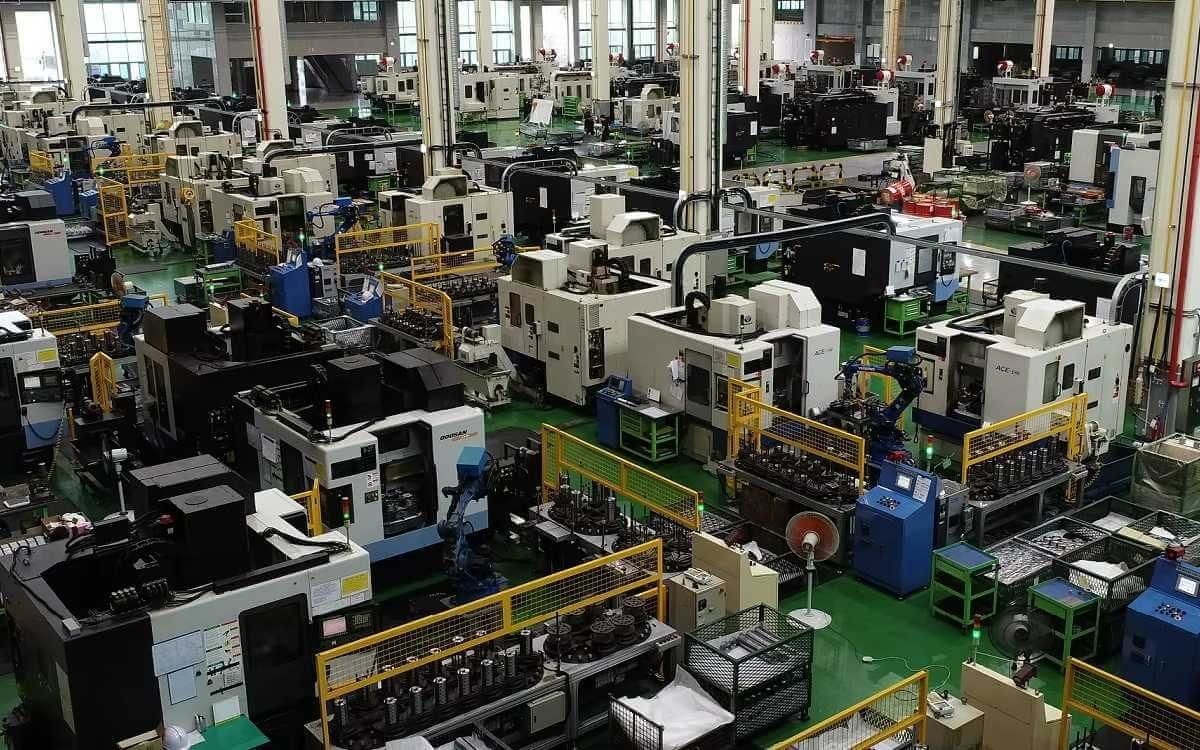
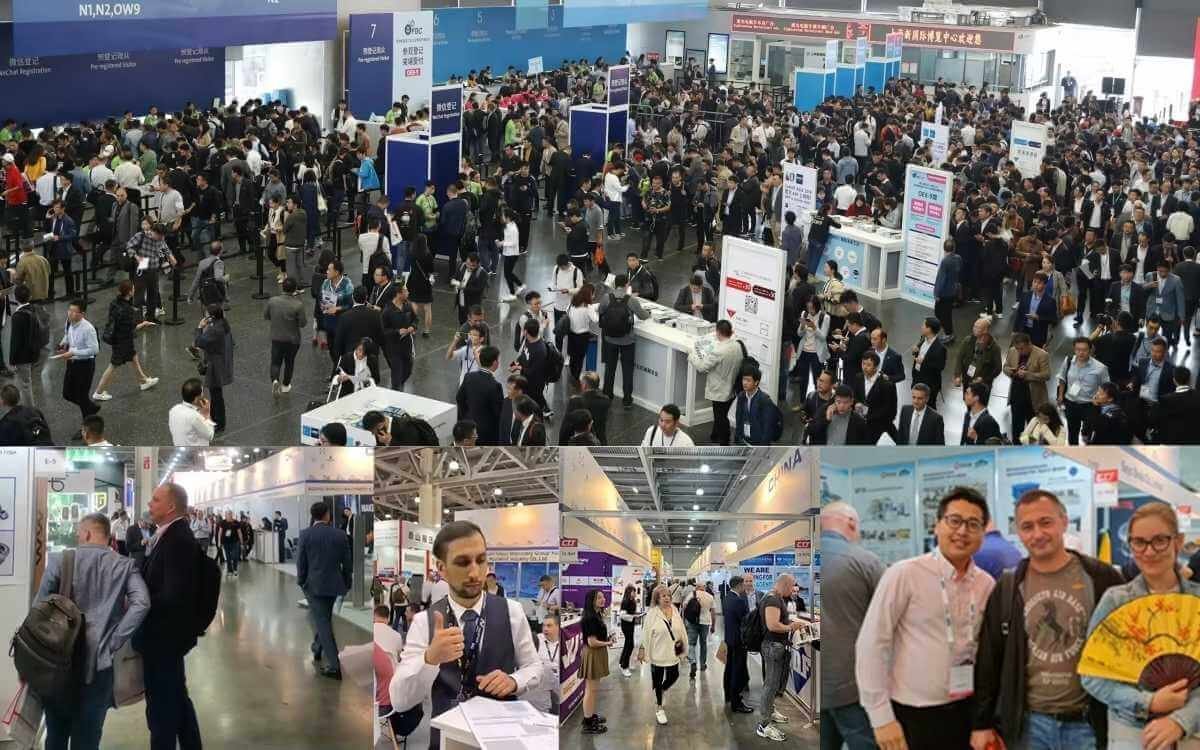
Company Profile


Frequently Asked Questions
1.What ls our Main Products?
1.Hydraulic pump
2.Hydraulic valve
3.Hydraulic motor
4.Hydraulic cylinder
5.Hydraulic parts
2. What about the MOQ?
3.What are your advantages?
- Adhere to quality first.
- Support customization, ODM & OEM service.
- 1-year warranty and complete after-sales support.
- Safe and fast shipping worldwide.
- 24-hour online service for your inquiries.
4.Are you a manufacturer? What’s your delivery time?
Yes, we are a manufacturer with our own factory.
Common models are in stock, and orders are usually shipped within 1–3 days.
5.Which payment methods are accepted?
We accept T/T, L/C, PayPal, VISA, Western Union, Apple Pay, Google Pay, Afterpay (Clearpay), Klarna, and Trade Assurance.
For full orders: 30% deposit, balance before shipment.
For small/sample orders: full payment in advance.
6.How will you deliver my goods?
We offer flexible shipping options: DHL, UPS, FedEx, TNT, EMS, as well as air or sea freight.
All deliveries ensure door-to-door fast and safe service.
7.How do you inspect and guarantee your products?
All products are tested before shipment to ensure perfect working condition.
We offer a 12-month warranty — if a product fails due to quality issues, we provide free spare parts or repair support.
8.What about after-sales service?
If you encounter any problem during use, please contact your sales manager or our support team at any time.
We will respond quickly and help solve the issue efficiently.
9.What are your main applications?
- Hydraulic systems
- Agricultural machinery
- Construction machinery
- Automobile industry
- Local distributors and maintenance centers
10.Can I get a discount for bulk orders?
Yes. We offer competitive wholesale prices and try our best to give benefits to long-term partners.
Shoot Us An Email
Professional Manufacturer