
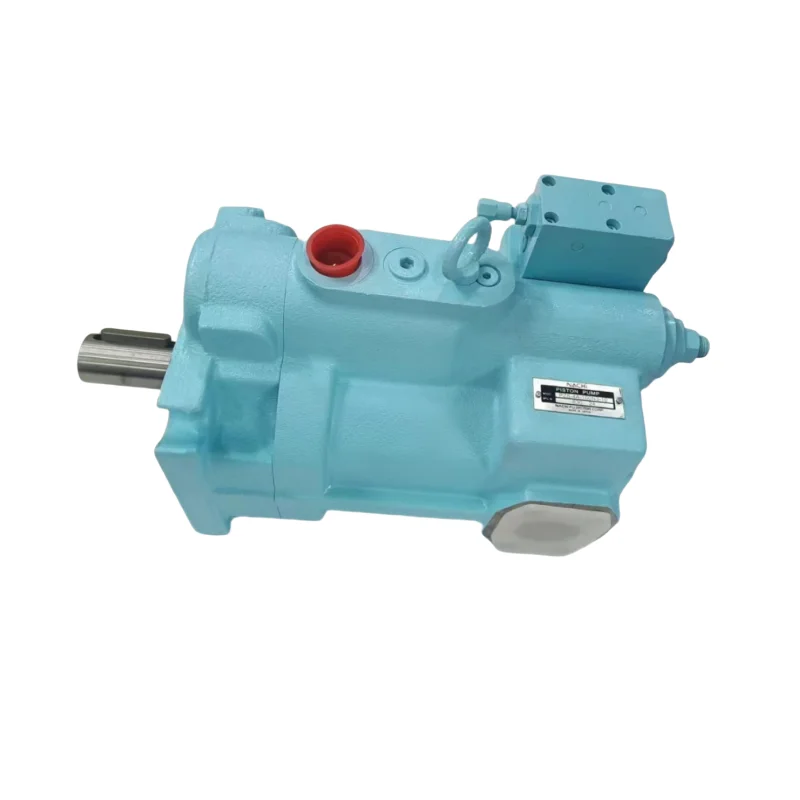
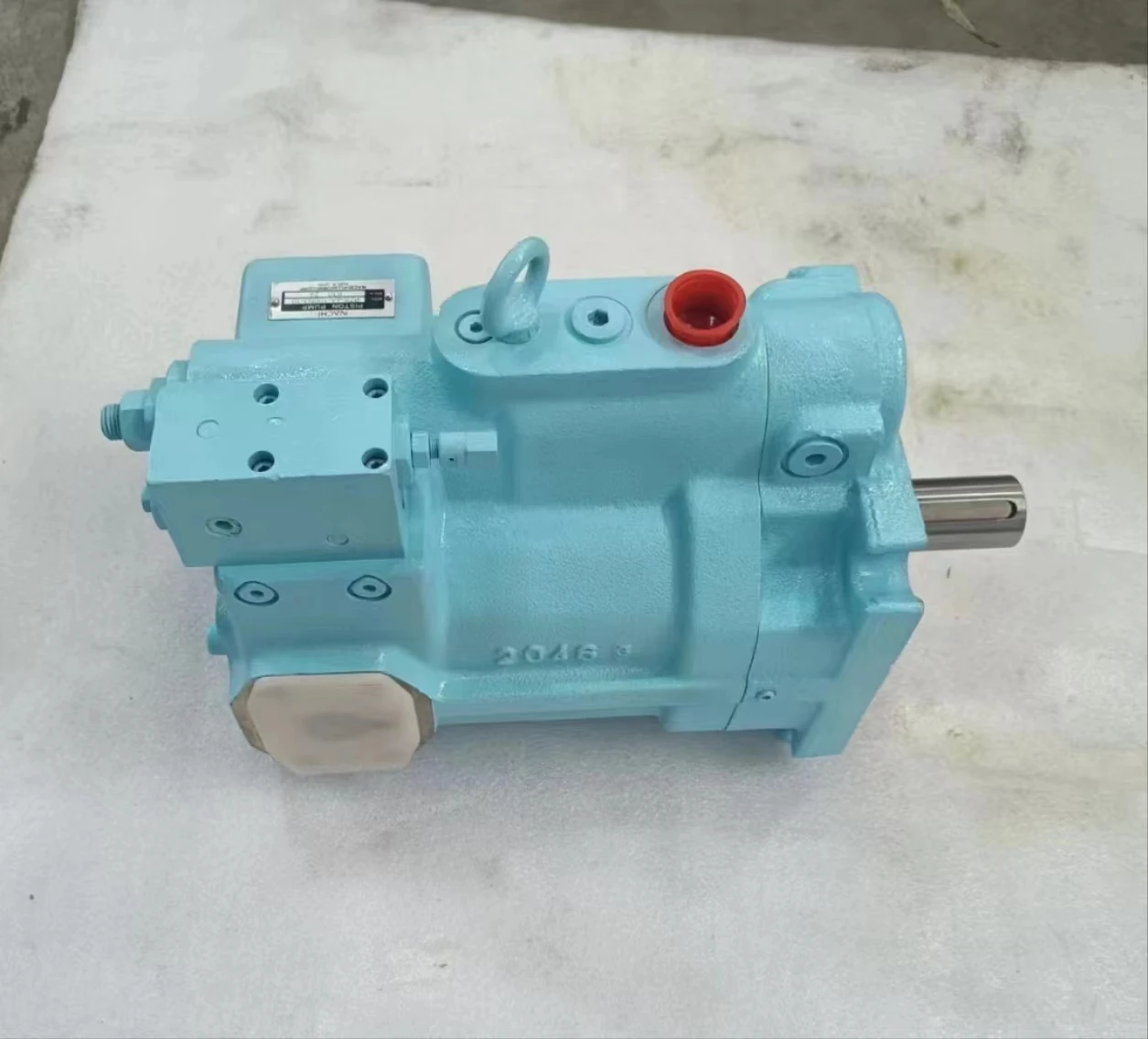
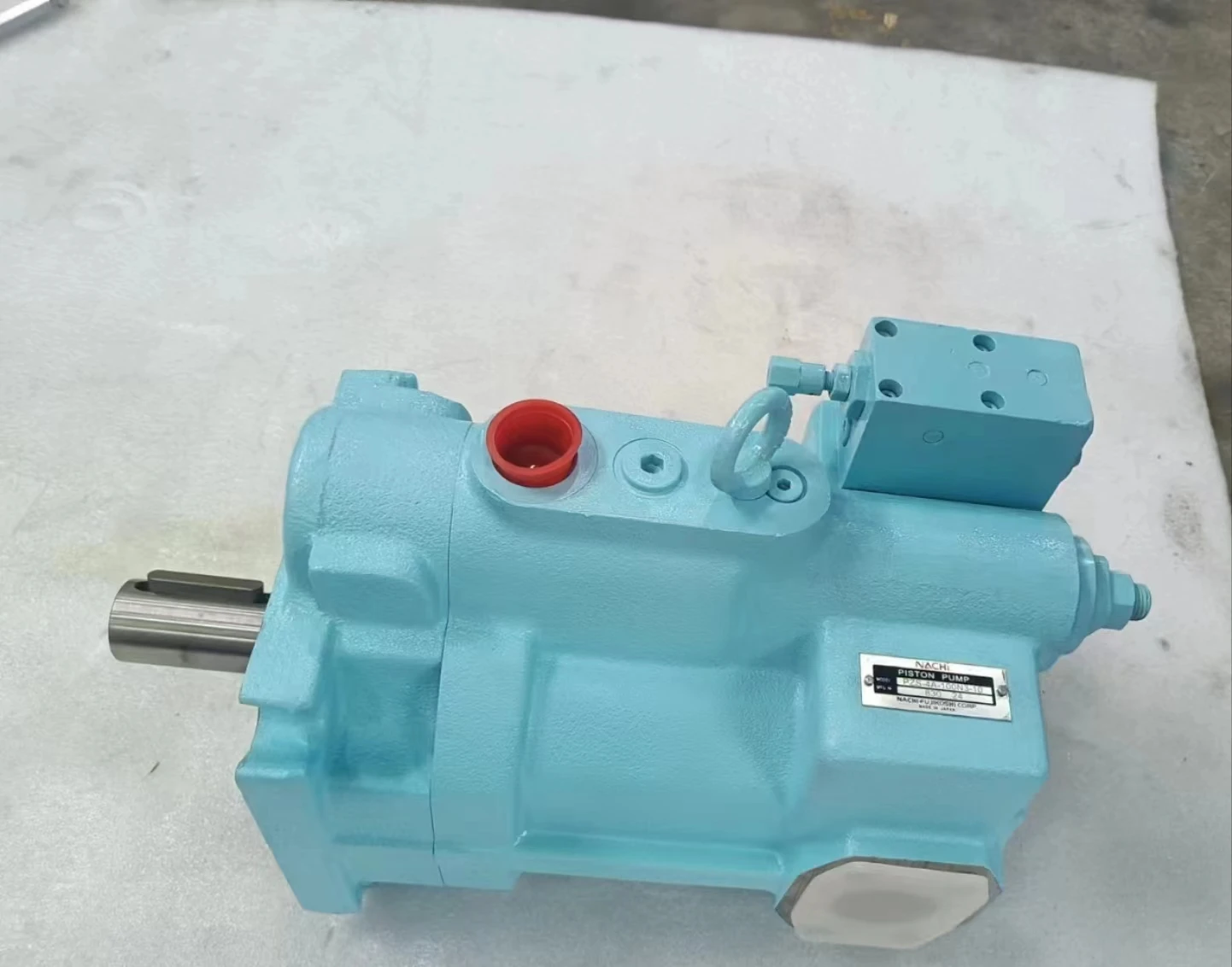
Product Overview
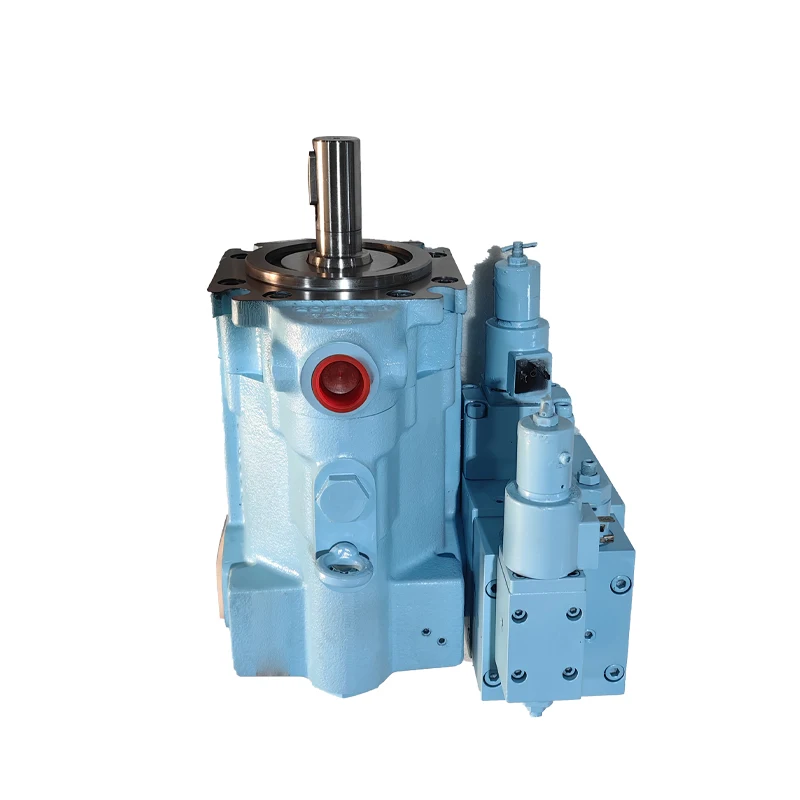
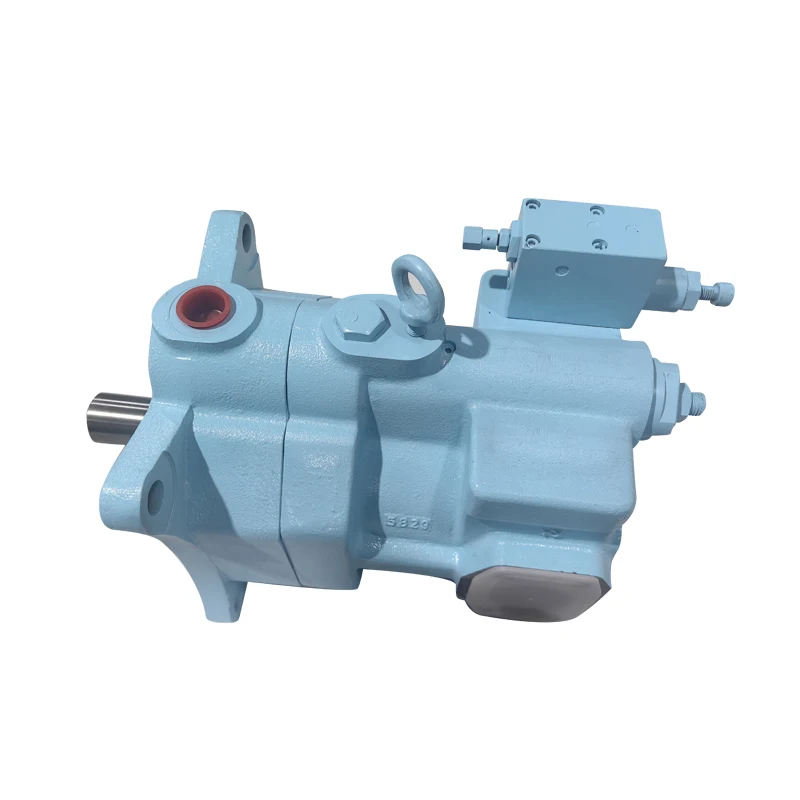
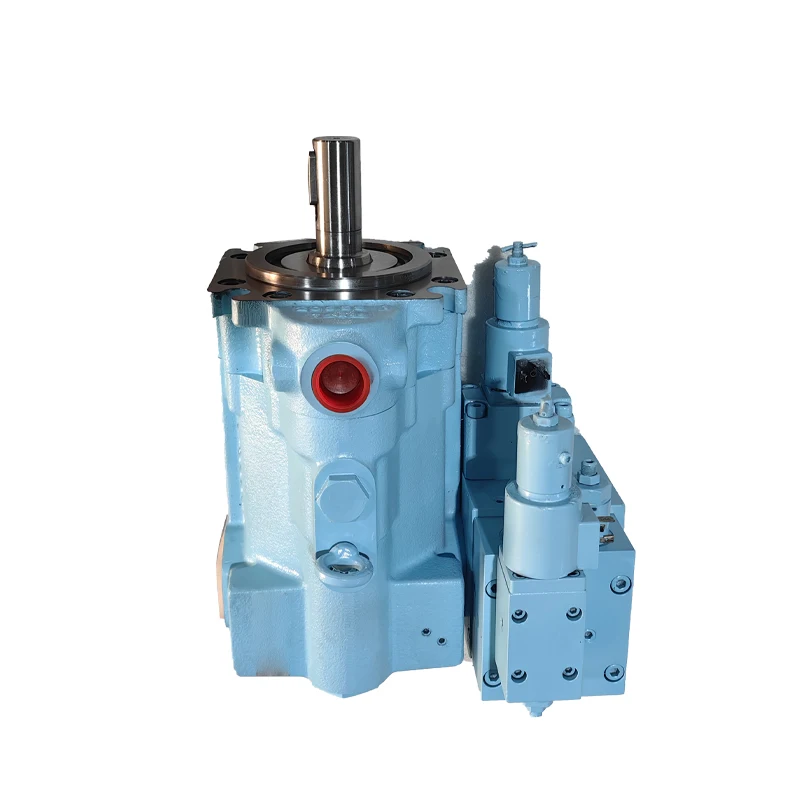
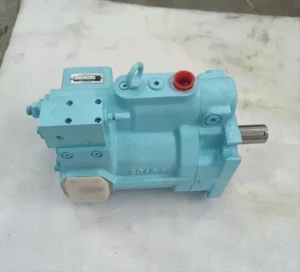
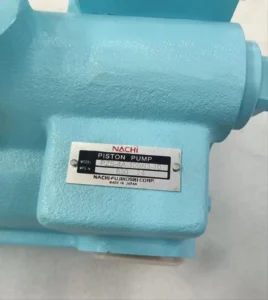
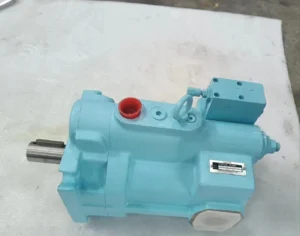
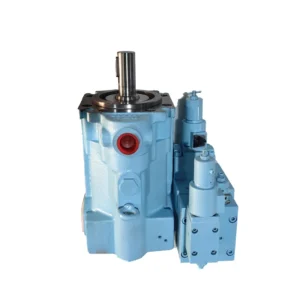
The PZS series swashplate axial piston variable displacement pumps represent a classic product line within the Nachi (Nachi-Fujikoshi) hydraulic transmission platform, featuring the proven semi-cylindrical swash plate design specifically developed for medium-to-high pressure open-circuit hydraulic systems. The series offers multiple sizes including PZS-3A, PZS-4A, PZS-5A, PZS-6A and their B-series counterparts, with displacements ranging from 70 cm³ to 220 cm³.
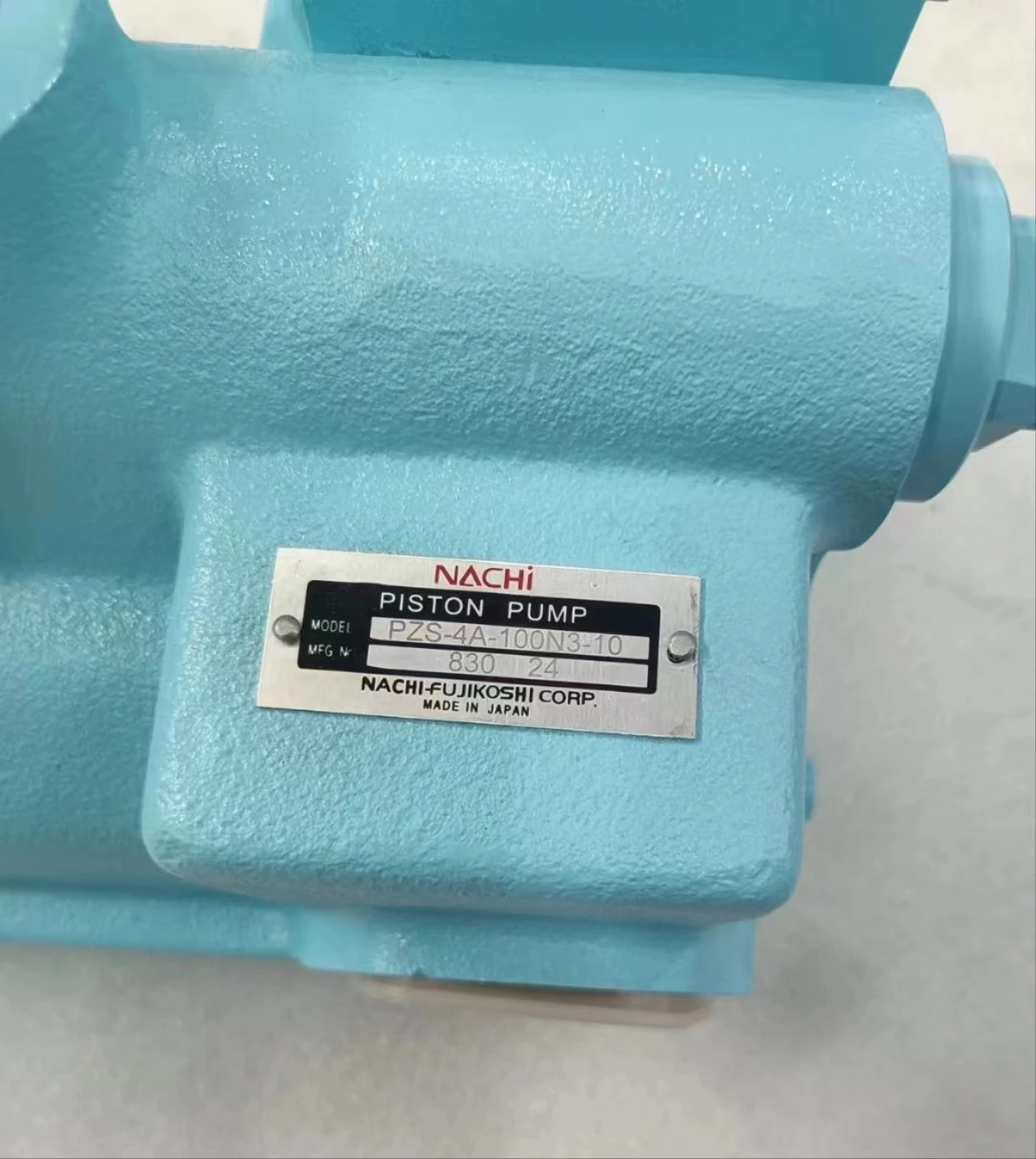
This product covers the PZS-4A-100N3-10 model (along with its series derivatives such as PZS-4A-100N1-10 and PZS-4A-100N4-10) — the mainstream model within the PZS Series 4 pump size, featuring 100 cm³/rev displacement with foot-type mounting and pressure compensation control.
100% Interchangeability Guarantee: Our pumps strictly adhere to Nachi PZS original mounting dimensions and port layouts, enabling drop-in replacement without modifications to existing piping or brackets. Every unit undergoes 100% simulated duty-cycle testing under actual load conditions to validate performance parameters before shipment, ensuring immediate reliability upon installation.
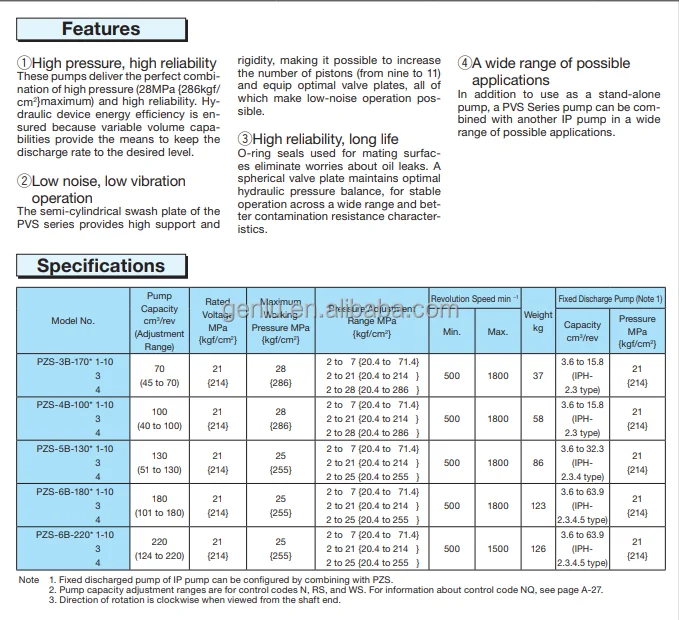
Quality & Manufacturing Standards: The housing is manufactured from high-strength cast iron, with critical tribological pairs (cylinder barrel/valve plate, pistons/slippers) precision-ground and heat-treated. The semi-cylindrical swash plate provides exceptional support rigidity, paired with an 11-piston design (up from the conventional 9 pistons) that significantly reduces operating noise and pressure pulsation. The spherical valve plate maintains optimal hydraulic pressure balance across a wide operating range while offering excellent contamination resistance.
Technical Specifications
PZS-4A-100N3-10 Core Parameters:
Brand Series: Nachi (Nachi-Fujikoshi) PZS Series Variable Volume Piston Pump
Model Code: PZS-4A-100N3-10
Pump Size: 4
Mounting Method: A = Foot Type
Control Mechanism: N = Pressure Compensation Type
Pressure Adjustment Range (N3): 291 – 3,000 psi (High Pressure Range)
Design Number: 10
Displacement: 100 cm³/rev
Displacement Adjustment Range: 40 – 100 cm³/rev
Rated Pressure: 21 MPa (approx. 210 bar)
Maximum Operating Pressure: 28 MPa (approx. 280 bar / 4,085 psi)
Minimum Speed: 500 min⁻¹
Maximum Speed: 1,800 min⁻¹
Pressure Compensation Range (High Pressure Side): 2 – 21 MPa
Weight: 76 kg (167.6 lb)
PZS Series Other Displacement Reference Parameters:
PZS-3A-70N*-10 (70 cm³/rev displacement):
Displacement: 70 cm³/rev
Displacement Adjustment Range: 45 – 70 cm³/rev
Rated Pressure: 21 MPa
Maximum Operating Pressure: 28 MPa
Weight: 50.5 kg (111.4 lb)
PZS-5A-130N*-10 (130 cm³/rev displacement):
Displacement: 130 cm³/rev
Rated Pressure: 21 MPa
Maximum Operating Pressure: 25 MPa
Weight: 118 kg (260.2 lb)
PZS-6A-180N*-10 (180 cm³/rev displacement):
Displacement: 180 cm³/rev
Maximum Operating Pressure: 28 MPa
Weight: 155 kg (341.8 lb)
PZ Series (Load Sensitive Type) Supplementary Information:
The PZ Series consists of load sensitive variable piston pumps, employing the same semi-cylindrical swash plate technology and 11-piston design as the PZS Series. Displacements range from 35 to 220 cm³/rev with a maximum operating pressure of 21 MPa. This series is ideal for applications demanding energy efficiency and optimized load matching. Key models include PZ-2B (35/45 cm³), PZ-3A/PZ-3B (70 cm³), PZ-4A/PZ-4B (100 cm³), PZ-5A/PZ-5B (130 cm³), and PZ-6A/PZ-6B (180/220 cm³).
Key Technical Advantages
1. Semi-Cylindrical Swash Plate with 11-Piston Design — Industry-Leading Low Noise and Low Pulsation
The PZS series incorporates Nachi’s proprietary semi-cylindrical swash plate technology, delivering superior support rigidity and bending strength compared to conventional designs. Building on this foundation, the piston count has been increased from the traditional 9 to 11 pistons. This increase significantly reduces instantaneous flow pulsation amplitude. Combined with an optimized valve plate design, the PZS series achieves exceptional low-noise, low-pulsation operating characteristics among its peers.
2. Spherical Valve Plate — Superior Stability and Contamination Resistance
The PZS series features a spherical valve plate design that maintains optimal hydraulic pressure balance across a wide range of operating conditions. The spherical geometry provides excellent self-centering capability while delivering outstanding contamination tolerance — maintaining stable volumetric efficiency and smooth operation even with moderate variations in fluid cleanliness.
3. O-Ring Sealing — Complete Leakage Elimination
The PZS series employs O-ring seals across all mating surfaces,彻底 eliminating oil seepage issues associated with conventional flat-face seals. This design enhances overall sealing reliability while reducing on-site maintenance frequency and fluid consumption.
4. High Pressure, High Efficiency and Energy Saving
The PZS series delivers a maximum operating pressure of 28 MPa (approx. 280 bar) , meeting the demanding requirements of medium-to-high pressure hydraulic systems. The inherent characteristic of variable pumps — delivering only the flow required by the system — eliminates energy losses caused by overflow in fixed displacement pumps. Combined with optimized internal leakage control, this delivers high volumetric efficiency and significant energy savings.
5. Tandem Pump Stack Capability — Flexible System Integration
The PZS series supports tandem combination with Nachi IPH series internal gear pumps. This design enables multiple hydraulic pumps to be mounted on a single input shaft, providing exceptional layout flexibility for complex hydraulic systems without requiring additional power input interfaces.
Application Areas
The PZS series swashplate axial piston variable pumps are widely deployed in medium-to-high pressure open-circuit hydraulic systems across the following applications:
Machine Tool Hydraulic Systems — hydraulic power units for machining centers, lathes, grinding machines
Injection Molding Machines — hydraulic power sources for clamping and injection systems
Presses and Forming Equipment — hydraulic systems for hydraulic presses, press brakes
Construction Machinery — auxiliary hydraulic systems for excavators, loaders
Agricultural Machinery — hydraulic lift and steering systems for tractors, combine harvesters
Material Handling Equipment — hydraulic systems for forklifts, stackers
Metallurgical Equipment — mill hydraulic systems, coilers
Marine and Port Machinery — deck machinery, hatch cover hydraulic systems
Expert Maintenance Tips
1. Installation and Alignment Requirements (Critical Step)
PZS series pumps should be installed horizontally (pump shaft oriented horizontally). Flexible couplings must be used to connect the pump shaft to the drive shaft to prevent radial or axial loads from being transmitted to the pump shaft. Concentricity deviation between the drive shaft and pump shaft must not exceed 0.05 mm, with angular deviation controlled within 1°. The coupling engagement length with the pump shaft must be at least 2/3 of the coupling width. The pump mounting base must provide sufficient rigidity.
2. Suction Conditions and Housing Priming
Suction side pressure must be maintained above -0.03 MPa (-4.35 psi) , with suction port flow velocity kept below 2 m/sec. Before initial start-up or after extended downtime, the housing must always be filled with hydraulic fluid. Pre-fill through case drain ports prior to start-up to prevent dry-running damage to critical tribological pairs.
3. Case Drain Line Routing
The drain line must be routed above the highest point of the pump body, with the return end submerged below the hydraulic fluid surface. Case back pressure must be strictly limited to 0.1 MPa (14.5 psi) or less. Excessive case back pressure will directly cause shaft seal damage and reduced volumetric efficiency.
4. Filtration and Fluid Cleanliness
Axial piston pumps are highly sensitive to fluid cleanliness. Recommended filtration per ISO 4406 cleanliness level of 19/17/14 or better. Return line and suction filters should be inspected and replaced regularly.
5. Initial Start-Up and Break-In
For first-time operation, run the pump at low speed (idle) with no load for 5–10 minutes to purge air from the system and allow proper oil film establishment on all tribological pairs before gradually applying load.
6. Piping Noise Reduction Recommendations
To minimize noise and vibration, rubber hoses are recommended for both suction and discharge lines. A check valve should be installed on the discharge side to prevent reverse rotation and pump damage from system oil backflow when the pump is stopped.